

Bulging Disc vs. Herniated Disc: What’s the Real Difference?

If you’ve been told you have a bulging disc or a herniated disc, understanding the difference can help you better interpret your diagnosis and imaging results. Although both conditions affect the spinal discs and can cause similar symptoms, they describe different changes within the disc.
A bulging disc occurs when a spinal disc extends beyond its normal boundary, but the disc’s outer layer remains intact. A herniated disc happens when the disc’s outer layer tears, allowing the soft, gel-like inner material to push through the tear. While both conditions can cause back pain, neck pain, or nerve-related symptoms, understanding the difference can help you better understand your MRI findings and have more informed conversations with your healthcare provider.
Whether symptoms developed gradually or after a car accident, workplace injury, fall, or heavy lift, understanding what’s happening inside your spine is an important first step.
At a Glance
- A bulging disc occurs when the disc extends outward, but its outer layer remains intact.
- A herniated disc develops when the outer layer tears and the soft center pushes through.
- Both conditions may cause back pain, neck pain, numbness, tingling, weakness, or sciatica.
- Some people have no symptoms, while others experience pain that interferes with daily activities.
- MRI is typically the preferred imaging test for evaluating spinal discs.
- Many disc injuries can improve with conservative treatment, although care depends on each person’s symptoms and overall health.
What Is the Difference Between a Bulging Disc and a Herniated Disc?
The key difference is whether the disc’s outer layer remains intact.
A bulging disc occurs when the disc gradually extends beyond its normal boundaries, usually because of age-related wear or repetitive stress. Although the disc changes shape, the tough outer layer continues to hold everything together.
A herniated disc, on the other hand, develops when that outer layer tears. Once this happens, the soft, gel-like center of the disc can push through the tear and irritate nearby nerves.
Think of a spinal disc as a cushion between the bones of the spine that helps absorb shock during everyday movements such as walking, bending, twisting, and lifting. When the disc bulges, it may continue functioning normally. If the outer layer tears, however, the exposed inner material is more likely to irritate nearby nerves and trigger inflammation.
Although these conditions are different, they can cause many of the same symptoms. That’s why healthcare providers consider your symptoms, physical examination, and imaging results together rather than relying on an MRI alone.
Bulging Disc vs. Herniated Disc
| Feature | Bulging Disc | Herniated Disc |
| Outer layer | Remains intact | Develops a tear |
| Inner material | Stays contained | Pushes through the tear |
| Common cause | Aging, repetitive stress | Degeneration or sudden injury |
| Pain | May cause no symptoms or mild pain | More likely to cause nerve pain |
| MRI findings | Broad disc bulge | Focal protrusion or extrusion |
| Can it happen after an accident? | Yes | Yes |
Although these structural differences are important, they don’t always determine how severe someone’s symptoms will be. That’s why a healthcare provider considers both imaging findings and your symptoms when making a diagnosis.
Why Does a Herniated Disc Usually Hurt More?
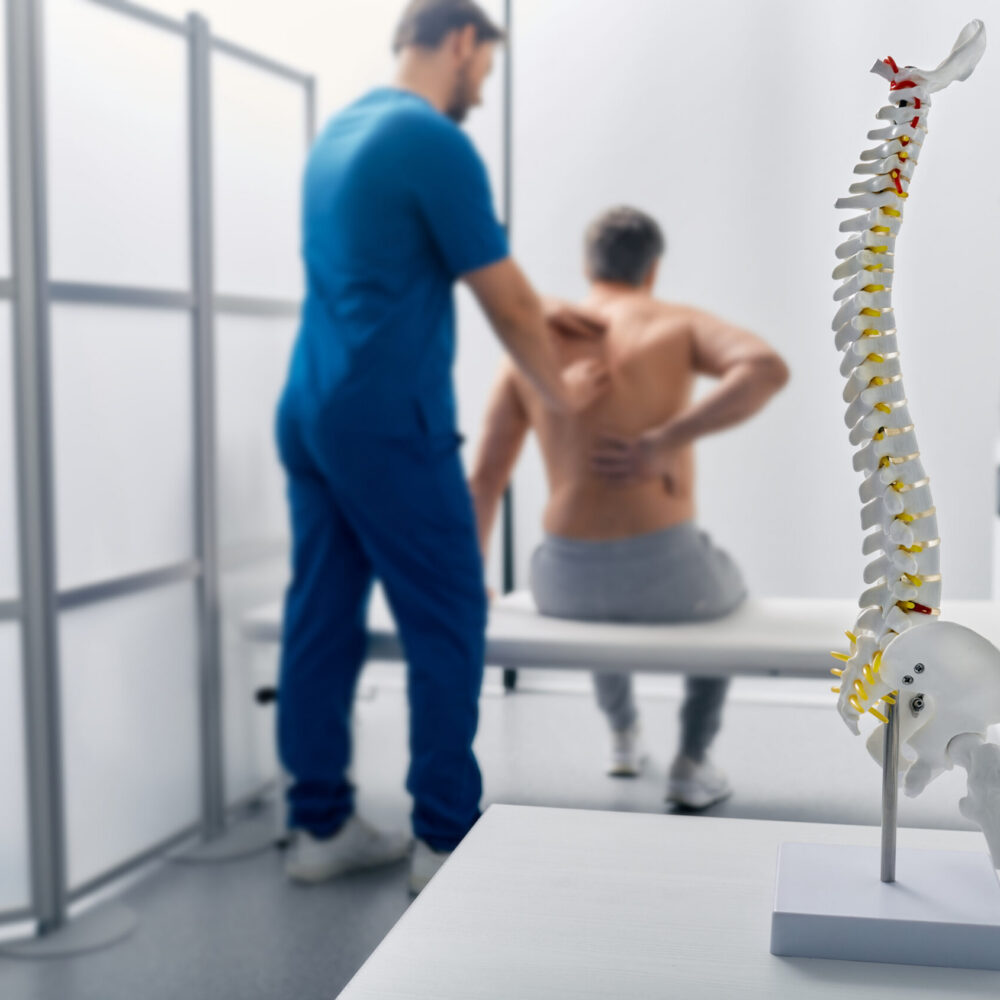
A herniated disc can be more painful than a bulging disc because it can affect nearby nerves in two ways. The herniated material may place pressure on a nearby spinal nerve, causing symptoms such as pain, numbness, tingling, or weakness. In addition, when the soft inner material pushes through the tear, it can trigger inflammation around the nerve, which may contribute to sharp pain.
A bulging disc is more likely to cause symptoms only when it presses on a nearby nerve. However, pain varies from person to person, so either condition can range from mild to severe depending on the location of the injury and the amount of nerve involvement.
Can a Bulging Disc Become a Herniated Disc?
Yes—but it doesn’t always happen.
In many cases, a bulging disc remains stable for years without progressing. However, if the outer layer of the disc continues to weaken, it can eventually tear, allowing the inner material to push outward and become a herniated disc.
Common Causes
These factors may increase stress on the spinal discs over time or contribute to disc degeneration, making a bulging disc or herniated disc more likely.
- Natural aging and disc degeneration
- Repetitive bending, twisting, or lifting
- Car accidents, work-related accidents, and slip-and-fall injuries
- Heavy lifting or sudden strain on the spine
Not every bulging disc becomes a herniated disc, and not every herniated disc requires surgery. Many people improve with conservative care, and treatment recommendations are based on symptoms, physical examination findings, and imaging results.
Bulging Disc vs. Herniated Disc: Which Is More Serious?
Neither condition is automatically more serious than the other. A bulging disc may cause few or no symptoms, while a herniated disc is more likely to irritate nearby nerves because the inner disc material extends beyond the outer layer. Ultimately, the severity depends on factors such as the location of the injury, the degree of nerve involvement, and how much the symptoms affect your daily activities—not simply the diagnosis itself.
Common Symptoms of a Bulging Disc or Herniated Disc
Both conditions can cause similar symptoms, although some people have no symptoms at all. Symptoms often depend on where the injured disc is located and whether it is irritating a nearby nerve.
Common symptoms include:
- Back or neck pain
- Pain that radiates into an arm or leg
- Numbness or tingling
- Muscle weakness
- Reduced range of motion
- Sciatica, or pain that travels down the leg
If the injured disc is in the cervical spine (neck), symptoms may spread into the shoulders, arms, or hands. A disc injury in the lumbar spine (lower back) is more likely to cause pain, numbness, tingling, or weakness that radiates into the hips, buttocks, legs, or feet.
If symptoms develop after a car accident, workplace injury, or fall, they may not appear immediately. In some cases, inflammation becomes more noticeable over the following hours or days. If pain persists or worsens after an injury, a medical evaluation can help determine the cause.
How Are Bulging and Herniated Discs Diagnosed?
Diagnosing a bulging or herniated disc typically begins with a medical history, physical examination, and, when appropriate, imaging such as an MRI. During the appointment, a healthcare provider may evaluate your strength, reflexes, range of motion, sensation, and signs of nerve irritation to better understand what’s causing your pain.
MRI vs. X-Ray
| MRI | X-ray |
| Shows discs and nerves | Shows bones |
| Detects bulging and herniated discs | Cannot directly show disc injuries |
Because spinal discs are soft tissues, MRI is generally the preferred imaging test when evaluating a suspected bulging or herniated disc. X-rays remain useful for identifying fractures or changes in spinal alignment but cannot directly visualize spinal discs.
Treatment Options
Conservative treatment is often the first approach for managing symptoms associated with bulging and herniated discs. Your healthcare provider will recommend a plan based on your pain, physical examination findings, and imaging results.
Treatment options may include:
- Activity modification
- Physical therapy
- Epidural steroid injections
- Interventional pain management procedures
While surgery may be appropriate for some people, it is not the first treatment for most bulging or herniated discs. Surgery is generally considered only after a thorough evaluation and when conservative treatments have not provided adequate relief or significant nerve involvement is present.

Frequently Asked Questions
Can a bulging disc become a herniated disc?
Yes. A bulging disc can progress to a herniated disc if the outer layer weakens and tears. However, many bulging discs remain stable and do not develop into a herniation.
Can you have a bulging disc without pain?
Yes. Some people have a bulging disc without experiencing any pain or other noticeable signs. In some cases, a bulging disc is discovered during an MRI performed for another reason. Problems are more likely if the disc irritates or compresses a nearby spinal nerve.
Can a bulging disc heal on its own?
Many bulging discs improve over time, especially when discomfort is mild. Recovery depends on the cause of the disc injury, your overall health, and how your condition responds to treatment. A healthcare provider will recommend the most appropriate approach based on your individual needs.
How long does it take for a bulging or herniated disc to improve?
Recovery varies from person to person and depends on the severity of the injury, your overall health, and the treatment plan. Some people improve with conservative care, while others may require additional evaluation if pain or other concerns persist.
Can exercise make a bulging or herniated disc worse?
Yes. Some activities, particularly heavy lifting, repetitive bending, or high-impact exercise, can temporarily increase pain or discomfort. However, appropriate movement and physical therapy may help improve strength and flexibility. Before starting or changing an exercise program, discuss what’s appropriate for your condition with a healthcare provider or physical therapist.
Can a car accident cause a herniated disc?
Yes. The force generated during a motor vehicle collision may contribute to a herniated disc or worsen an existing disc injury. Pain or other signs of injury may appear immediately or become noticeable hours or days after the accident.
Concerned About Back or Neck Pain?
Learning the difference between a bulging disc and a herniated disc can help you better understand your pain and make informed decisions about your care. If back pain, neck pain, numbness, tingling, or weakness is affecting your daily activities—or if your symptoms developed after a car accident, workplace injury, or fall—a comprehensive evaluation can help determine the underlying cause.
Pain & Injury connects patients throughout New York, New Jersey, and Connecticut with experienced physicians specializing in spine and musculoskeletal injuries. Call 800-949-6100 or request an appointment online to learn more about available treatment and evaluation options.