
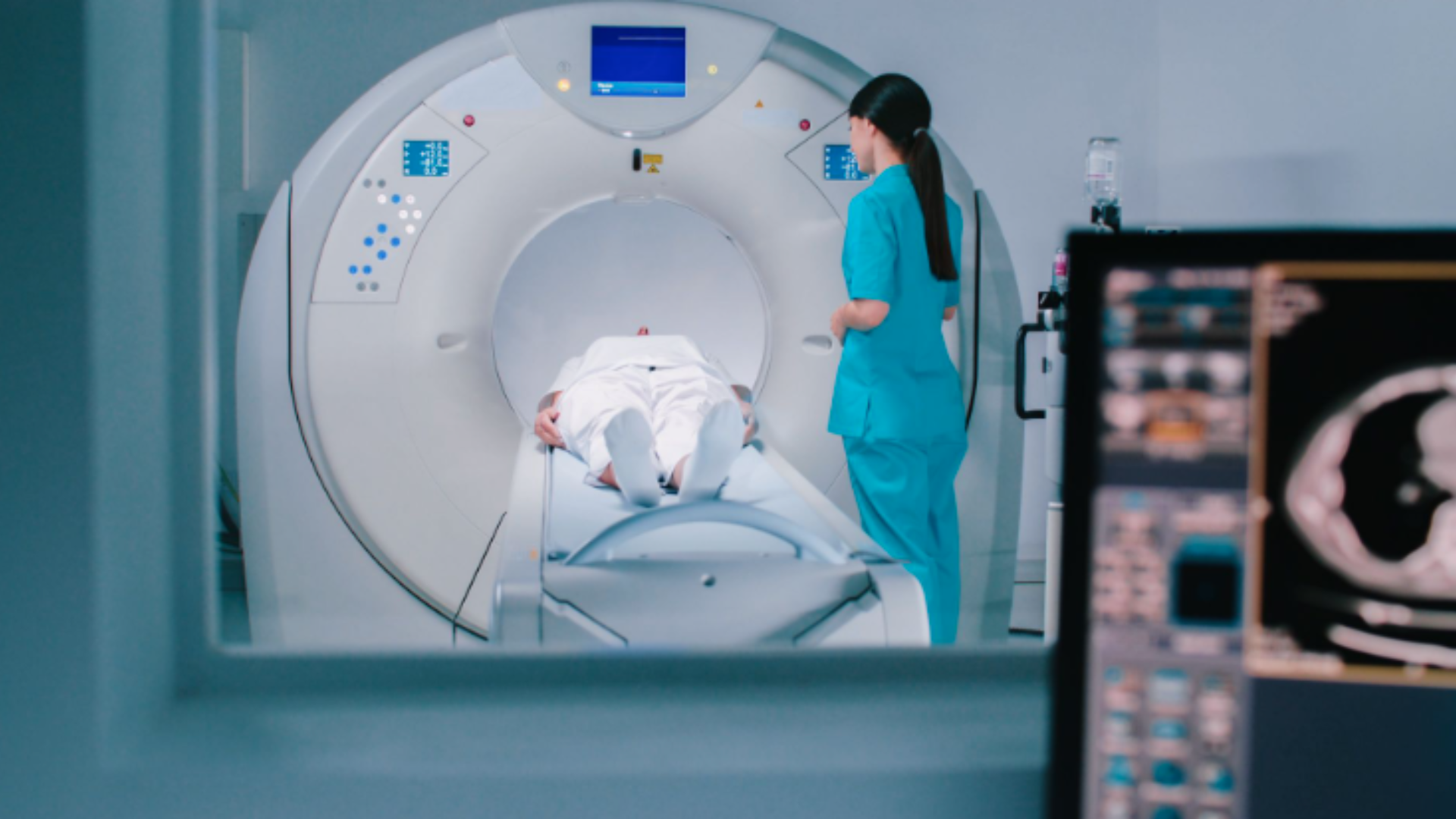
What to Know Before an MRI for Injuries
MRI Prep, Clothing, Piercings, and Comfort Tips for Injury Imaging
MRI scans can feel unfamiliar, especially if it’s your first time having one done after an injury. Many patients have questions about clothing, piercings, claustrophobia, noise, scan time, and what happens during the appointment.
MRI (Magnetic Resonance Imaging) uses magnets and radio waves to create detailed images of joints, muscles, ligaments, tendons, and spinal structures. Providers may recommend MRI when symptoms or injuries need more detail than an X-ray can provide.
Quick MRI Facts
| MRI Question | Quick Answer |
| Does MRI use radiation? | No. MRI uses magnets and radio waves. |
| How long does an MRI take? | Many scans take about 15–45 minutes. |
| Is MRI loud? | Yes. MRI machines make tapping or knocking sounds. |
| Do piercings need to come out? | Usually yes, depending on the piercing and scan type. |
| Can you wear leggings to MRI? | Some athletic wear may contain metallic fibers. |
| What if you feel claustrophobic? | Some centers offer open MRI or comfort options. |
Why Might Someone Need an MRI After an Injury?
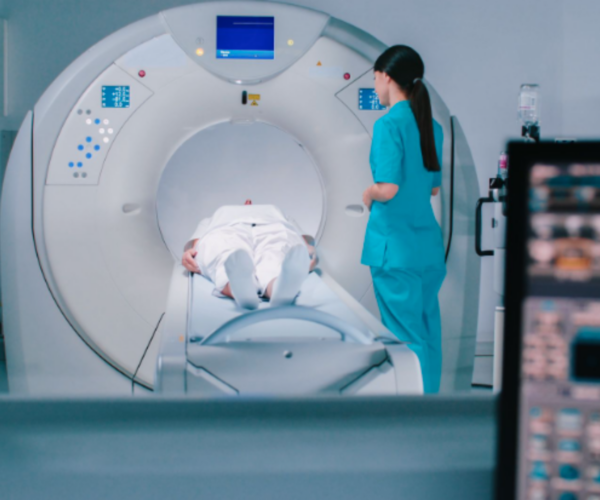
MRI scans may help providers evaluate injuries involving:
- Ligaments and tendons
- muscles and soft tissue
- Herniated or injured Spinal discs
- Joint injuries involving the shoulder, knee, hip, or ankle
- Cartilage damage or inflammation
Providers sometimes order MRI imaging when pain, swelling, numbness, weakness, or reduced mobility continue after an injury.
What Should You Wear to an MRI?
Many imaging centers recommend loose, comfortable clothing for MRI appointments. Soft cotton clothing, sweatpants, and clothing without tight seams may help patients stay more comfortable during the scan.
Some athletic clothing brands may contain hidden metallic fibers or antimicrobial materials. Patients who are unsure about leggings, compression wear, sports bras, or athletic clothing may want to ask the imaging center before the appointment.
What Metal Items Should Stay Out of an MRI Room?
MRI machines use powerful magnets, so patients are usually asked to remove metal items before imaging. Metal objects may interfere with image quality or create safety concerns during the scan.
Items patients are commonly asked to remove may include:
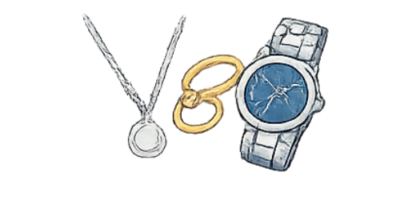
Jewelry and watches
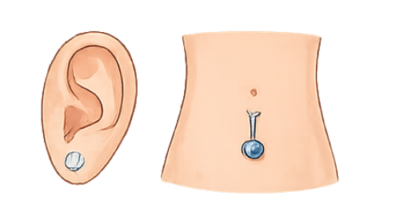
Earrings and body piercings
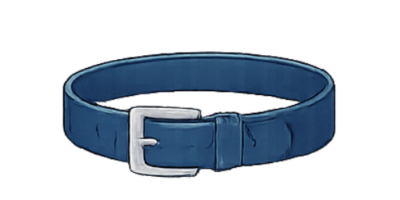
Belts with metal buckles
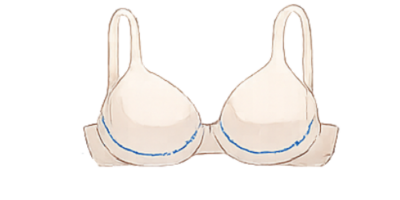
Underwire bras

Phones, keys, or wallets
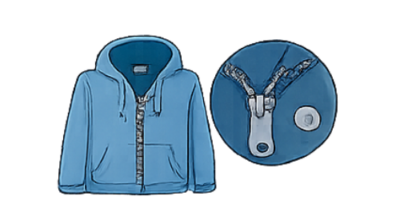
Clothing with zippers, snaps, or metallic fibers
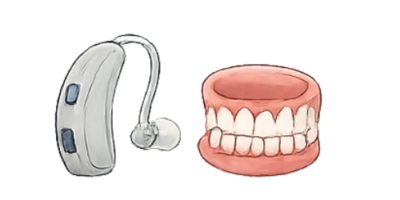
Hearing aids or removable dental devices
Patients should also tell the imaging center about:
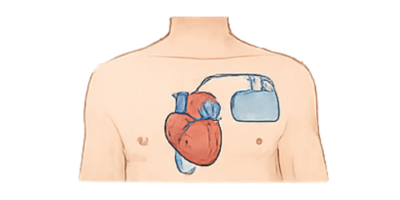
Pacemakers or stimulators
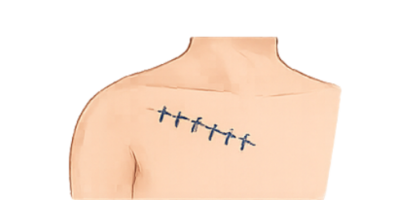
Surgical clips or implanted devices
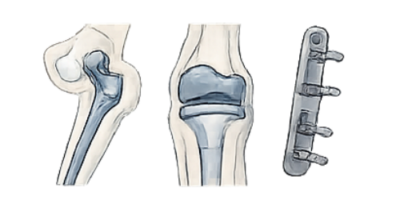
Artificial joints or metal hardware
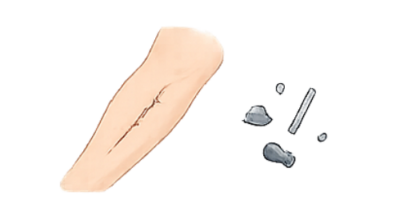
Metal fragments from prior injuries or work accidents
MRI staff usually review safety screening questions before the scan begins.
Can You Wear Leggings or Athletic Clothing During an MRI?
Some leggings, compression wear, sports bras, and athletic clothing may contain metallic threads or antimicrobial materials that are not ideal for MRI.
Patients are often safest wearing:
- Cotton shirts
- Sweatpants without zippers
- Clothing without metal snaps or buttons
- Loose-fitting clothing without metallic fibers
Do Piercings Need to Come Out for MRI?
Jewelry and removable piercings are usually removed before MRI scans. This may include earrings, belly button piercings, nose rings, necklaces, watches, and hair accessories.
Patients should tell the imaging staff about:
- Piercings that cannot be removed
- Surgical hardware or implants
- Pacemakers or stimulators
- Metal fragments or prior surgeries
MRI staff typically review safety screening questions before the scan begins.
Can You Get an MRI With Tattoos?
Many people with tattoos can still have MRI scans. However, some tattoo pigments or permanent makeup products may contain metallic particles that could cause warmth or irritation during imaging.
Patients should let the imaging center know about large tattoos or permanent cosmetics before the scan.
What Happens During an MRI Scan?
During MRI, patients usually lie on a padded table that moves into the scanner. The machine makes loud tapping sounds while images are being captured.

Patients may receive:
- Earplugs or headphones
- Positioning cushions
- Instructions to remain still during imaging
Is MRI Loud?
Yes. MRI machines commonly make knocking, tapping, or buzzing sounds during imaging. Many imaging centers provide headphones or earplugs to help reduce noise during the scan.
Some facilities may also offer music or calming audio during imaging appointments.
What If You Feel Claustrophobic During MRI?
Many people feel nervous before an MRI, especially if they do not like enclosed spaces. Patients who feel claustrophobic should tell the provider or imaging center before the appointment.
Depending on the facility, options may include:
- Open MRI machines
- Wide-bore MRI systems
- Music or headphones
- Additional positioning support
- Provider-directed medication recommendations
What Can Affect MRI Image Quality?
Movement during imaging, metallic items, or improper positioning may affect MRI image quality and sometimes lead to repeat imaging.
Patients are usually asked to remain as still as possible while images are being captured.
Modern imaging centers also use advanced digital imaging systems designed to support image clarity, image sharing, and provider communication.
Looking for MRI Imaging or Injury Evaluation?
PainandInjury.com helps connect patients throughout New York, New Jersey, and Connecticut with providers offering injury evaluations, orthopedic care, diagnostic imaging, rehabilitation services, pain management, and physical therapy.
Whether you were hurt in a car accident, slip and fall, or workplace injury, our goal is to help you access qualified providers for evaluation and care.
To learn more about MRI imaging or injury evaluation options, call 800-949-6100 or request an appointment online.
Frequently Asked Questions About MRI for Injuries
What should I avoid wearing to an MRI?
Patients are usually asked to avoid clothing with metal, zippers, underwire, metallic fibers, or removable jewelry.
Can I wear Lululemon or athletic leggings during MRI?
Some athletic wear may contain metallic fibers or antimicrobial materials. Patients may want to ask the imaging center about clothing recommendations before the scan.
Will an MRI hurt?
MRI scans are generally painless, although some patients may feel uncomfortable remaining still for part of the exam.
What happens if I move during an MRI?
Movement may affect image quality and could require additional imaging sequences.
Can I listen to music during an MRI?
Some imaging centers provide headphones, music, or calming audio during MRI appointments.
How long does an MRI usually take?
Many MRI scans take approximately 15–45 minutes depending on the body area being evaluated.
Can MRI show injuries that X-rays miss?
MRI may provide additional detail involving muscles, ligaments, tendons, cartilage, joints, and spinal structures that may not appear clearly on X-rays.
What if I panic during MRI?
Patients who feel anxious or claustrophobic should tell the imaging center before the appointment. Some facilities may offer open MRI or comfort-related options.
This blog from Pain and Injury is intended for educational purposes only. It is not a substitute for professional medical advice, diagnosis, or treatment. Patient recovery is not guaranteed, and each patient’s results may vary. Always consult a qualified healthcare professional for a personalized care plan.