
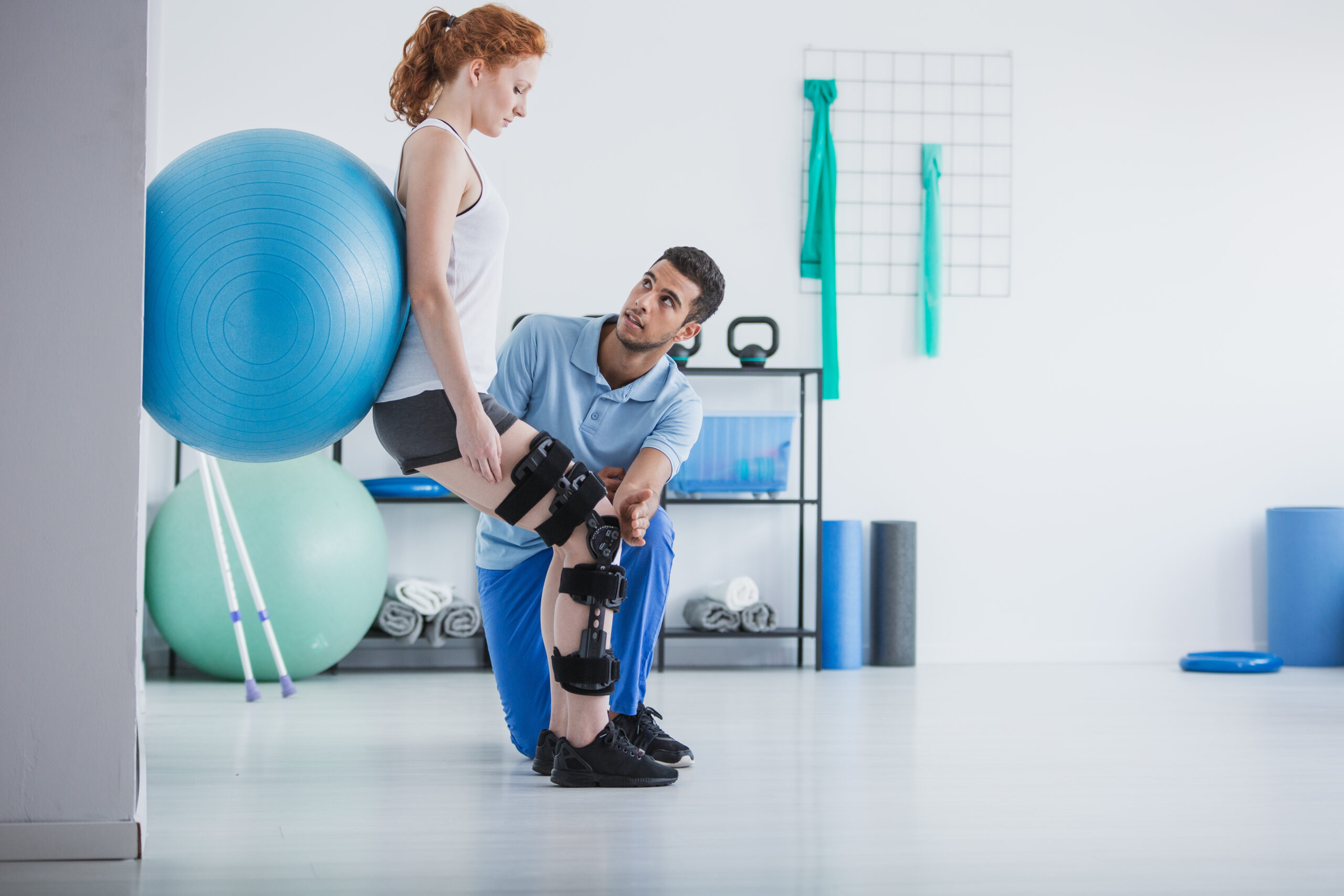
Post-Operative Rehabilitation
In simplest terms, Post-Operative Rehabilitation—or rehabilitation after surgery—is a structured plan developed by a physician or clinical care team to guide patients through recovery after a surgical procedure. When it comes to bones, joints, and muscle repair, Physical Medicine and Rehabilitation (PM&R) plays a vital role during the post-operative phase. It focuses on restoring mobility, strength, and overall function. As a result, PM&R helps patients transition safely from surgery back to everyday activities.
At MSR Injury Doctors, we connect individuals recovering from surgery with experienced doctors and physical therapy teams across New York, New Jersey, and Connecticut. Additionally, the providers in our network focus on guided, team-based care to support post-surgical rehabilitation and promote safe recovery progress.
Why Post-Operative Care Is Important
Surgery can place stress on muscles, joints, and tissues. As a result, without proper post-operative care, patients may experience stiffness, weakness, or difficulty returning to normal activities.
Post-operative care is important because it provides:
- Guided therapy and organized care after surgery
- Education on safe movement and exercise routines
- Gradual improvement with physical therapy after surgery based on individual needs
- Ongoing attention to mobility, balance, and overall function
Overall, knowing what to expect after surgery can help patients stay motivated, informed, and confident throughout the recovery process.

What Are the Phases of Post-Operative Care?
Post-operative care and management typically happens in several phases:
- Immediate Care – right after surgery, attention is placed on comfort, monitoring, and safe movement.
- Early Rehabilitation – may involve gentle exercises, mobility support, and wound care.
- Strength & Mobility – post-operative therapy can include activities that focus on movement and controlled exercise. Following this stage, patients may begin physical therapy after surgery so that they can rebuild endurance and flexibility.
- Return to Function – advanced post-operative physical therapy may address skills needed for daily activities, work, or sports.
How long is post-surgery recovery? The length of time varies — it depends on the type of surgery, individual progress, and overall health.
Role of a Rehabilitation Physician
A PM&R physician (physiatrist) can oversee post-operative care and management, working closely with physical therapists to guide recovery.
Their role includes:
- Evaluating recovery progress
- Creating safe exercise and therapy plans
- Working with the surgeon to create a care plan based on your needs and mobility goals
- Supporting a safe return to activity
Furthermore, a key goal for many patients is understanding how long it takes to regain strength after surgery, which varies based on procedure type and consistency with therapy.
Who Can Benefit?
Rehabilitation after surgery is relevant for people of all ages and walks of life including athletes, workers, and individuals who have undergone surgery due to an injury. Patients searching for post-operative care near me may find options that emphasize coordination, guided therapy, and support for mobility and daily activities.




Frequently Asked Questions About Post-Operative Rehab
The length varies depending on the surgery performed and the individual’s post-op needs. Generally, some patients may participate for a few weeks; on the other hand, others may continue longer.
Care may be directed by a physiatrist (PM&R physician), licensed physical therapist, or other specialists, often working as part of a team.
In some cases, some exercises and activities may be performed at home if recommended by a provider. However, many patients also attend clinic-based sessions for additional guidance.
Overall, recovery time depends on the surgery and how your body responds to therapy. For example, some people may regain strength within weeks, whereas others continue rehabilitation after surgery for several months to achieve full function.