

Comprehensive Sports Medicine Care: For Athletes and Non-Athletes
Sports Medicine is a medical specialty focused on diagnosing, treating, and preventing injuries that affect muscles, bones, joints, and movement. While often associated with athletes, Sports Medicine is just as valuable for non-athletes experiencing pain from daily activities, workplace strain, or chronic conditions.
What Sports Medicine Doctors Do
A sports medicine doctor specializes in diagnosing and managing injuries and conditions that affect mobility. They can help identify problems such as sprains, tendonitis, arthritis, and concussions. Beyond treatment, these physicians often create personalized plans that focus on prevention, performance, and musculoskeletal health.
What sports medicine doctors do also extends beyond medical care — they educate patients, guide safe return to activity, oversee rehabilitation, and coordinate with physical therapists, athletic trainers, and other healthcare specialists to ensure well-rounded support.
Who Do Sports Medicine Physicians Treat?
Sports medicine isn’t just for athletes. These specialists work with a wide range of individuals experiencing pain or movement challenges that affect the bones, joints, muscles, tendons, or ligaments.
They can treat:
- Students and active adults with sports- or activity-related injuries
- Professional athletes and teams needing performance or injury support
- Individuals experiencing pain from accidents, workplace injuries, or surgery
- Older adults managing joint pain, muscle strain, or limited movement
- Anyone seeking guidance on safe exercise, strength, or overall movement
Whether the cause is an accident, repetitive strain, or a chronic condition, sports medicine physicians focus on addressing pain, mobility, and overall function.
Common Sports Injuries
Sports-related conditions are often grouped into two main categories: acute injuries and overuse injuries.
- Acute injuries are sudden, often caused by a fall, collision, or quick movement. Sprains, strains, and fractures are common examples.
- Overuse injuries build up over time, usually from repetitive activity that puts repeated stress on muscles, tendons, or joints.
Recognizing whether an injury is sudden or progressive can guide important decisions, including when to rest, when to adjust activity, and when professional evaluation may be necessary.
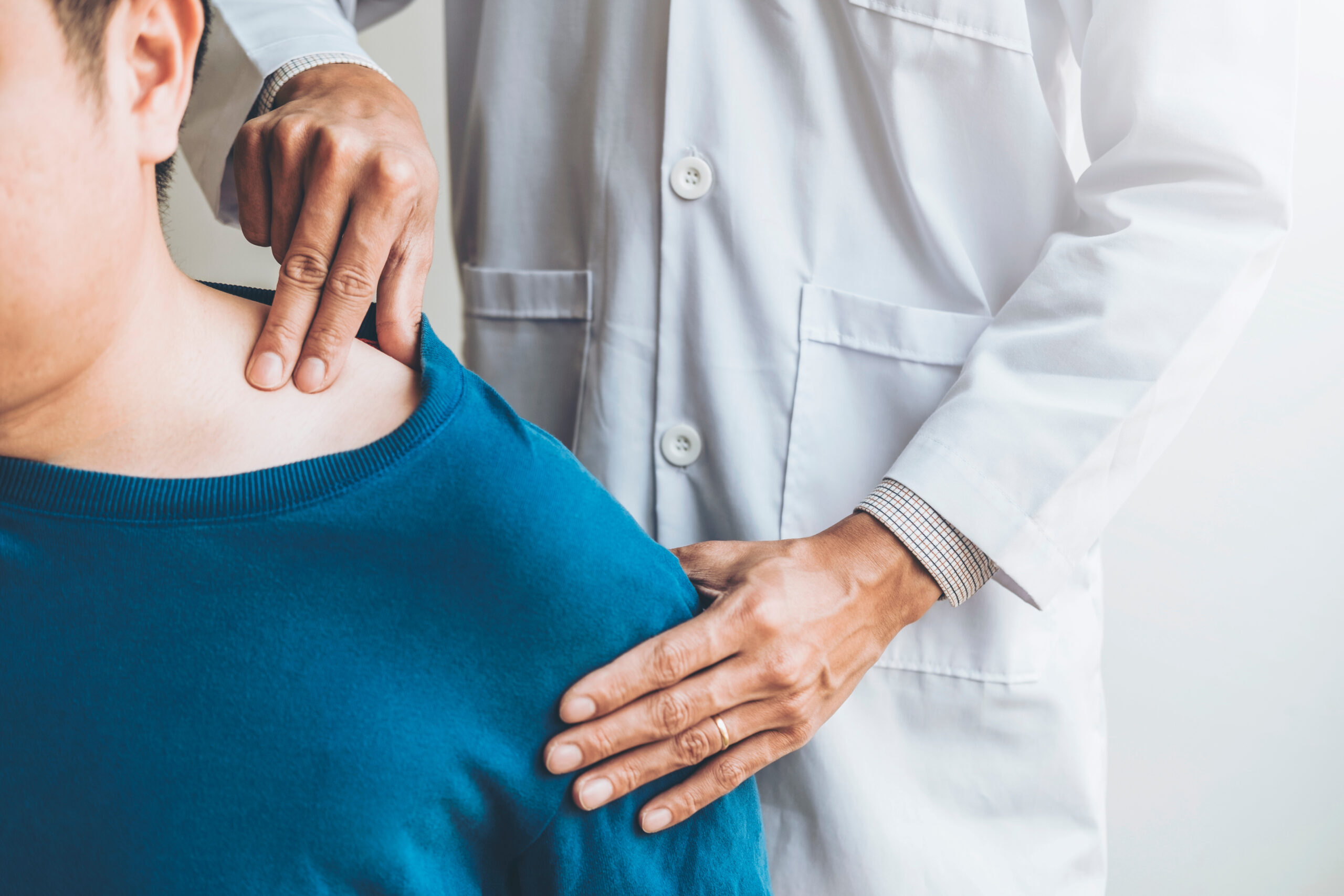
Common Treatments
Some of the common sports medicine treatments include:
- Physical therapy and guided exercise programs to help rebuild strength and improve mobility
- Fracture care for broken bones and post-injury stabilization
- Ultrasound-guided joint injections for precise pain relief
- Platelet-Rich Plasma (PRP) therapy and regenerative treatments to promote natural healing
Each treatment plan is tailored to the patient’s individual needs—making sports medicine effective for both sudden injuries and long-term conditions.
Arthroscopy in Sports Medicine
In addition to non-surgical treatments, some patients benefit from minimally invasive procedures such as arthroscopy. Arthroscopy is often used in sports medicine to help diagnose and treat joint problems. By using a small camera and specialized instruments, physicians can evaluate and repair damage inside the joint without the need for open surgery.
Why Arthroscopy Is Valuable in Sports Medicine
- Can be performed as an outpatient procedure
- Smaller incisions compared to traditional surgery
- Allows direct visualization of cartilage, ligaments, and soft tissues
- Can be used for both diagnosis and treatment
Common Conditions Treated with Arthroscopy
Comprehensive and Personalized Care
Sports medicine treatment often includes medical and non-surgical options that address pain, improve function, and support daily activity. Each care plan is tailored to meet the specific needs and goals of the individual.



Frequently Asked Questions About Sports Medicine
No — you don’t have to be an athlete. Sports medicine care can help anyone with musculoskeletal pain, whether it comes from exercise, work, or everyday activities.
Yes. Sports medicine treatments such as joint injections, bracing, or activity modification may provide relief for arthritis pain and can improve mobility in many patients.
Not always. Sports medicine specialists often use non-surgical treatments, reserving surgery only when conservative options are ineffective.