

Can PRP Therapy Help You Recover from Chronic Pain?

Table of Contents:
- What Is PRP Therapy?
- Why this Treatment Is Gaining Attention
- Conditions Treated with PRP Therapy
- What to Expect After PRP Therapy
- Can PRP Therapy Be Combined with Other Treatments?
- Is PRP Therapy Covered by Accident Injury Insurance?
- Explore Platelet-Rich Plasma Therapy with a Trusted Specialist
- Frequently Asked Questions (FAQ)
For people living with ongoing musculoskeletal pain, a treatment called platelet-rich plasma therapy, or PRP therapy, is gaining attention.
PRP therapy uses the body’s own platelets and natural growth factors to support healing.
This is a non-surgical option that some patients consider, whether they’re recovering from a sports injury, managing osteoarthritis, or wanting to try alternatives to surgery.
What Is PRP Therapy?
If you’ve been asking, “what is PRP therapy?”, you’re not alone. PRP therapy is a type of regenerative medicine that uses a patient’s own blood to support the body’s natural healing process. Here’s how it works:
- The provider draws a small amount of your blood.
- They spin the blood in a centrifuge to separate its components.
- They collect the platelet-rich portion, which contains high levels of growth factors.
- They inject this concentrate into the injured or painful area.
Because PRP is made from your own blood, there is low risk of an allergic reaction. It may help recovery by supporting the body’s natural repair processes.
Why this Treatment Is Gaining Attention
PRP therapy first gained attention in the world of sports medicine. It drew interest because some evidence suggests it may support recovery and reduce reliance on medication or surgery.
High profile athletes began turning to PRP for soft tissue injuries, joint pain and post-surgical recovery. As these stories became public, they sparked a broader interest among patients seeking non-surgical options. Today, PRP is being explored more widely as a tool for pain management, injury recovery, and improved function across a variety of conditions.
Conditions Treated with PRP Therapy
PRP can be used to address a wide variety of orthopedic and soft tissue conditions. Some of the most common include:
-
Knee Pain
-
- Osteoarthritis
- Meniscus injuries
- Ligament sprains
- Cartilage degeneration
- Post-surgical recovery
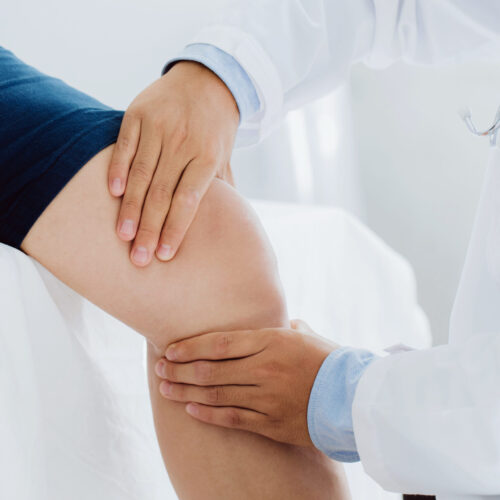
Outcomes with PRP therapy for knees can vary by patient and condition, however many studies suggest improvements in pain and function, especially in the early stages of arthritis.

-
Back Pain
-
- Facet joint inflammation
- Degenerative disc disease
- Sacroiliac joint pain (SI)
- Muscle or ligament injuries
PRP therapy for back pain is often used when conservative treatments like physical therapy or medications haven’t provided lasting relief. Researchers are also studying PRP for its potential role in supporting wound restoration, particularly in areas with limited blood supply and slow tissue repair.
What to Expect After PRP Therapy
PRP therapy is typically an outpatient procedure that takes less than an hour. Patients can often return to light activity the same day, though intense activity should be avoided for a few days.
PRP Therapy Recovery Timeline
- Mild soreness may occur for a few days.
- Noticeable improvement may begin after 2–6 weeks.
- Full results are often reported within 3–6 months.
Recovery times can vary depending on the condition and body area treated. For example, PRP therapy for knee arthritis may provide faster pain relief than for more complex tendon injuries.
Current research suggests that PRP is generally considered safe with a low rate of complications, particularly since it uses your own biological material. However, as with any medical procedure, results can vary, and ongoing studies are still evaluating long-term outcomes.
Can PRP Therapy Be Combined with Other Treatments?
Yes—it can sometimes be combined with other treatments to support recovery. Common combinations include:
- Physical therapy – to help restore mobility and strength
- Bracing or orthotics – especially for foot and knee issues
- Chiropractic care or acupuncture – for conservative pain management
- Hyaluronic acid injections – in cases of joint degeneration
Your provider may help you develop a treatment plan that aligns with your specific condition and goals.
Is PRP Therapy Covered by Accident Injury Insurance?
PRP therapy coverage under No-Fault (auto insurance) and Workers’ Compensation can vary by case and insurer. Because PRP is often considered an emerging treatment, approval typically depends on whether the therapy is deemed medically necessary for your specific injury.
In many cases, insurance companies require detailed documentation showing that conventional treatments have been tried without success, and that PRP may be considered for your condition. Prior authorization or utilization review may also be needed.
Coverage for PRP under No-Fault or Workers’ Compensation is not guaranteed and often depends on state-specific medical treatment guidelines and insurer policies. Patients should consult with their provider and insurance adjuster to understand coverage and any out-of-pocket costs.
Is PRP Therapy Right for You?
If you’re dealing with constant joint, tendon, or muscle pain, and conservative treatments haven’t helped, then PRP therapy may be an option to explore. However, while this is not a one-size-fits-all solution, many patients have still reported meaningful improvements.
Whether you’re considering PRP for pain management or recovery from an orthopedic injury, meeting with a specialist can help identify the most appropriate next steps for your care.
Explore Platelet-Rich Plasma Therapy with a Trusted Specialist
Painandinjury.com can connect patients with specialists in New York, New Jersey and Connecticut who understand the nuances of PRP therapy. If you want to explore non-surgical alternatives, scheduling a consultation may be the first step in your journey.
Frequently Asked Questions
PRP (Platelet-Rich Plasma) therapy uses platelets from your own blood, which are rich in growth factors. Stem cell therapy typically involves taking cells from bone marrow or fat tissue that may help support tissue at a deeper level. PRP is usually more accessible and less invasive. However, in some cases, doctors may recommend getting both treatments depending on your condition and goals.
Current research shows PRP is generally safe with few known long-term risks since it uses your own blood components. However, researchers still have limited long-term data. Therefore, you should discuss potential risks with your doctor.