

What Are the Most Common Workplace Injuries?

Workplace injuries commonly include back strains, sprains, falls, repetitive motion injuries, cuts, fractures, and eye injuries. Workplace injury prevention strategies may include ergonomic training, safe lifting techniques, protective equipment, and routine safety procedures designed to reduce injury risks.
Workplace Injuries at a Glance
- Back injuries, falls, and repetitive motion injuries are among the most common workplace injuries
- Proper lifting techniques and ergonomic workstations may help reduce injury risks
- Protective equipment and safety training play important roles in workplace injury prevention
- Early evaluation may help workers manage pain and mobility concerns after an injury
What is a Workplace Injury?
A workplace injury refers to a physical injury or occupational condition that develops during job-related activities. Common causes may include overexertion, repetitive motion, falls, machinery accidents, or exposure to hazardous materials.
What Are the Most Common Workplace Injuries?
Common workplace injuries reported by organizations such as the U.S. Bureau of Labor Statistics and OSHA may include back injuries, sprains, falls, fractures, and repetitive motion conditions.Workplace injuries may affect different parts of the body depending on job duties, workplace conditions, and repetitive physical demands.
| Workplace Injury | Common Causes |
| Back injuries | Heavy lifting, repetitive strain, or poor posture |
| Sprains and strains | Overexertion, repetitive movement, or awkward motion |
| Falls | Slips, trips, wet floors, uneven surfaces, ladders, scaffolds, or elevated work areas |
| Eye injuries | Debris, chemicals, dust particles, or hazardous splashes |
| Hand injuries | Machinery accidents, sharp tools, crush injuries, cuts, or amputations |
| Fractures | Falls, blunt trauma, or workplace accidents involving impact |
| Burns | Heat exposure, chemicals, electricity, or hot surfaces |
| Cuts and lacerations | Sharp tools, machinery, broken materials, or equipment accidents |
| Repetitive motion injuries | Repeated movements or overuse conditions such as carpal tunnel syndrome |
How Can Workers Help Prevent Back Injuries?
Back injuries are commonly associated with missed work time and workplace discomfort. While not all injuries can be prevented, proper lifting mechanics and ergonomic adjustments may help reduce physical strain during repetitive or demanding tasks.
Strategies that may help reduce injury risks include:
- Using proper lifting techniques and avoiding twisting motions
- Using mechanical aids such as dollies or forklifts when available
- Adjusting workstations to support posture and movement
Taking breaks during repetitive or physically demanding tasks

How Can Workers Prevent Hand Injuries?
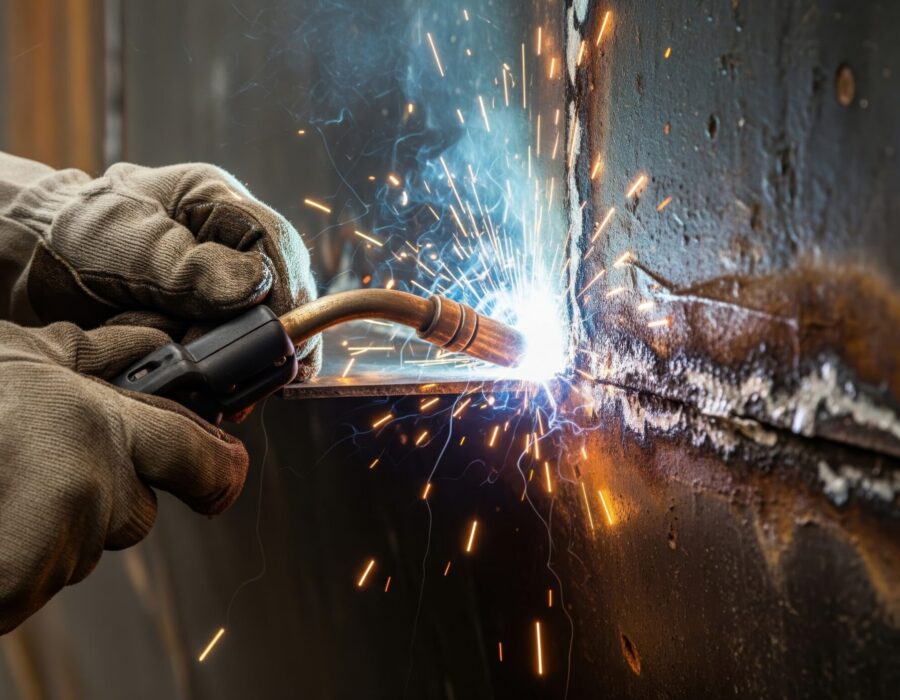
Hand injuries may occur in workplaces involving machinery, repetitive tasks, sharp tools, or heavy equipment. Protective gear and safe tool handling practices may help reduce injury risks.
- Using task-appropriate protective gloves may help reduce hand injury risks.
- Machinery guards should remain securely in place during equipment use.
- Use tools correctly and maintain them regularly.
- Be mindful of pinch points and sharp edges.
What Causes Workplace Eye Injuries?
Eye injuries in the workplace may result from flying debris, chemical exposure, dust particles, or hazardous materials. Some injuries are minor, while others may affect vision and require medical evaluation.
- Wearing safety goggles or face shields may help reduce eye injury risks when working around chemicals, debris, or hazardous materials.
- Ensure proper lighting and clean work areas.
- Follow proper procedures for handling hazardous materials.
Workplace Safety Strategies That May Help Reduce Injury Risks
| Workplace Safety Focus | Prevention Strategy |
| Lifting safety | Use proper body mechanics and lifting equipment |
| Workplace hazards | Keep walkways clear and inspect work areas regularly |
| Ergonomics | Adjust workstations to reduce repetitive strain |
| Protective equipment | Use gloves, goggles, and appropriate safety gear |
| Repetitive motion | Rotate tasks and encourage rest breaks |
Looking for Care After a Workplace Injury?
PainandInjury.com helps connect injured workers throughout New York, New Jersey, and Connecticut with providers offering orthopedic evaluations, spine care, rehabilitation services, pain management, and physical therapy for workplace-related injuries. Treatment recommendations vary depending on the injury being evaluated, symptom severity, mobility limitations, and job-related demands.
To learn more about available appointments or provider locations, call 800-949-6100 or request an appointment.

Frequently Asked Questions About Workplace Injuries
What should I do after getting injured at work?
After a workplace injury, individuals may consider documenting symptoms, notifying a supervisor, and seeking medical evaluation if pain, swelling, numbness, or mobility issues develop.
When should I seek medical care after a work injury?
Medical evaluation may be appropriate if symptoms include persistent pain, reduced mobility, numbness, swelling, weakness, or discomfort that interferes with work duties or daily activities.
What are the most common injuries caused by workplace accidents?
Common workplace injuries may include back strains, sprains, repetitive motion injuries, fractures, slips and falls, shoulder injuries, hand injuries, and neck pain.
Can repetitive work activities cause long-term injuries?
Repeated lifting, bending, typing, tool use, or overhead movements may contribute to repetitive strain injuries over time. Symptoms may develop gradually and worsen without evaluation or activity modifications.
What types of providers treat workplace injuries?
Depending on the injury, patients may be evaluated by orthopedic specialists, spine providers, pain management specialists, physical medicine and rehabilitation providers, or physical therapists.
How are back injuries commonly treated after a workplace accident?
Treatment recommendations vary depending on the injury and symptoms. Some patients may receive physical therapy, diagnostic imaging, bracing, rehabilitation, pain management, or specialist referrals.
Can workplace injuries affect mobility and daily activities?
Some workplace injuries may affect lifting, walking, bending, sitting, or repetitive movement depending on the condition being evaluated and the physical demands of the job.
What symptoms may develop after a workplace injury?
Symptoms may include pain, stiffness, swelling, numbness, weakness, tingling, reduced range of motion, or discomfort during movement or physical activity.
Can physical therapy help after a workplace injury?
Some patients may be referred for rehabilitation services such as physical therapy or mobility training to help support strength, flexibility, mobility, and functional movement after an injury.
This blog from Pain and Injury is intended for educational purposes only. It is not a substitute for professional medical or legal advice. Patient recovery is not guaranteed, and each patient’s results may vary. Always consult a qualified professional for a personalized plan.