
Can Elevated Shoes Cause Knee and Back Pain?
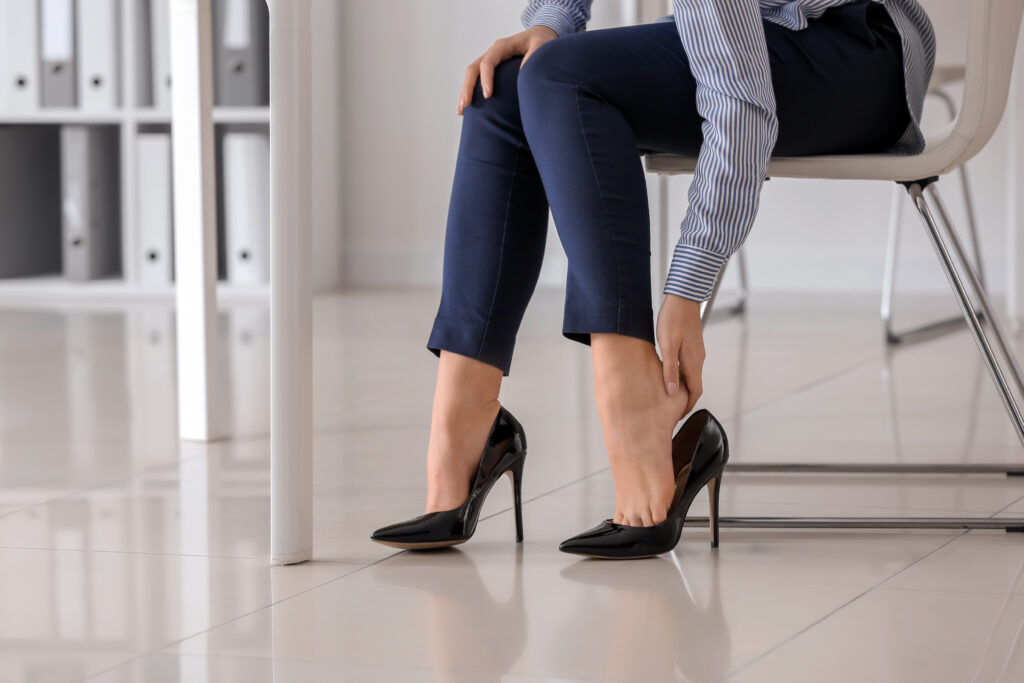
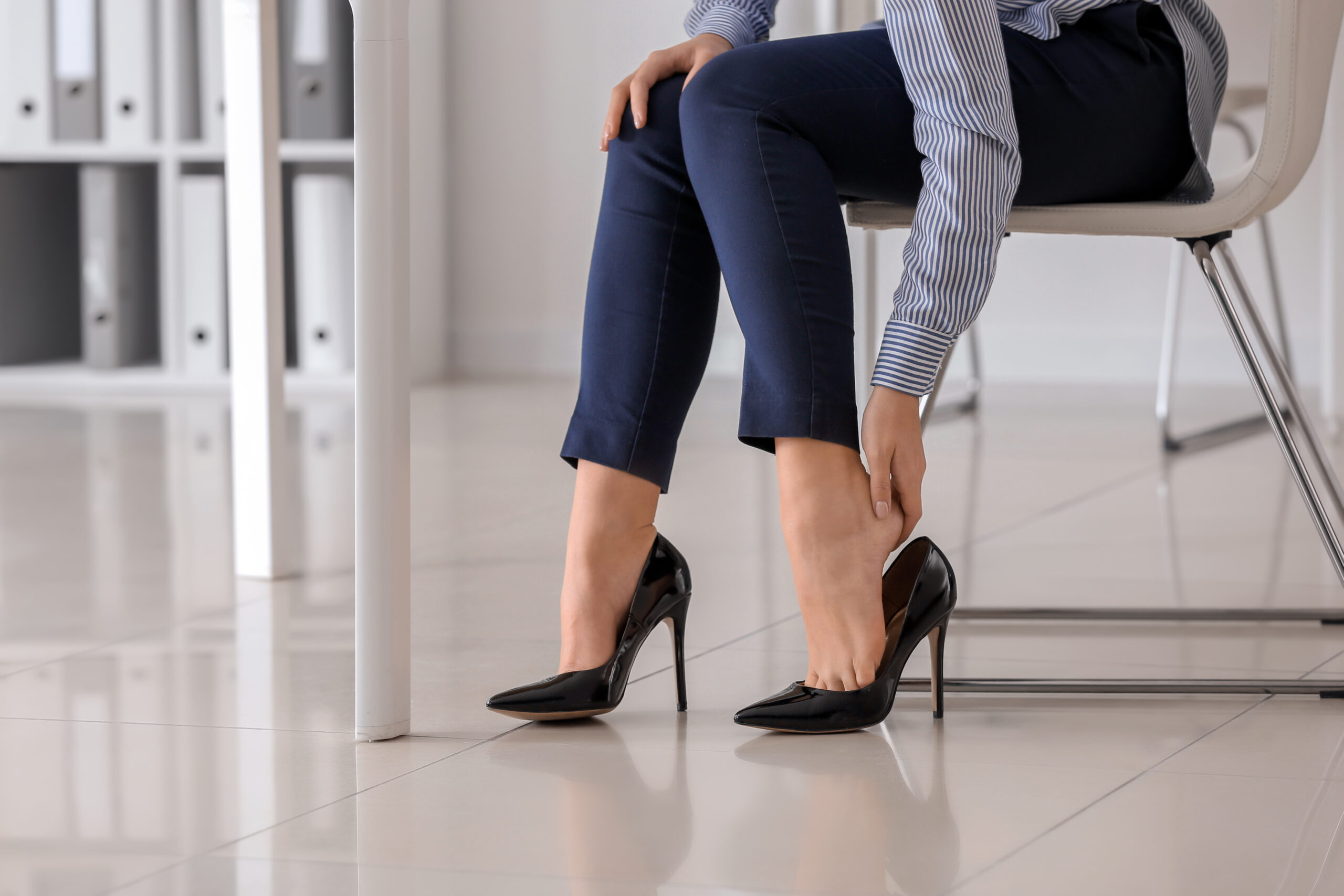
Elevated footwear doesn’t just affect your feet—it can influence how your entire body moves. Even a modest heel changes the way your ankles, knees, hips, and spine work together with every step. For some people, those small adjustments may contribute to discomfort in places they wouldn’t expect, including the knees or lower back.
At a Glance
- Elevated shoes can move pressure forward toward the ball of the foot and change ankle position.
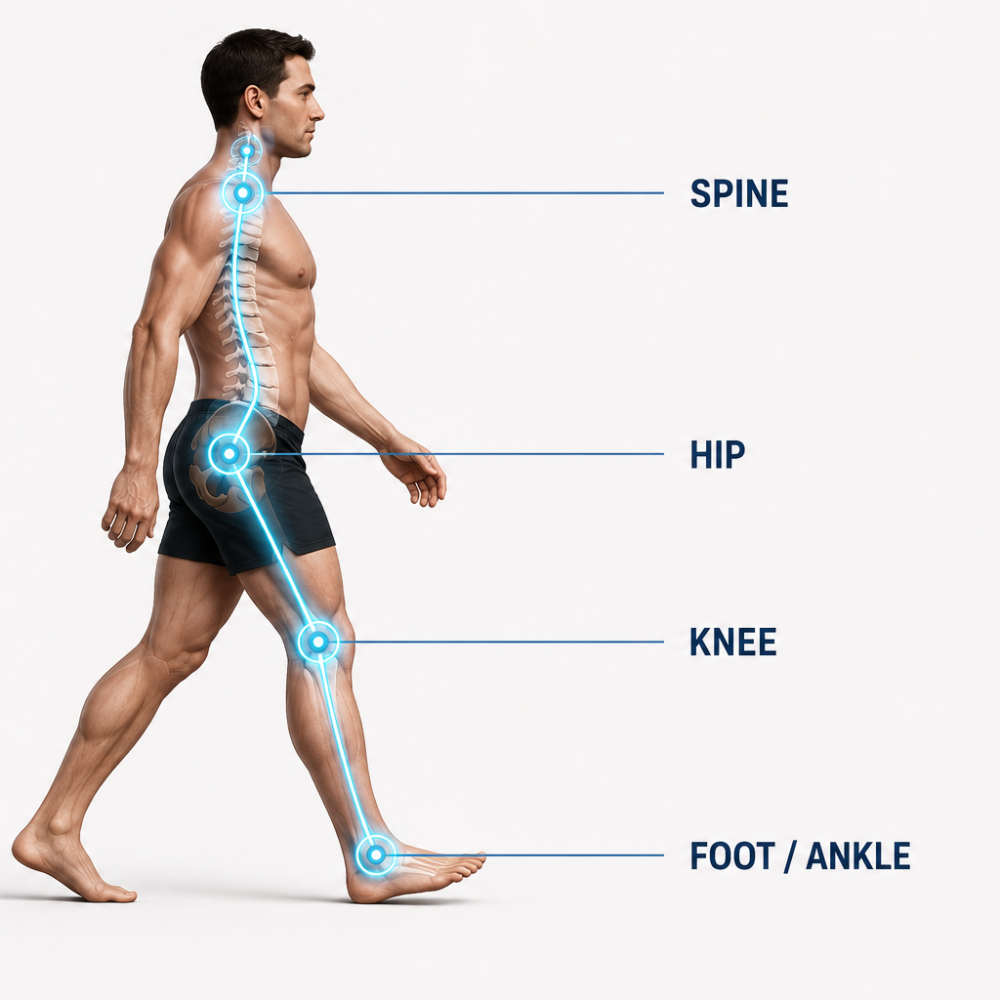
- Changes at the foot and ankle can lead the knees, hips, pelvis, and spine to adjust during standing and walking.
- Common complaints can include heel pain, calf tightness, arch or forefoot pain, knee pressure, balance changes, or lower back discomfort.
- Elevated footwear is not harmful for everyone, and symptoms can have more than one cause.
- Pain that persists, worsens, affects walking, or starts after a fall or injury should be evaluated.
Why Elevated Footwear Can Affect More Than Your Feet
Every step begins at your feet. When your heel sits higher than your toes, your body naturally adjusts to keep you balanced. As a result, more pressure shifts toward the front of the foot, the calf muscles remain under greater tension, and the joints higher up the body also adjust to accommodate those changes.
Not everyone experiences problems from elevated footwear. Some people wear heels regularly without discomfort, while others notice soreness or tightness after long periods of standing or walking. Because symptoms like knee pain or back pain can have many possible causes, footwear is just one piece of the overall picture that a physiatrist considers during an evaluation.
How Heel Height Affects the Knees
Your knees are often one of the first joints to feel the effects of elevated footwear. For this reason, as body weight shifts forward, the muscles around the knee work differently to help keep you stable throughout each step.
Furthermore, the knees often absorb some of the additional force created by the forward shift in body weight. Research suggests that higher heels can increase stress around the front of the knee during certain walking conditions. For people who already experience kneecap-area pain, discomfort on stairs, or soreness after long periods of standing, those changes may make symptoms more noticeable.
How Heel Height Affects the Spine
Your lower back often joins the chain of compensation. As your feet and knees adjust to elevated heels, your pelvis and spine may also change position to help keep you upright. Over time, those subtle adjustments can contribute to muscle fatigue or lower back tightness after prolonged standing or walking.
Does heel height matter?
Generally, yes. The higher the heel, the more your body has to compensate. That doesn’t mean every pair of elevated shoes will cause pain, but greater heel height usually places more stress on the front of the foot while changing how force travels through the knees, hips, and spine.
How Elevated Footwear Affects the Rest of Your Body
| What’s Changing? | How Your Body May Respond | What You May Notice |
| Heel is raised | The ankle stays in a more pointed position, and the calf muscles work differently. | Calf tightness, Achilles soreness, or a shorter stride |
| Pressure shifts forward | More body weight moves toward the ball of the foot and toes. | Ball-of-foot pain, toe discomfort, or arch fatigue |
| Balance demands increase | The knees, hips, and core work harder to keep you steady. | Knee pressure, hip fatigue, or feeling less stable |
| Posture adjusts | The pelvis and spine compensate to help you stay upright. | Lower back tightness, muscle fatigue, or changes in the way you walk |
Symptoms That May Be Related to Shoe Height
Most people don’t notice discomfort the moment they put on elevated shoes. Instead, symptoms often appear after hours of standing, walking, commuting, attending events, or spending an entire workday on their feet. Many people notice the same pattern: their feet or knees feel better once the shoes come off, only for the discomfort to return the next time they wear them.
Recurring pain doesn’t automatically mean your shoes are the only cause. However, if the same discomfort appears every time you wear certain footwear, it’s worth looking at how those shoes interact with your movement, strength, flexibility, and overall mechanics. If discomfort persists or keeps returning, a clinician can evaluate your footwear, gait, strength, flexibility, balance, and medical history to better understand what may be contributing to your symptoms.
| Symptom | Why It May Happen | When to Consider Evaluation |
| Knee pressure or kneecap pain | Heel height may increase stress around the front of the knee. | Pain persists, makes stairs difficult, or changes the way you walk. |
| Calf or Achilles tightness | A raised heel keeps the calf muscles in a shortened position for long periods. | Tightness lingers, becomes painful, or limits daily activities. |
| Heel, ball-of-foot, or arch pain | More body weight shifts toward the forefoot and toes. | Pain interferes with standing, work, exercise, or sleep. |
| Lower back discomfort | The pelvis and spine may adjust to compensate for changes lower in the body. | Back pain is new, worsening, or occurs with numbness, weakness, or after an injury. |
| Feeling less stable or balance changes | Elevated shoes can reduce stability and increase the body’s balancing demands. | Balance problems lead to falls, near-falls, or make you feel unsteady. |
When Foot Pain From Shoes Shouldn’t Be Ignored
It’s easy to blame sore feet on a long day or uncomfortable shoes. But when the same pain keeps coming back, begins affecting the way you walk, or starts spreading to your knees, hips, or back, it may be time to look beyond the shoes themselves.
However, swelling, inability to bear weight, numbness, weakness, radiating pain, or symptoms that begin after a fall or injury should be evaluated by a qualified healthcare professional, as they may have causes unrelated to footwear.
What an Evaluation May Include
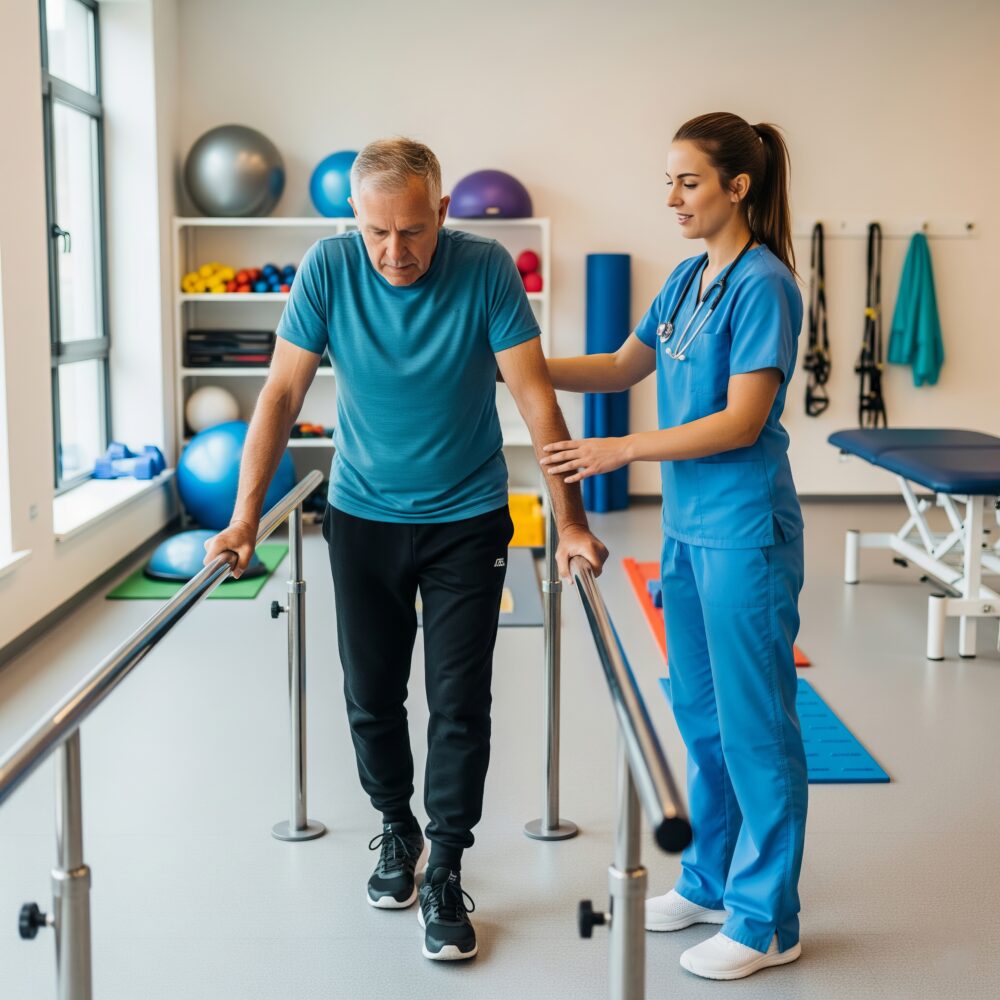
An evaluation looks beyond the shoes themselves. A healthcare professional may assess how you walk, how your joints move, how flexible and strong your muscles are, and whether another musculoskeletal condition could be contributing to your symptoms.
Key Takeaways
- Elevated footwear can change how force moves from your feet through the rest of your body.
- Heel height may lead to knee pressure, calf tightness, forefoot pain, balance changes, or lower back discomfort.
- Pain that persists, returns often, changes the way you walk, or follows an injury should be evaluated.
- A whole-body evaluation can help identify movement patterns that may be contributing to your symptoms.
Frequently Asked Questions
Can high heels cause knee pain?
Yes. High heels can contribute to knee pain because they can increase stress around the front of the knee during walking. However, knee pain can also have many other causes, including injuries and arthritis, so persistent symptoms deserve evaluation.
Why does my back hurt after wearing elevated shoes?
Back pain after wearing elevated shoes may happen because the pelvis and spine adjust to help keep the body balanced over a raised heel. Those changes can make the muscles of the lower back work harder during prolonged standing or walking.
Are wedges or platforms easier on the body than high heels?
Sometimes. Wedges and platforms may feel more stable than traditional high heels, but they still change ankle position, balance, and the way force moves through the body.
Why do my calves feel tight after wearing heels?
Calf tightness is common after wearing heels because a raised heel keeps the calf muscles in a shortened position for longer periods.
When should I see someone for pain from shoes?
Consider an evaluation if pain lasts, keeps coming back, changes the way you walk, or limits daily activities. Prompt evaluation is also important after a fall or injury or if symptoms include swelling, numbness, weakness, or difficulty bearing weight.
When Recurring Pain Deserves Attention
If you notice that certain shoes consistently leave you with sore feet, aching knees, or back discomfort, you don’t have to keep guessing what’s causing it. A comprehensive musculoskeletal evaluation can help determine whether your footwear, movement patterns, or another condition may be contributing to the problem. MSR Injury Doctors can connect you with a healthcare provider who can evaluate your symptoms and discuss appropriate next steps.
Call 800-949-6100 or visit PainandInjury.com to learn more about available care options.
*This article is for educational purposes only and is not a diagnosis or treatment plan. Every injury and medical condition is different. A qualified healthcare professional can evaluate your symptoms in the context of your medical history and individual needs.