
Ice vs Heat for Injuries: When to Use Each and Why Timing Matters
It started as a simple mistake. A weekend runner felt a sharp pull behind the knee mid-stride—just enough to stop and notice, but not enough to seem serious. After a few minutes of rest, walking felt manageable again, so at home, the decision felt small: ice or heat?
Heat felt better immediately, easing the tightness, and for a moment, it seemed like the right call. But later that night, the swelling increased. The knee felt tighter, not better, and harder to move. What felt good at first didn’t seem to help hours later.
This is where a small decision can lead to a different outcome. The question isn’t just ice vs heat—it’s when each is used, and how timing can influence the body’s response.
What’s Really Happening After an Injury?
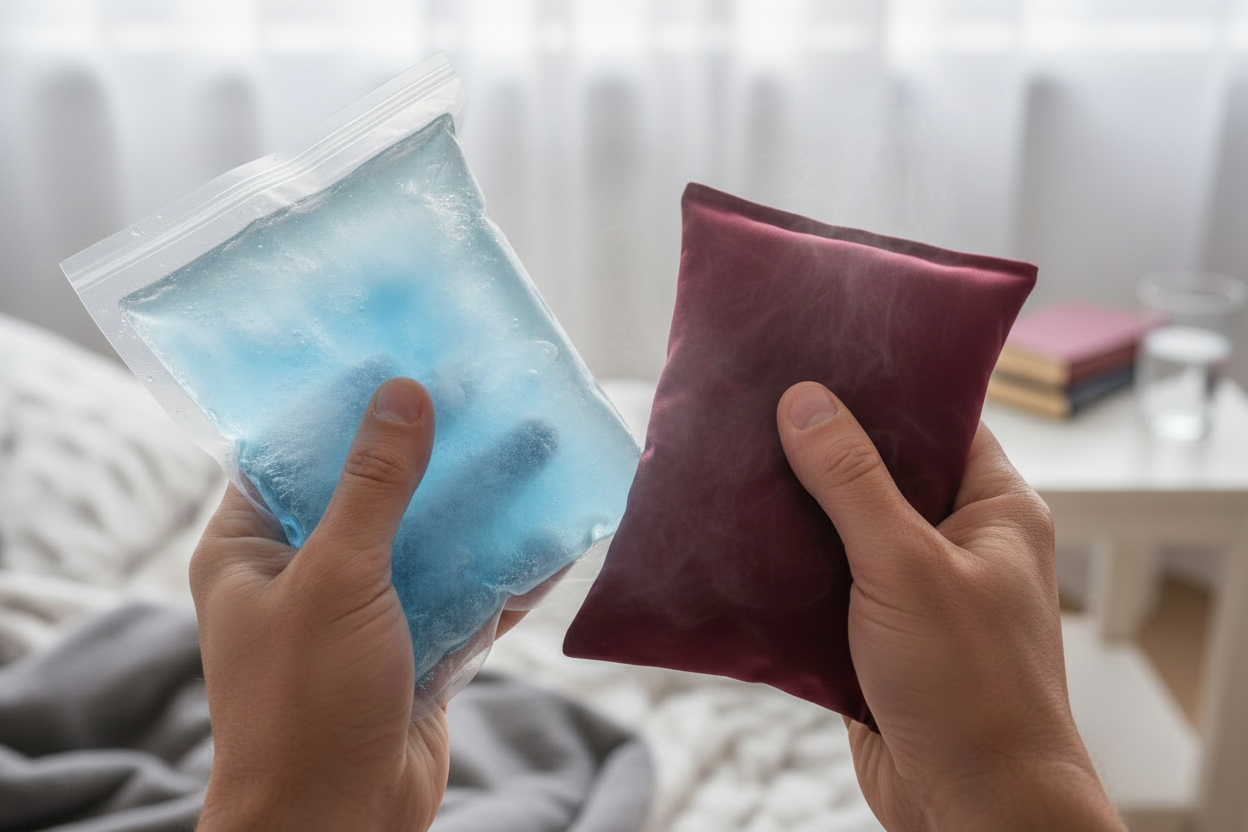
When the body experiences an injury, such as a muscle strain or sprain, it often responds with inflammation. This can include swelling, warmth, and pain. Research suggests that cold therapy may help limit inflammation by narrowing blood vessels and slowing fluid buildup. This is why an ice pack for injury is often used early on. On the other hand, heat increases blood flow, which may help relax tight muscles and support tissue flexibility.
Why Timing Matters More Than Most People Realize
Many people think ice vs heat is about preference. However, the key difference is how each interacts with the body’s natural response.
Ice may help slow inflammation and reduce discomfort signals. Heat may help improve circulation and tissue flexibility later on. Using heat too early may increase swelling, while using ice too long may limit circulation needed for recovery.
This balance can play a role in how symptoms change over time.
Quick Guide: Ice vs. Heat at a Glance
|
Condition |
Recommended Treatment |
Timing / Goal |
| Acute Injury (Sprains, Strains) | Ice | First 24–48 hours; reduce swelling. |
| Visible Swelling or Bruising | Ice | Immediate; numb sharp pain. |
| Chronic Stiff Muscles | Heat | Ongoing; improve blood flow and flexibility. |
| Lingering Low Back Tightness | Heat | Pre-movement; relax musculature. |
Ice Therapy: Managing Early Acute Inflammation
Cold therapy is widely used for acute injuries like sprains and bruises. This is because it helps manage the “traffic jam” of fluid that occurs immediately after tissue damage by narrowing the blood vessels.
Does ice reduce swelling?
Cold exposure may help slow inflammation and numb the area, which can reduce discomfort temporarily.
The 20/20 Rule: It is generally recommended to limit icing sessions to up to 20 minutes at a time, followed by a 20-minute break. However, prolonged exposure may irritate the skin or underlying tissue.
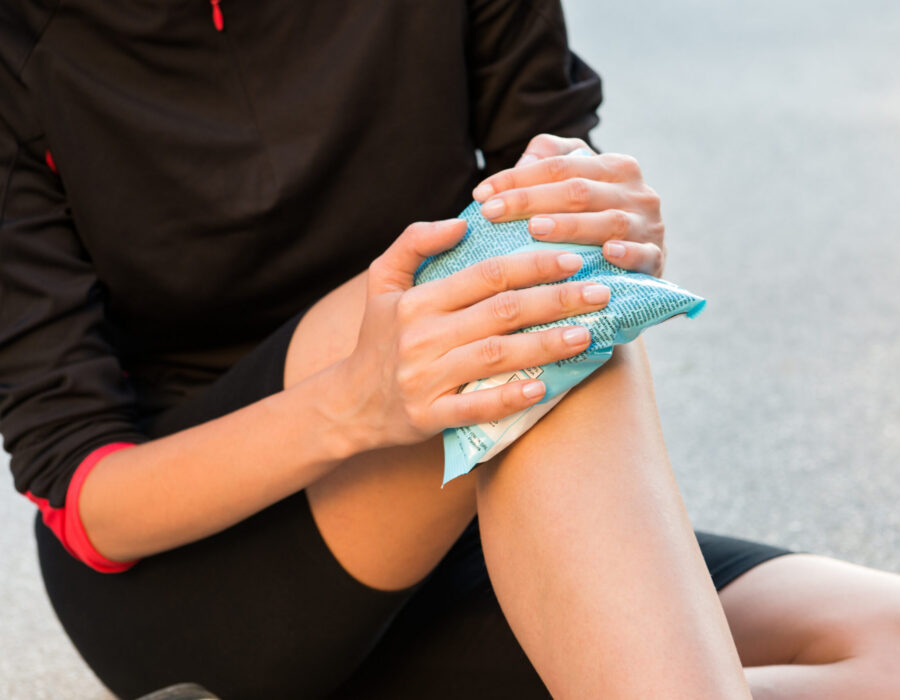
While icing may provide temporary pain relief, some newer approaches suggest it should be used in moderation during the early stages of an injury. This is because the body’s natural inflammatory response plays a role in the healing process, and prolonged or excessive use of ice may limit that response.

Heat Therapy and Muscle Relief
Heat therapy, also called thermotherapy, works in the opposite way of ice. It triggers vasodilation—opening up blood vessels—which delivers a fresh supply of oxygen and nutrients to help tissues repair.
Does heat help muscle pain?
Heat supports relaxation by increasing blood circulation and loosening tight fibers. This makes it ideal for stiffness rather than acute inflammation.
Is Heat a Viable Back Pain Treatment?
For many managing ongoing discomfort, heat is an essential part of a broader treatment plan. It warms up the surrounding soft tissues, allowing the spine to move more freely.
Combining Methods: Contrast Therapy
Some protocols involve contrast therapy, which alternates between heat and cold. This approach may help “pump” circulation while still addressing lingering inflammation. However, it is typically used in the subacute phase (3–14 days after injury), not immediately after the event.
Practical Tips and DIY Solutions
If a commercial ice pack isn’t available, you can easily create a homemade ice pack by placing ice in a sealed plastic bag with a cloth barrier. Additionally, some people find that using gentle heat, such as a warm towel or heating pad, may help promote comfort.
Safety Note: Always use a barrier (like a thin towel) between the temperature source and your skin to help prevent burns or irritation.
When It May Be Time to Look Beyond Home Remedies
Ice and heat may help support comfort early on, but they may not address the underlying cause—especially if pain, swelling, or stiffness continues.
If symptoms do not improve, worsen, or begin to affect movement, a medical evaluation may help identify what’s contributing to the issue.
In some cases, a more structured approach may be considered. For example, pain management may focus on identifying the source of discomfort and exploring non-surgical options, while physical therapy may help improve mobility, strength, and movement patterns over time.
Understanding when to move beyond home care can be an important part of recovery.
Frequently Asked Questions:
Is ice or heat better for back pain?
This depends on the cause. For example, ice for back pain may be helpful after a sudden strain or flare-up. On the other hand, heat for back pain may be more appropriate for stiffness or chronic tightness. Therefore, understanding the source of discomfort can help guide the choice.
Can you ice for more than 20 minutes?
Short intervals are preferred. In general, icing for too long can potentially damage the skin or interfere with the body’s natural signaling process.
Can heat make inflammation worse after an injury?
Heat may make inflammation worse if used too soon after an injury. It increases blood flow, which can lead to more swelling early on. Heat is usually better for stiffness after the initial swelling has gone down.
How often should you alternate ice and heat for an injury?
You can alternate ice and heat every few minutes for a short session, usually once or twice a day.
Support Your Recovery with the Right Approach
Understanding when to use ice vs heat is an important first step, but persistent discomfort may benefit from a closer evaluation.
PainandInjury.com connects patients with a network of board-certified providers experienced in evaluating injuries and conditions that affect movement and comfort. A medical evaluation may help identify underlying concerns and outline appropriate options based on individual needs.
To learn more, contact Pain and Injury at 800-949-6100 or request an appointment.