
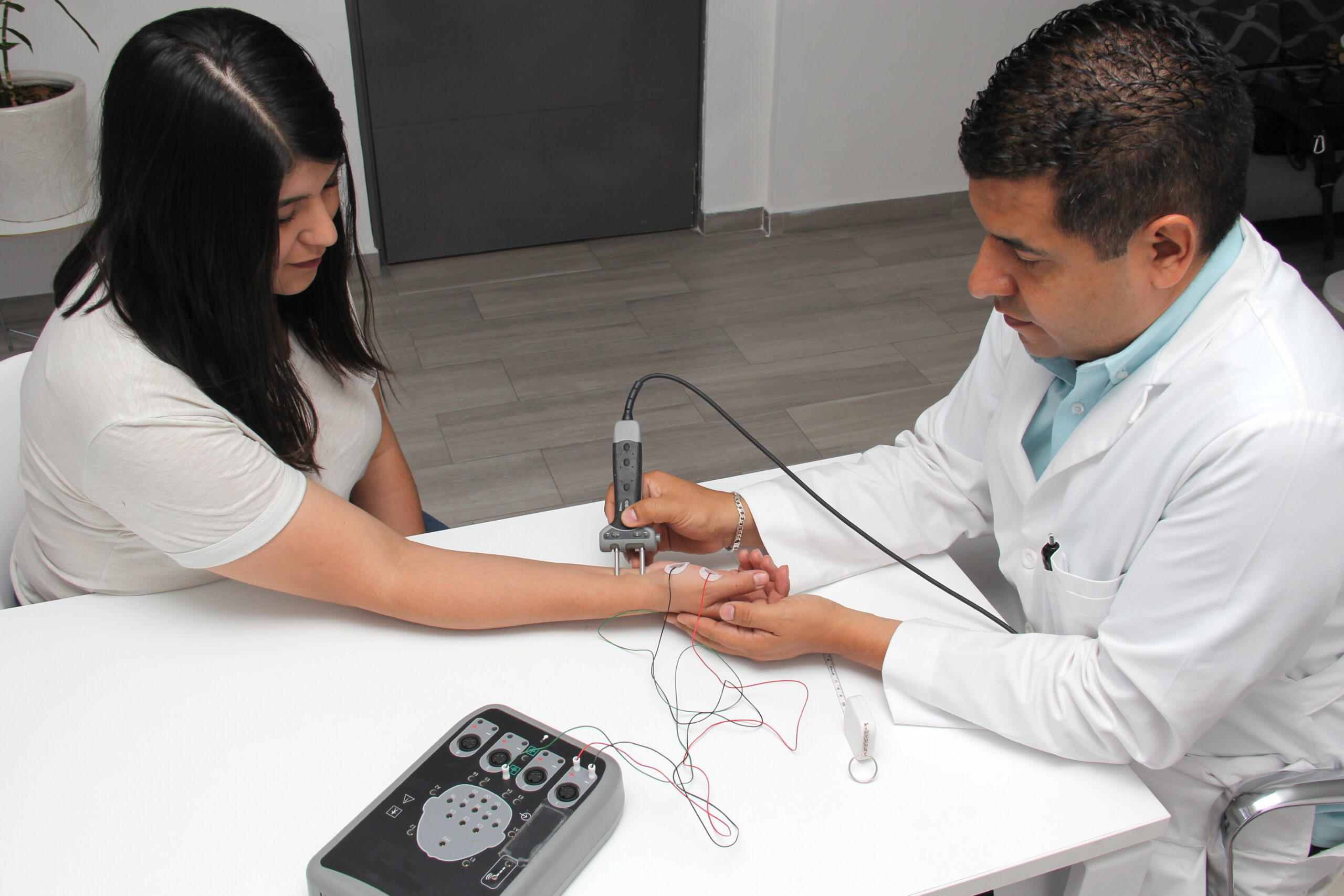
How to Prepare for an EMG Test
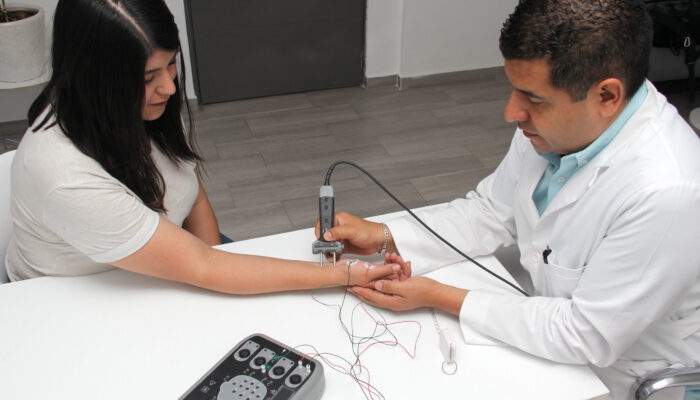
If you’ve been injured in a car accident, workplace accident, or slip-and-fall and your doctor has recommended an EMG test, knowing what to expect can help reduce uncertainty before your appointment. Electromyography (EMG) testing helps providers evaluate nerve and muscle function when symptoms such as numbness, tingling, weakness, or radiating pain continue after an injury.
Understanding how to prepare for an EMG test can help ensure the appointment goes as smoothly as possible and may help ease concerns about the procedure itself.
EMG Test Basics at a Glance
- EMG testing evaluates how nerves and muscles are functioning.
- It is commonly performed when nerve damage is suspected after an injury.
- Most EMG appointments take between 30 and 90 minutes.
- Patients can typically return to normal activities after testing.
What Is an EMG Test?
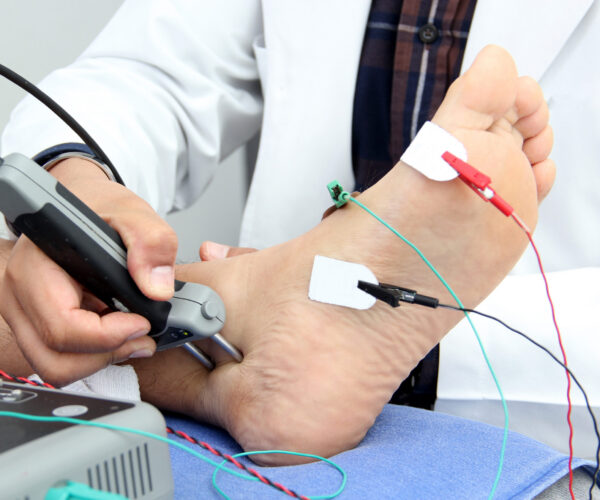
An electromyography (EMG) test is a diagnostic study that evaluates the electrical activity of muscles. Providers often perform EMG testing alongside a nerve conduction study (NCS), which measures how electrical signals travel through nerves.
Together, these tests help doctors better understand whether nerves and muscles are working properly. They are commonly used when symptoms continue after an accident and additional information is needed to determine whether a nerve injury may be contributing to ongoing pain, weakness, numbness, or tingling.
Research on EMG and nerve conduction studies are frequently used to evaluate ongoing neurological symptoms following traumatic injuries.
Why Might an EMG Be Performed After an Accident?
Following a traumatic event, nerves may become compressed, stretched, irritated, or otherwise affected by an injury. While some symptoms improve over time, others may persist and require further evaluation.
Healthcare providers may recommend an EMG when symptoms suggest possible nerve involvement. An EMG test for nerve damage after a car accident may provide additional information when symptoms continue despite initial treatment.
Common Symptoms That May Lead to EMG Testing
Patients are often referred for EMG testing when experiencing:
- Persistent numbness
- Tingling sensations
- Muscle weakness
- Radiating pain into an arm or leg
These symptoms can sometimes occur when a nerve root becomes irritated or compressed by a spinal injury such as a herniated disc. An EMG may help determine whether nerve dysfunction is contributing to a patient’s symptoms.
EMG testing may also be considered when symptoms persist following a whiplash injury, particularly when numbness, tingling, weakness, or radiating pain develops in the shoulders, arms, or hands.
What Areas of the Body Can an EMG Evaluate?
Providers can perform EMG testing on different areas of the body depending on where symptoms occur.
After an accident, providers commonly perform testing on the following areas:
For example, someone experiencing numbness, tingling, or weakness that travels from the neck into the arm may undergo testing of the upper extremities. Patients with low back pain that radiates into the leg may have nerves and muscles in the lower extremities evaluated.
The specific muscles and nerves tested are determined by the location of the symptoms and the clinical findings from the examination.
What Types of Doctors Perform EMG Tests?
EMG testing is commonly performed by physicians with specialized training in electrodiagnostic medicine. Depending on the practice setting, this may include physical medicine and rehabilitation (PM&R) physicians, neurologists, orthopedic specialists, or other providers trained in EMG and nerve conduction testing.

How to Prepare for an EMG Test
Fortunately, preparing for an EMG is usually simple. Most preparation instructions focus on ensuring accurate test results and a smooth examination experience.

Preparation Guidelines
- Avoid applying lotions, creams, oils, moisturizers, or perfumes to the area your provider plans to test.
- Wear loose-fitting clothing, such as a short-sleeved shirt or comfortable shorts, depending on the area your provider will evaluate.
- Let the clinical team know about any medications you take, implanted medical devices, bleeding disorders, or other relevant medical conditions.
Lotions and other skin products can interfere with the surface electrodes used during nerve conduction studies. Healthcare providers often advise patients to keep their hands and feet warm before testing because cold temperatures can affect nerve conduction measurements.
If you take blood thinners or have a pacemaker, implanted defibrillator, or another electronic medical device, discuss this with the provider performing the test. Patients should never stop prescribed medications unless instructed to do so by the appropriate healthcare professional.
What Happens During an EMG Test?
Understanding the basic EMG test procedure can help reduce anxiety before your appointment.
During the test, a healthcare provider places very thin recording electrodes into selected muscles to evaluate their electrical activity. The muscles your provider examines depend on your symptoms and the area your provider is evaluating.
During the test, your provider may ask you to relax the muscle and then gently contract it while the equipment records electrical activity. Providers use this information to assess how well the nerves and muscles communicate.
Most EMG appointments last between 30 and 90 minutes, depending on the number of muscles your provider examines and the complexity of the evaluation.
Does an EMG Test Hurt?
One of the most common questions patients ask is whether an EMG test causes pain.
Most patients report mild discomfort rather than significant pain. Your experience may vary based on the muscles your provider tests and your individual pain tolerance.
Many people are surprised to learn that EMG recording electrodes are much smaller than the hollow needles used for injections or blood draws. These electrodes record electrical activity in the muscles rather than deliver medication.
Some patients experience temporary soreness in the muscles tested. Mild discomfort generally resolves quickly after the examination.
Can You Drive Home After an EMG?
In most situations, you can drive yourself home after testing.
Providers typically perform EMG studies without sedation, so most patients can resume normal daily activities immediately afterward. Routine EMG testing generally does not require driving restrictions.
If your healthcare provider gives you specific post-test instructions, follow those recommendations carefully.
Why Timing Matters After an Accident
If you sustained injuries in a car accident, workplace incident, or slip-and-fall, you may wonder whether you should have an EMG right away.
The timing of testing depends on the clinical situation and the doctor’s evaluation. In some cases, nerve-related changes may not be detectable immediately after trauma. As a result, performing an EMG too soon after an injury may limit the ability to identify certain abnormalities.
In some cases, providers schedule EMG testing several weeks after an injury because certain nerve-related changes may take time to develop and appear on the test. Healthcare providers consider the timing of symptoms, physical examination findings, and the nature of the injury when determining when testing may be most appropriate.
Whether symptoms developed after a motor vehicle accident, work-related injury, or slip-and-fall, healthcare providers carefully evaluate when testing should be performed to help ensure the most meaningful and accurate results possible.
Providers often interpret EMG results alongside a patient’s symptoms, physical examination findings, and imaging studies to gain a more complete understanding of nerve and muscle function.
Frequently Asked Questions About EMG Testing
How long does an EMG test take?
Most EMG appointments take approximately 30 to 90 minutes, depending on the areas your provider examines.
Can an EMG show a pinched nerve?
An EMG can help determine whether symptoms are related to a pinched nerve. The test can identify signs of radiculopathy, a condition that occurs when a nerve root in the spine becomes irritated or compressed. While an EMG cannot directly visualize the nerve, it can provide evidence of how the nerve is functioning and whether nerve compression may be affecting the muscles it controls.
Can I eat before an EMG test?
In many cases, patients can eat and drink normally before an EMG test. However, instructions vary depending on the provider performing the examination.
What should I wear to an EMG test?
Loose-fitting clothing helps providers access the muscles and nerves they need to evaluate during testing.
Do I need to stop medications before an EMG?
Medication questions should be discussed with the ordering physician. Patients should never stop prescribed medications without medical guidance.
What do EMG test results mean?
EMG results help healthcare providers evaluate how nerves and muscles function. Providers interpret these findings alongside your symptoms, physical examination, medical history, and any imaging studies to gain a more complete understanding of the underlying condition.
Are there any side effects after an EMG test?
Most patients experience little to no side effects. Some individuals notice temporary muscle soreness or mild bruising in the areas tested, which typically resolves within a short period of time.
Why might a doctor order an EMG after a car accident?
Healthcare providers may use EMG testing when ongoing symptoms such as numbness, tingling, weakness, or radiating pain suggest possible nerve involvement after an injury.
Have Concerns About Nerve-Related Symptoms?
If you’re still experiencing nerve-related symptoms after an accident, an EMG test can help provide valuable information about how your nerves and muscles are functioning. Understanding how to prepare for an EMG can help reduce uncertainty before the appointment and give you a better idea of what to expect throughout the process.
If you have questions about accident-related injuries, diagnostic testing, or available evaluation options, contact Pain and Injury at 800-949-6100 or request an appointment online.
This blog from Pain and Injury is intended for educational purposes only. It is not a substitute for professional medical advice, diagnosis, or treatment. Patient recovery is not guaranteed, and each patient’s results may vary. Always consult a qualified healthcare professional for a personalized care plan.