
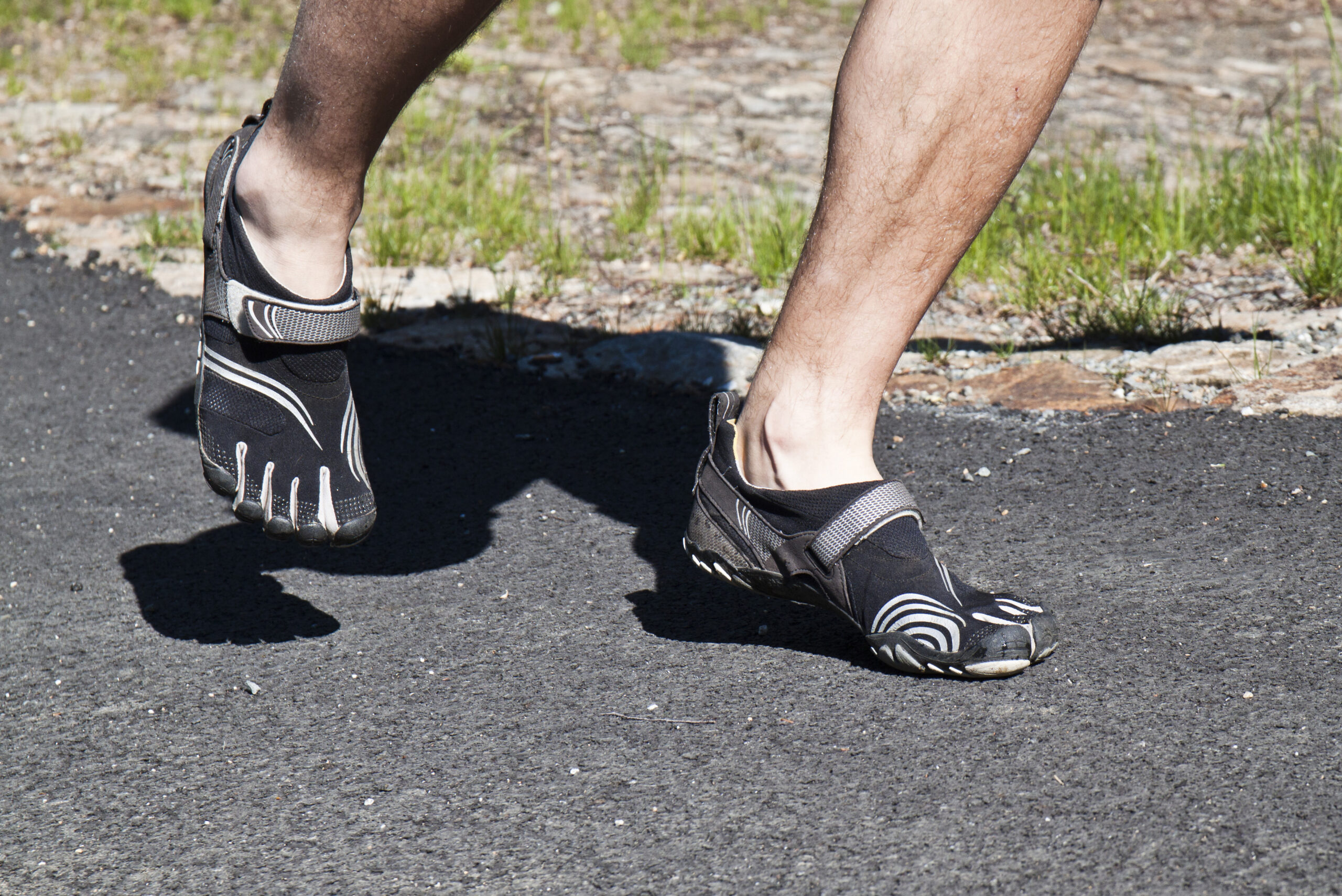
Why Do Barefoot Shoes Make My Calves and Feet Hurt?
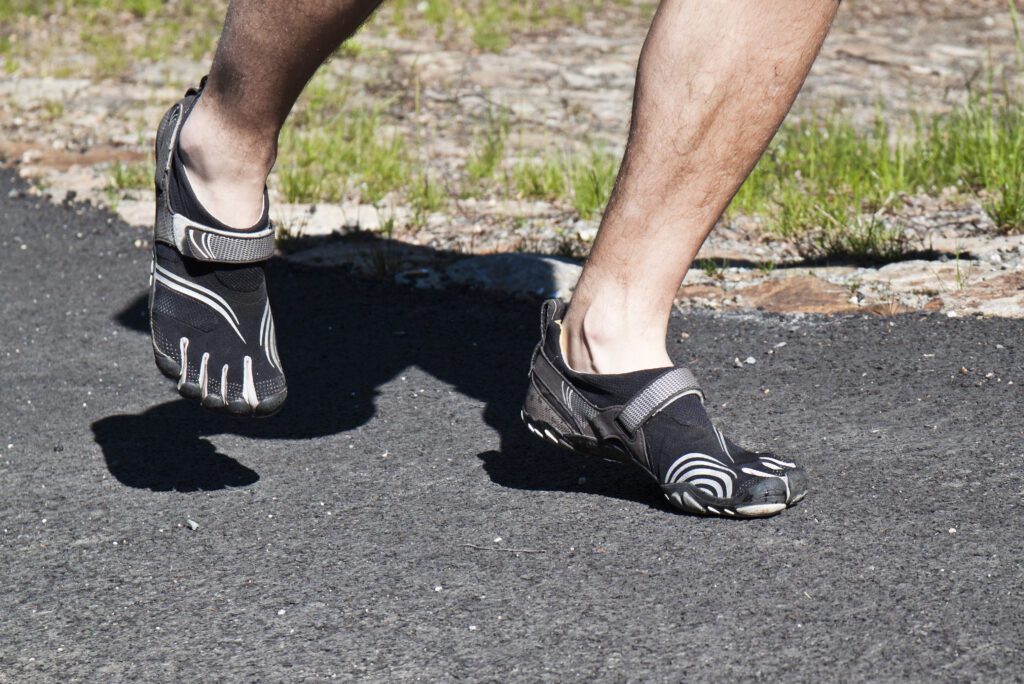
Some individuals notice calf soreness, foot fatigue, arch discomfort, or Achilles tightness after switching to barefoot shoes. These symptoms often develop because zero-drop footwear changes how the feet, calves, and Achilles tendon work during walking and running. Although mild discomfort can occur during the transition, persistent or worsening pain deserves further evaluation.
At a Glance
- Barefoot shoe transition pain commonly affects the calves, feet, arches, and Achilles tendon.
- Mild soreness often occurs as the muscles and tendons adapt to new movement demands.
- Transitioning gradually can help reduce excessive discomfort.
- Persistent pain, swelling, weakness, or symptoms that interfere with daily activities deserve professional evaluation.
Why Do Barefoot Shoes Make My Calves Sore?
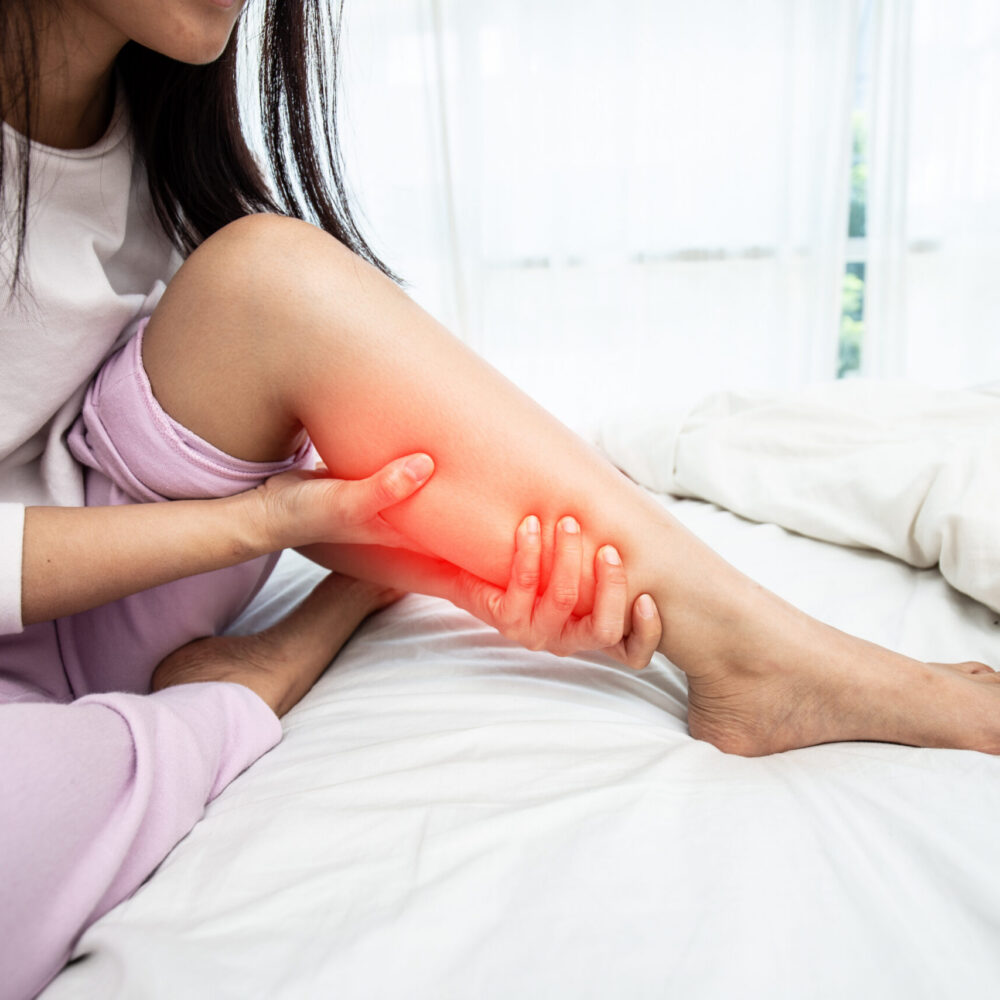
Calf soreness is one of the most common symptoms people notice after switching to barefoot shoes.
Switching to zero-drop footwear places the calf muscles and Achilles tendon under greater demand because they work through a larger range of motion during everyday activities. If these tissues are not accustomed to that workload, temporary soreness or tightness can develop as they adapt.
As a result, people commonly report symptoms such as:
- Tight calves after walking
- Burning sensations during activity
- Soreness after longer periods on their feet
- Morning stiffness in the lower leg
In many cases, the sensation is most noticeable during the first several weeks because tissues are being challenged in ways they have not experienced for years.
Why Do Barefoot Shoes Cause Foot Soreness?
Unlike calf soreness, foot discomfort often comes from the smaller muscles and connective tissues that help support the arch and stabilize the foot during movement.
Because barefoot shoes provide less cushioning and structural support, the small muscles inside the foot take on more of the work during walking and standing. Early in the transition, those muscles can fatigue more quickly than they’re used to.
Common complaints include:
- General foot fatigue
- Tenderness along the arch
- Increased awareness of foot muscles
- Soreness after long walks
This does not always mean an injury. In many cases, it reflects a change in how the foot is functioning during daily movement.
Why Does Arch Pain Happen During a Barefoot Shoe Transition?
Arch discomfort can be especially frustrating because many people switch to barefoot shoes hoping to improve foot health, not develop new symptoms.
In many cases, the answer comes down to how the workload shifts across the foot. The arch relies on a network of muscles, ligaments, and connective tissues to support body weight and maintain stability. With less built-in support from the shoe, the muscles and connective tissues that support the arch often work harder during everyday movement.
For some individuals, this leads to temporary fatigue. For others, it creates discomfort that signals the body is struggling with the transition.
Can Barefoot Shoes Cause Achilles Pain?
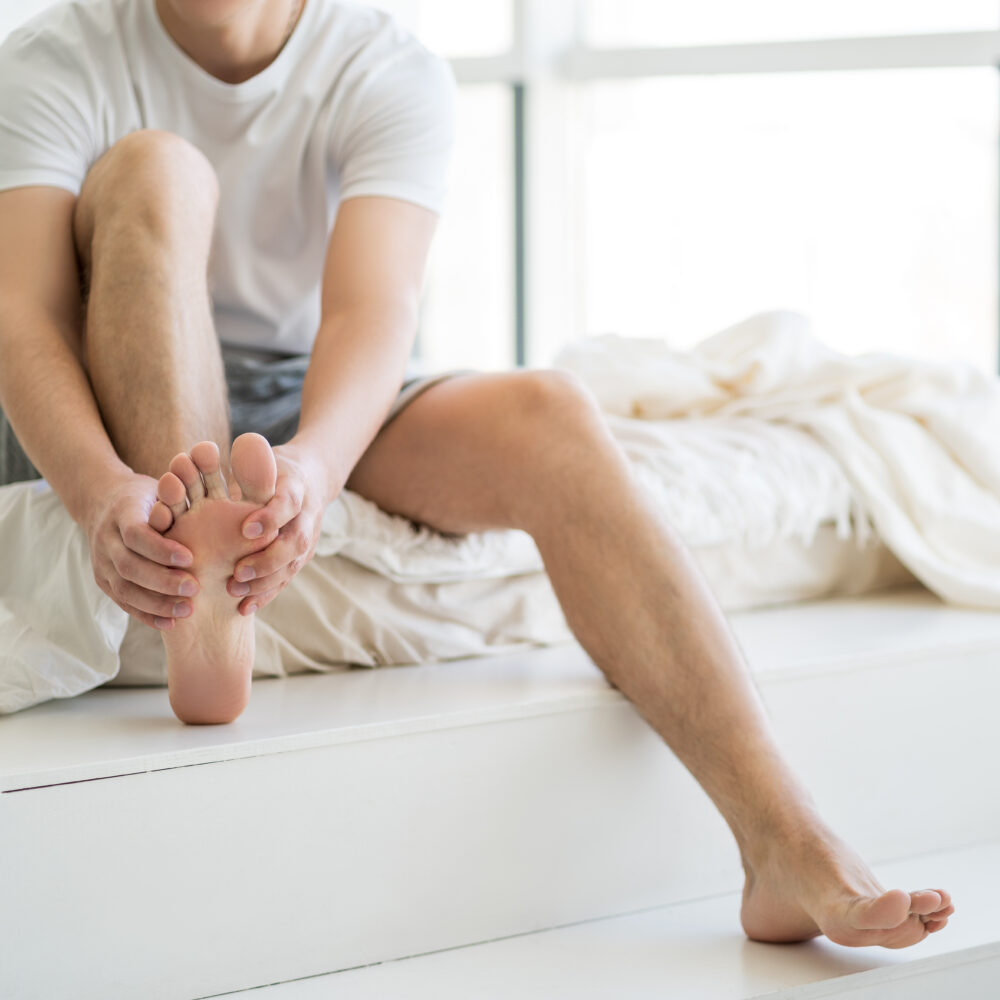
Yes. Achilles discomfort is another common complaint during a barefoot shoe transition.
The Achilles tendon helps transfer force every time you walk, climb stairs, or run. Without a raised heel, the Achilles tendon remains under slightly greater tension throughout normal walking and running, which can contribute to stiffness or soreness during the transition.
People often describe:
- Tightness near the back of the ankle
- Morning stiffness
- Discomfort after exercise
- Tenderness during longer walks
Achilles symptoms deserve attention because continuing to increase activity despite worsening pain can place additional strain on the tendon.
Why Can Heel Pain Develop After Switching Shoes?
Heel pain is one of the more frustrating symptoms because even short walks can become uncomfortable.
One reason heel pain can develop involves the plantar fascia, a thick band of connective tissue that supports the arch and helps distribute force with each step. As movement patterns change, the plantar fascia can be exposed to different stresses than it experienced in conventional footwear.
Pain beneath the heel, pain along the arch, or pain near the Achilles attachment can have different causes. Professional evaluation can help determine what is contributing to symptoms when discomfort continues.
Can You Wear Barefoot Shoes With Flat Feet?
The answer depends on the individual rather than the foot type alone.
Two people with flat feet can have completely different levels of strength, mobility, stability, and activity demands. One person may feel comfortable wearing minimalist shoes, while another struggles with the transition.
Instead of focusing solely on arch shape, it is often more useful to consider how the foot functions during walking, exercise, and daily activities. A healthcare professional can evaluate how your feet function and help determine whether minimalist footwear is appropriate for your individual needs.
What’s Actually Happening Inside the Body?
Barefoot shoes change how different parts of the lower leg and foot share the workload during movement. The comparison below highlights some of the key differences.
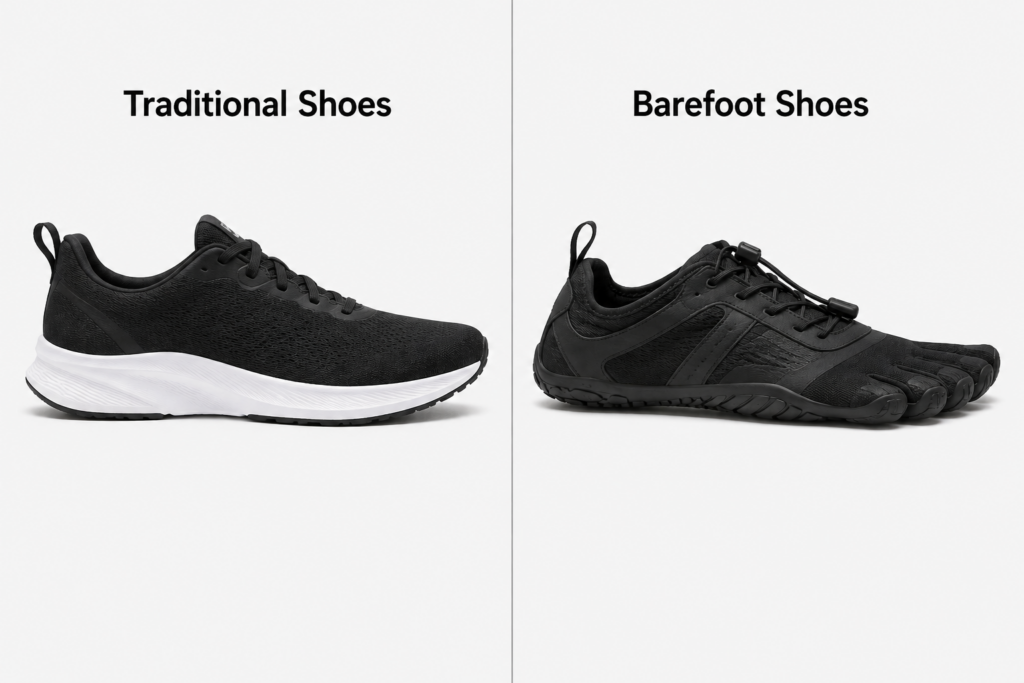
| Traditional Shoes | Barefoot Shoes |
| Elevated heel position | Level platform |
| More cushioning | Greater ground feedback |
| Additional structural support | Increased demand on foot muscles |
| Reduced ankle motion | Increased ankle motion |
These differences change how the muscles, tendons, joints, and connective tissues of the lower leg and foot work together during movement. Understanding these changes helps explain why foot soreness, calf tightness, and Achilles discomfort often occur together during a barefoot shoe transition.
How Long Does Barefoot Shoes Transition Pain Last?
The adjustment period varies from person to person. Factors such as activity level, previous footwear habits, ankle mobility, foot strength, and how quickly someone increases walking or running can all influence how long symptoms last.
When discomfort continues beyond the expected adjustment period or begins interfering with training, walking, or other physical activities, a sports medicine evaluation can help identify contributing factors and determine whether additional support is appropriate.
What Can Make the Transition More Comfortable?
The way someone transitions to barefoot shoes can influence how much soreness they experience. Wearing barefoot shoes for shorter periods at first, gradually increasing walking or running time, and paying attention to persistent symptoms can help the body adapt more comfortably. Individuals who increase activity too quickly are more likely to notice calf tightness, foot fatigue, or Achilles discomfort. While everyone’s experience is different, allowing the body time to adapt can reduce the likelihood of excessive soreness during the transition.
Exercises Commonly Discussed During a Barefoot Shoe Transition
Because barefoot shoes place different demands on the feet, calves, and Achilles tendon, some people include strengthening and mobility exercises as part of their transition. These exercises are commonly discussed in running and rehabilitation settings because they focus on foot control, lower-leg strength, and ankle mobility. However, they are not appropriate for everyone, especially if symptoms are worsening or interfering with daily activities.
Toe Yoga
Toe yoga describes exercises designed to improve coordination and strength in the small muscles of the foot. These movements are often used to support arch stability, balance, and overall foot function during a barefoot shoe transition.
Calf Raises
Calf raises are commonly used to strengthen the calf muscles and improve the lower leg’s ability to adapt to the increased demands of zero-drop footwear. They can also support Achilles tendon loading capacity over time.
Ankle Mobility Exercises
Adequate ankle mobility helps the foot and lower leg move more efficiently during walking and running. Mobility exercises are often incorporated to improve range of motion, support more efficient ankle movement, and reduce unnecessary stress on nearby muscles and tendons.
While these exercises are frequently discussed as part of a barefoot shoe transition, persistent pain, increasing symptoms, or concerns about a possible injury should be evaluated by a qualified healthcare professional.
When Should Barefoot Shoe Pain Be Evaluated?
A professional evaluation can help determine whether symptoms are related to tissue overload, movement mechanics, an underlying foot condition, or another contributing factor.
Symptoms that may warrant further evaluation include:
- Pain that continues getting worse instead of improving
- Symptoms that interfere with walking, work, exercise, or sleep
- Swelling, weakness, or instability
- Persistent discomfort despite reducing activity
Frequently Asked Questions
Should I take a break from barefoot shoes if my feet hurt?
Mild soreness does not always mean you need to stop wearing barefoot shoes. However, if pain continues to worsen, is accompanied by swelling or weakness, or begins affecting your ability to walk or exercise, it’s important to seek a professional evaluation.
Are barefoot shoes bad for your feet?
Not inherently. Barefoot shoes are not harmful for everyone, but they may not be appropriate for every individual. How someone responds depends on factors such as foot strength, mobility, activity level, foot mechanics, and how gradually they transition to minimalist footwear.
Can barefoot shoes cause plantar fasciitis?
Changing footwear alters how force moves through the foot. During the transition to barefoot shoes, some individuals may place greater stress on the plantar fascia, particularly if activity increases too quickly. Persistent heel pain should be evaluated to determine its underlying cause.
Can barefoot shoes strengthen the feet?
Research suggests that minimalist footwear may increase activation of certain foot muscles over time. However, strength gains vary based on factors such as activity level, consistency, and individual foot mechanics.
Foot Pain After Switching to Barefoot Shoes? Understanding Your Next Steps
Transitioning to barefoot shoes changes how the feet, calves, arches, and Achilles tendon handle everyday movement. While many people adjust without significant problems, others experience soreness as these tissues adapt to new demands. Understanding why these symptoms develop can help you recognize when discomfort is consistent with the transition process and when persistent pain should be evaluated.
If calf soreness, foot pain, heel pain, or Achilles discomfort continues beyond the expected transition period, an evaluation can help determine whether your symptoms are related to adapting to barefoot shoes or another underlying foot or ankle condition. The Pain and Injury network connects patients throughout New York, New Jersey, and Connecticut with providers offering injury evaluations, orthopedic care, diagnostic imaging, rehabilitation services, pain management, and physical therapy for foot pain, heel pain, Achilles tendon symptoms, and other lower-extremity conditions.
Call 800-949-6100 or request an appointment online to learn more about available treatment and evaluation options.