
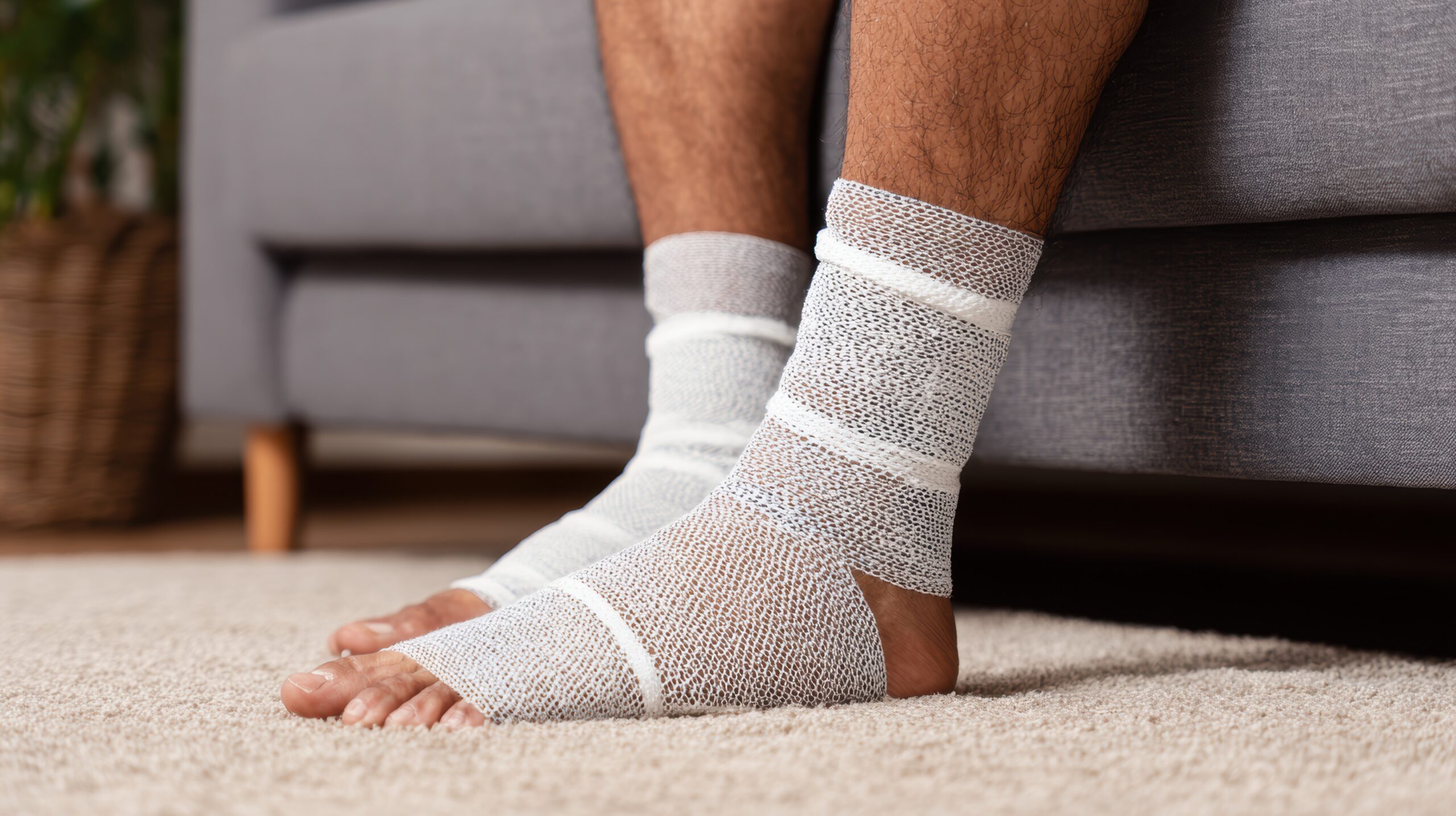
How Long Different Injuries Take to Heal
Recovery time depends on the type of injury, its severity, your overall health, and whether surgery is required. While some injuries improve within a few weeks, others may take several months to heal fully. Understanding typical healing timelines can help set realistic expectations and guide conversations with a healthcare provider.
Recovery Timeline Guide
| Injury | Typical Recovery Time |
| Mild ankle sprain | 1–2 weeks |
| Moderate ankle sprain | 3–6 weeks |
| Pulled muscle | 2–8 weeks |
| Broken wrist | 6–8 weeks |
| Broken ankle | 6–10 weeks |
| Dislocated shoulder | 4–12 weeks |
| ACL surgery | 6–9 months |
| Knee replacement | 3–6 months |
Why Injury Recovery Timelines Vary
One of the first questions many people ask after an injury is, “How long will this take to heal?” While general timelines can be helpful, recovery is rarely the same for every patient.
Several factors influence healing, including the severity of the injury, age, overall health, previous injuries, and whether surgery is required. A mild ankle sprain may improve relatively quickly, while a fracture or ligament reconstruction may require months of healing and rehabilitation.
Factors That May Affect Healing
- Severity of the injury
- Age and overall health
- Previous injuries
- Smoking status
- Bone and tissue health
- Participation in rehabilitation
- Whether surgery is required
This is why recovery estimates should be viewed as general guidelines rather than guarantees, and treatment recommendations should always be individualized.
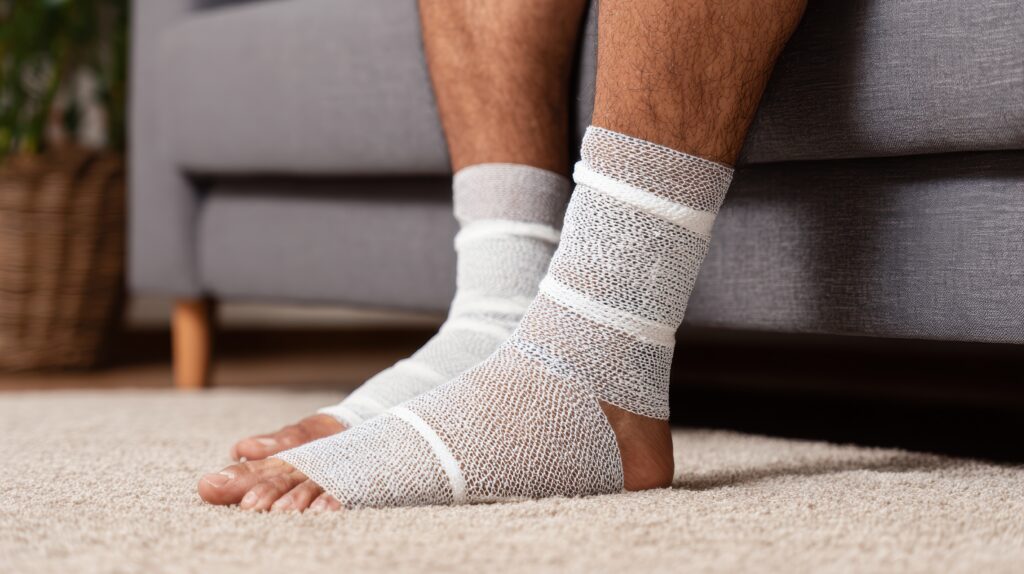
How Long Does a Sprained Ankle Take to Heal?
Many mild ankle sprains improve within 1–2 weeks, while moderate sprains often require 3–6 weeks. Severe ligament injuries can take 12 weeks or longer, particularly when significant instability or tissue damage is involved. Patients experiencing ongoing ankle pain, instability, or difficulty walking may benefit from an evaluation by an orthopedic specialist or physical therapist.
An ankle sprain occurs when one or more ligaments are stretched or torn. Ligaments help stabilize the ankle joint, and recovery depends on the extent of damage, how quickly treatment begins, and whether the injury has occurred before.
What Affects Ankle Sprain Recovery?
Several factors may influence recovery, including the grade of the sprain, previous ankle injuries, activity level, and participation in physical therapy. Patients who return to activity too quickly may experience prolonged symptoms or recurrent sprains.
Can You Walk on a Sprained Ankle?
Some people can walk immediately after a mild sprain, while others have difficulty bearing weight. However, the ability to walk does not necessarily indicate the severity of the injury. Persistent pain, significant swelling, or instability should be evaluated by a healthcare professional.
Can a Sprained Ankle Heal Overnight?
No. Although symptoms such as swelling and discomfort may begin improving within days, ligament healing requires time. Recovery occurs gradually as damaged tissue repairs and strengthens.
How Long Does a Pulled Muscle Take to Heal?
Most muscle strains improve within 2–8 weeks, although more significant tears may require several months of recovery. Mild strains generally heal faster than injuries involving larger muscle groups or extensive tissue damage.
Muscle strains occur when muscle fibers are overstretched or torn. Recovery often involves activity modification, progressive rehabilitation, and a gradual return to normal movement.
Recovery Times for Common Muscle Injuries
| Muscle Injury | Typical Recovery Time |
| Pulled neck muscle | 1–4 weeks |
| Hip flexor strain | 2–6 weeks |
| Back strain | 2–12 weeks |
| Lower back strain | Up to 8 weeks |
| Torn back muscle | 6–12 weeks |
Why Muscle Recovery Can Vary
Recovery depends on the extent of muscle damage, age, circulation, overall conditioning, and whether additional injuries are present. Some patients recover quickly, while others require longer rehabilitation to restore strength and mobility.

How Long Does a Broken Wrist Take to Heal?
Many uncomplicated wrist fractures heal within approximately 6–8 weeks. However, more complex fractures or injuries requiring surgery may take longer to recover.
A broken wrist is one of the most common fractures following falls, sports injuries, and workplace accidents. While X-rays may show healing within weeks, strength, flexibility, and function may continue improving for several months.
What Can Affect Wrist Fracture Recovery?
Recovery may depend on fracture location, whether the injury extends into the joint, bone quality, age, and whether surgery is necessary. Following immobilization and rehabilitation recommendations may support proper healing.
How Long Does a Broken Ankle Take to Heal?
A broken ankle typically requires 6–10 weeks for initial healing, although recovery may take longer if surgery is required or if the fracture affects the joint surface.
Unlike a sprain, a fracture involves damage to the bone itself. Because the ankle is responsible for supporting body weight during walking and daily activities, healing often requires careful progression back to activity.
What Happens During Bone Healing?
Bone healing occurs in stages. The body first creates an inflammatory response around the fracture site. A temporary soft callus then forms, followed by stronger bone development and eventual remodeling. Furthermore, this remodeling process may continue long after symptoms begin to improve.
When Does a Broken Ankle Need Surgery?
Not every ankle fracture requires surgery. Surgical treatment may be considered when bones are significantly displaced, the joint becomes unstable, or proper alignment cannot be maintained through non-surgical treatment.
How Long Does a Dislocated Shoulder Take to Heal?
Recovery from a dislocated shoulder often takes 4–12 weeks, although some patients require longer rehabilitation or surgical stabilization.
A shoulder dislocation occurs when the upper arm bone moves out of the shoulder socket. The injury can affect surrounding ligaments, muscles, tendons, and cartilage, all of which influence recovery.
Why Some Shoulder Dislocations Take Longer to Recover
Recovery may take longer when there is significant soft tissue damage, recurrent instability, nerve involvement, or a need for surgery. Younger athletes may also have a higher risk of future dislocations.

How Long Does It Take to Heal From Knee Surgery?
Recovery after knee surgery depends on the specific procedure performed. Some minimally invasive procedures allow patients to resume daily activities relatively quickly, while reconstructive procedures may require several months of rehabilitation.
Recovery Timelines by Procedure
| Procedure | Typical Recovery Timeline |
| Arthroscopic Knee Surgery | 4–6 weeks |
| ACL Reconstruction | 6–9 months |
| Knee Replacement | 3–6 months |
Why Recovery Differs Between Procedures
Every procedure addresses different tissues within the knee. Recovery may depend on healing requirements, swelling, range of motion, muscle strength, and rehabilitation progress.
Returning to Activity Too Soon Can Delay Recovery
One of the most common misconceptions about injury recovery is that reduced pain means healing is complete.
In reality, many tissues continue healing long after symptoms improve. Ligaments, tendons, muscles, and bones all recover at different rates. Returning to sports, exercise, or physically demanding work too soon may increase the risk of reinjury.
Healthcare providers often evaluate mobility, strength, stability, and function before discussing a safe return to activity.

When Should You See a Doctor for an Injury?
A medical evaluation may be appropriate if you experience:
- Inability to bear weight
- Significant swelling
- Visible deformity
- Persistent pain
- Numbness or tingling
- Symptoms that continue worsening
Additionally, prompt evaluation may help identify fractures, ligament injuries, dislocations, or other conditions requiring treatment.
Frequently Asked Questions
How long does a twisted ankle take to heal?
Many mild ankle sprains improve within 1–2 weeks, while more significant ligament injuries may require several weeks or months to recover. Additionally, healing depends on the severity of the injury and individual recovery factors.
How long does a broken wrist take to heal?
Most uncomplicated wrist fractures heal within approximately 6–8 weeks. More complex fractures or injuries requiring surgery may require longer recovery.
How long does a pulled muscle take to heal?
Many muscle strains improve within 2–6 weeks. More severe muscle tears may require several months of rehabilitation.
What helps a sprained ankle heal faster?
Appropriate treatment, activity modification, rehabilitation, and following medical recommendations may support recovery. Treatment plans vary depending on the injury and patient needs.
When should I see a doctor about an injury?
Medical evaluation may be appropriate if you experience severe pain, inability to bear weight, significant swelling, numbness, visible deformity, or symptoms that continue worsening.
Can you walk on a sprained ankle?
Some people can walk on a mild ankle sprain, while others have difficulty bearing weight. The ability to walk does not always reflect the severity of the injury. Persistent pain, instability, or difficulty walking should be evaluated by a healthcare professional.
Understanding Recovery Timelines and Finding the Right Care
Healing timelines provide a general framework, but every injury is unique. Factors such as injury severity, age, overall health, and treatment approach all influence recovery.
If pain, limited mobility, or an injury is affecting your daily activities, the providers throughout the Pain and Injury network can help evaluate your condition and discuss treatment options tailored to your needs.
Whether you’re recovering from a sprained ankle, muscle injury, fracture, dislocation, or surgery, timely evaluation may help clarify the next steps in your recovery. For more information about available treatment options, contact Pain and Injury at 800-949-6100 or request an appointment online.
This blog from Pain and Injury is intended for educational purposes only. It is not a substitute for professional medical advice, diagnosis, or treatment. Patient recovery is not guaranteed, and each patient’s results may vary. Always consult a qualified healthcare professional for a personalized care plan.