

Most Common Soccer Injuries: Symptoms, Recovery Considerations, and When to Seek Evaluation

Soccer injuries can happen in a single moment or develop gradually over the course of a season. A player finishes a match thinking everything feels normal, only to wake up the next day with knee pain, ankle swelling, hamstring tightness, or difficulty moving comfortably.
Parents, athletes, and coaches often wonder whether symptoms are simply part of the game or a sign that something more significant may have occurred. While some soreness can be expected after intense activity, persistent pain, swelling, instability, or limited mobility may warrant professional evaluation.
As excitement builds around international competitions such as the FIFA World Cup, many fans will hear about professional athletes dealing with injuries. However, the same types of soccer injuries affect youth athletes, recreational players, and weekend competitors throughout New York, New Jersey, and Connecticut.
Quick Summary
- Soccer injuries often affect the lower body due to running, cutting, and pivoting movements.
- Different playing positions are associated with different injury patterns.
- Some symptoms may not appear until hours after a game or practice.
- Early evaluation sometimes helps identify injuries affecting daily activities or sports participation.
What Are the Most Common Soccer Injuries?
Soccer places significant demands on the musculoskeletal system. Players repeatedly accelerate, decelerate, pivot, and change direction throughout a match. As a result, these movements create stress on muscles, tendons, ligaments, and joints.
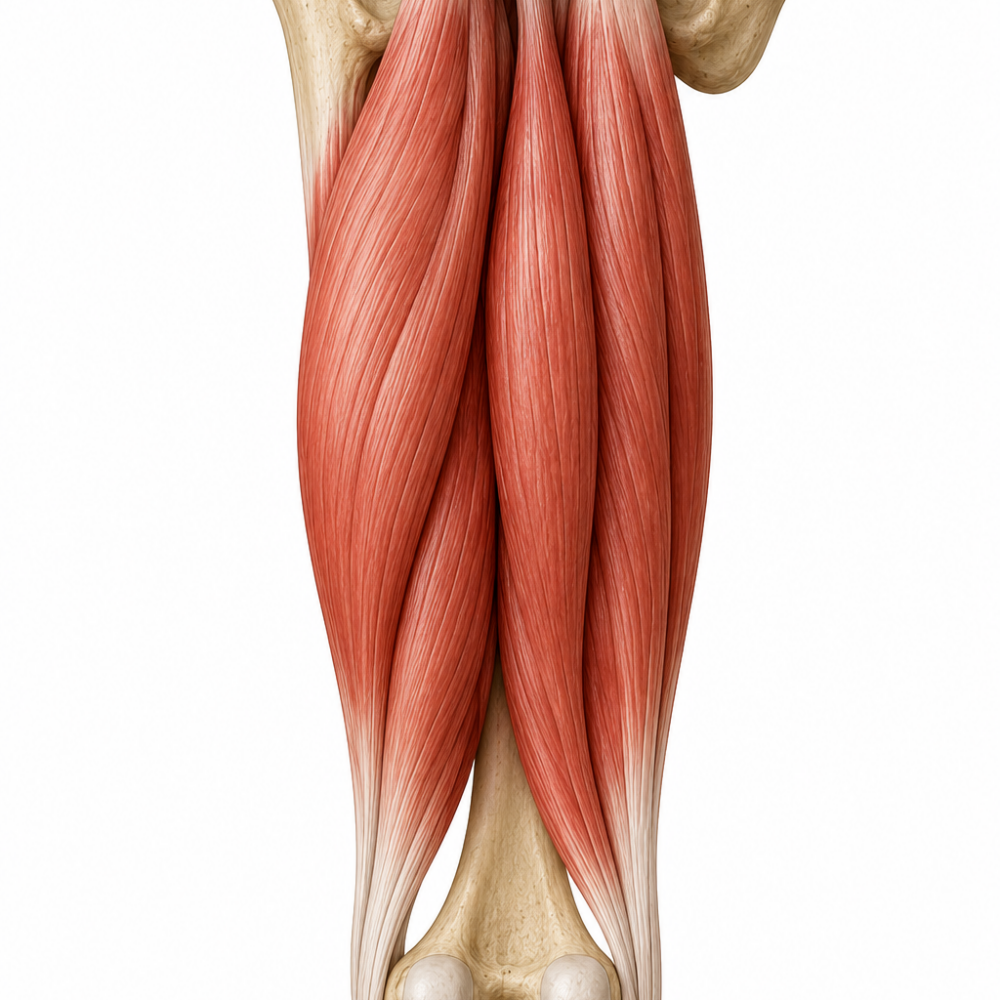
Hamstring Strains
Hamstring strains often happen during full-speed sprints rather than player contact. Research has shown that the hamstring muscles experience some of their highest loads during the final phase of sprinting when the leg prepares to strike the ground. Consequently, this helps explain why forwards and attacking players frequently experience hamstring injuries during breakaway runs or sudden accelerations.
Common symptoms include sudden discomfort in the back of the thigh, tightness, weakness, or difficulty running at full speed.
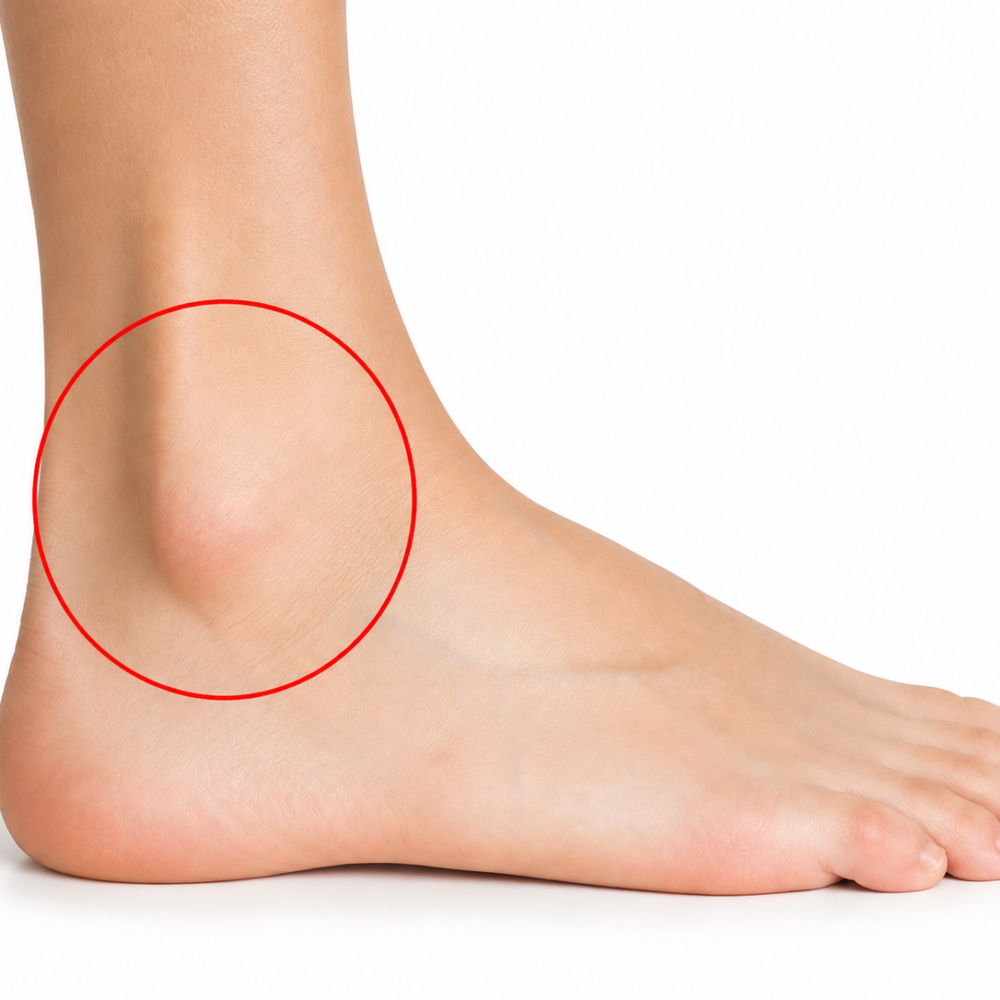
Ankle Sprains
Ankle sprains are among the most common injuries in soccer because the ankle must absorb force during cutting, pivoting, landing, and tackling situations. While many athletes view ankle sprains as minor injuries, repeated sprains may contribute to lingering instability and changes in movement patterns.
Depending on the severity, symptoms often include swelling, bruising, instability, or discomfort when walking.
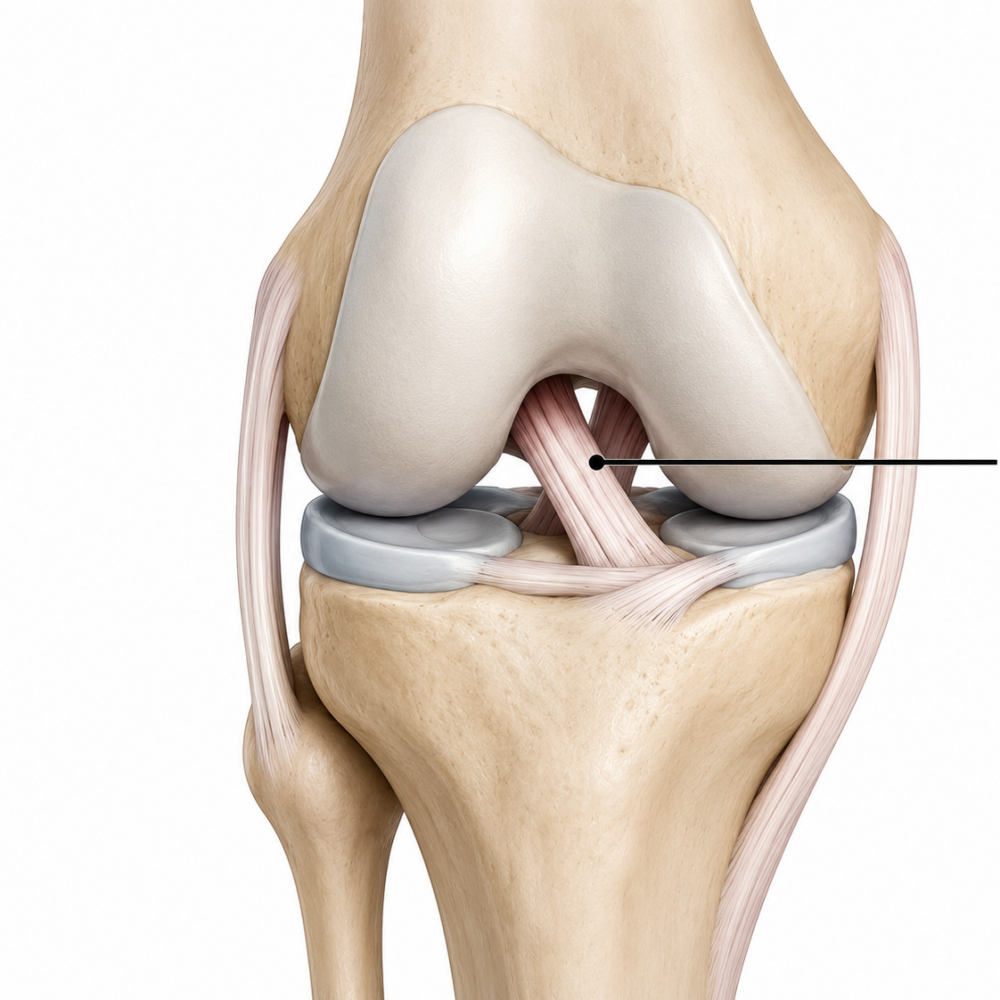
ACL Injuries
One of the most surprising facts about ACL injuries is that many occur without direct contact from another player. A sudden pivot, awkward landing, or rapid deceleration may place enough force through the knee to injure the ligament. This is why ACL injuries can happen during routine soccer movements as well as collisions.
Not all ACL injuries involve direct contact. In many cases, the injury occurs during a sudden movement without another player making contact.
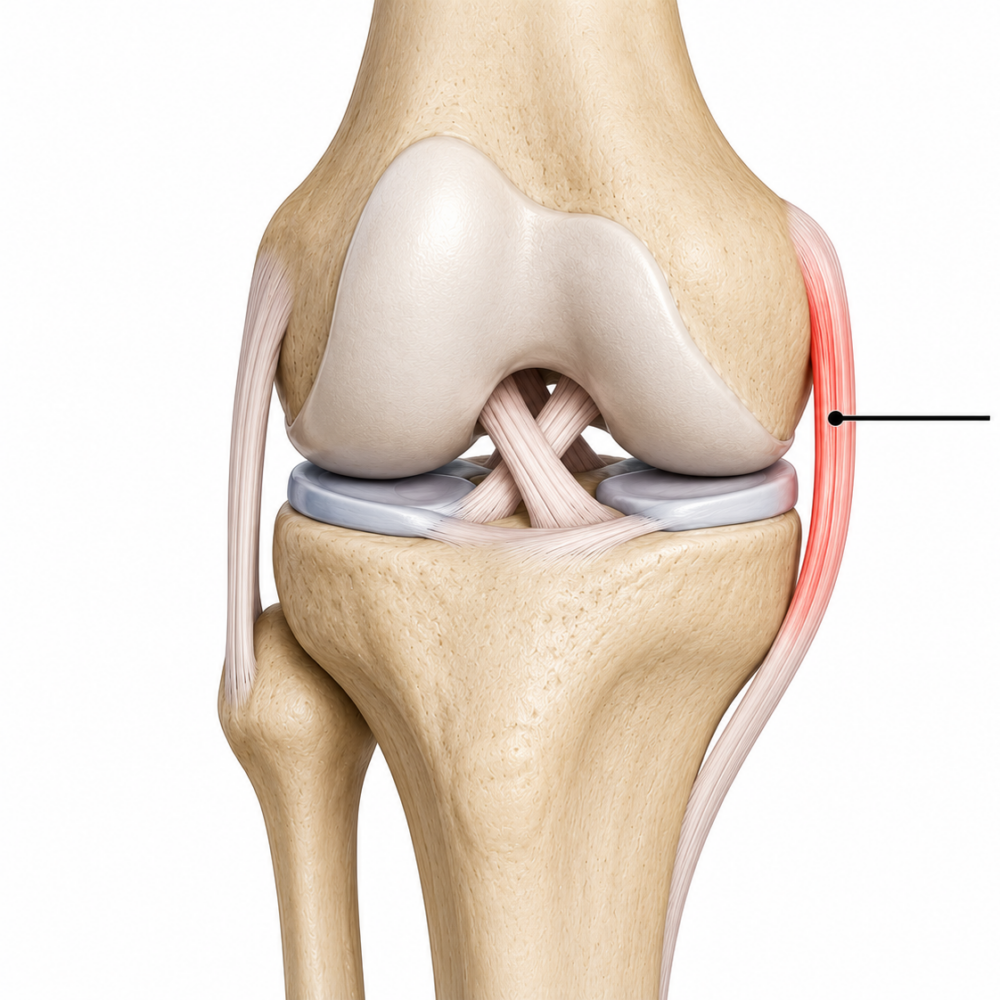
MCL Sprains
The medial collateral ligament, or MCL, is located on the inside of the knee. MCL sprains often occur after a collision or force applied to the outside of the knee.
Generally, players often notice pain along the inner knee and difficulty with cutting or pivoting movements.
Shin Splints
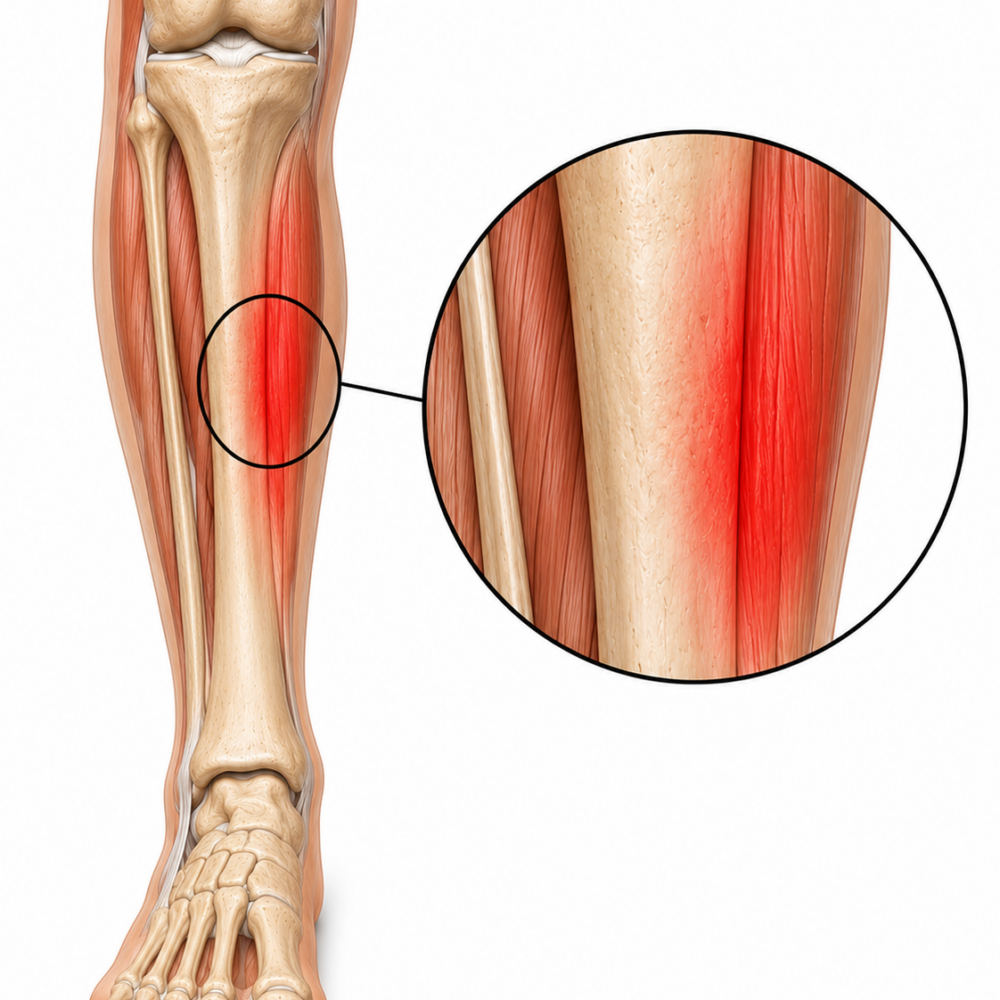
Shin splints frequently develop when training demands increase faster than the body can adapt. Preseason conditioning, tournament schedules, and periods of increased running volume can place additional stress on the lower leg. Symptoms often begin as mild soreness before becoming more noticeable during or after activity.

Concussions
Concussion symptoms are not always obvious immediately after an impact. While some athletes experience immediate symptoms, others also notice headaches, dizziness, concentration difficulties, sensitivity to light, or balance problems later. Because symptoms vary from person to person, any suspected head injury should be taken seriously.
Why Soccer Places Unique Stress on the Body
Not all soccer players place stress on the body in the same way. Injury patterns often vary based on position, movement demands, and playing style.
Forwards and Wingers
Forwards and wingers perform the highest volume of explosive sprints. Because of this, they experience a greater risk of hamstring strains, ankle injuries, and muscle-related injuries associated with rapid acceleration and deceleration.
Midfielders
Midfielders typically cover more ground than any other position. Consequently, the repetitive running demands may increase the risk of overuse conditions such as shin splints, tendon irritation, and lower-extremity fatigue.
Defenders
Defenders frequently engage in physical challenges, tackles, and aerial contests. As a result, these situations expose players to a greater risk of contact-related injuries involving the knees, ankles, and shoulders.
Goalkeepers
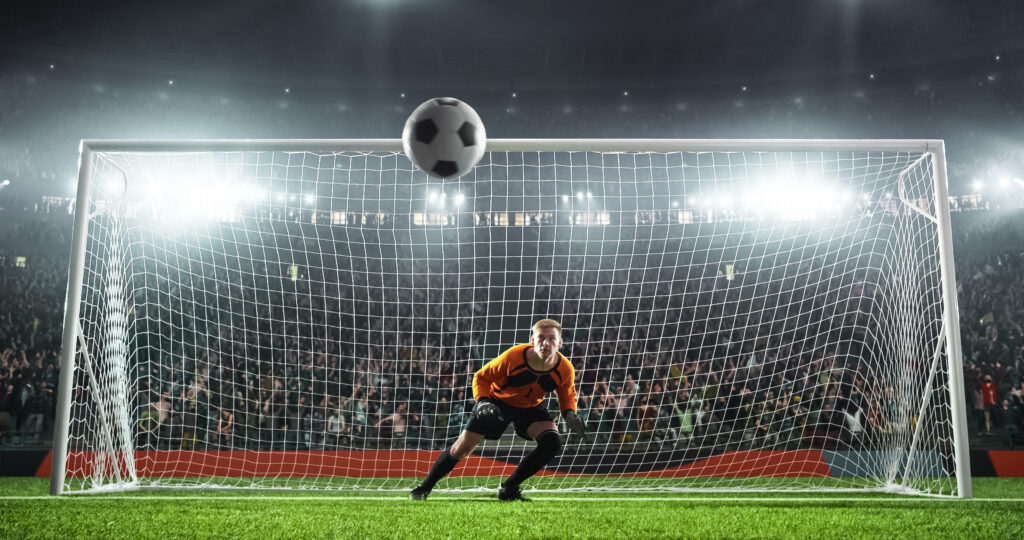
Goalkeepers face a unique injury profile. Specifically, diving, landing, and collisions place additional stress on the shoulders, wrists, and upper body.
Can Soccer Injuries Show Up Later?
Yes. Not every soccer injury causes immediate symptoms. Adrenaline and the intensity of competition can sometimes mask pain during a game, while inflammation, swelling, or soft tissue irritation may become more noticeable after the match. As a result, delayed symptoms are commonly reported after collisions, falls, sudden twists, or repetitive stress from play.
Many athletes feel relatively normal immediately after a game only to experience pain, swelling, stiffness, or reduced mobility the next day. In some cases, these symptoms are related to normal post-exercise soreness. However, in others, they may indicate an injury that has become more apparent as the body responds to physical stress.
If symptoms worsen, persist, or begin interfering with work, exercise, sleep, or daily activities, a professional evaluation may help determine the cause.
Which Symptoms Should Not Be Ignored?
Certain symptoms indicate that additional evaluation is appropriate.
| Symptom | Why Evaluation Is Often Recommended |
| Persistent swelling | Tissue irritation or injury may be present |
| Joint instability | Movement and function are affected |
| Limited range of motion | Daily activities become more difficult |
| Ongoing pain | An underlying injury should be evaluated |
| Weakness | Performance and mobility are reduced |
| Difficulty bearing weight | Additional assessment is often appropriate |
How Physical Therapy and Rehabilitation May Support Recovery
Modern rehabilitation focuses on more than simply reducing symptoms. Instead, the goal is to improve movement quality, strength, flexibility, balance, and overall function so athletes can safely return to activity.
Additionally, healthcare providers often use objective measures to assess progress and determine whether an individual is ready to return to activity. Research involving soccer athletes has highlighted the importance of structured progression rather than returning to sport based solely on symptom improvement. Overall, the specific approach depends on the injury, activity level, and individual goals.
Can Soccer Injuries Be Prevented?
No strategy can eliminate injury risk completely. However, proper conditioning, strength training, movement preparation, and neuromuscular training can support safer movement and may lower the risk of certain soccer injuries.
One well-studied soccer injury-prevention program is the FIFA 11+ warm-up program. Additionally, research has linked structured warm-up routines with better movement control and a reduced risk of some lower-extremity injuries.
In particular, consistent preparation is especially important for recreational athletes who play often but may not train regularly between games.
When Should You Consider Medical Evaluation?
Some aches and soreness can improve naturally after activity. However, symptoms that continue or interfere with normal function may warrant professional evaluation.
Situations That May Prompt Evaluation
- Pain that does not improve
- Swelling that persists
- Difficulty walking or running
- Joint instability
Therefore, early evaluation may help identify injuries and guide appropriate next steps.
Frequently Asked Questions
What is the most common soccer injury?
Hamstring strains and ankle sprains are among the most common soccer injuries seen across all levels of play.
Can soccer injuries appear the next day?
Yes. Inflammation and tissue irritation can become more noticeable several hours after activity.
Are ACL injuries common in soccer?
ACL injuries are one of the most recognized soccer injuries because they can occur during cutting, pivoting, and landing movements.
How long does a soccer injury take to heal?
Recovery varies depending on the injury, severity, overall health, and activity demands. Therefore, timelines differ from person to person.
Should I play through soccer pain?
Persistent pain, swelling, instability, or movement limitations should not be ignored. Instead, a healthcare professional can help determine whether evaluation is appropriate.
Can groin pain from soccer become a long-term problem?
Groin discomfort sometimes develops gradually from repetitive kicking, sprinting, and directional changes. For this reason, symptoms that continue to return, worsen over time, or interfere with sports participation should be evaluated by a healthcare professional to help identify the underlying cause.
Is a Soccer Injury Affecting Your Ability to Stay Active?
Not every soccer injury causes immediate symptoms, and some athletes try to push through pain, swelling, or instability in hopes that it will improve on its own. However, persistent symptoms can sometimes affect mobility, athletic performance, work responsibilities, and everyday activities. A professional evaluation can help identify the structures involved and determine the most appropriate next steps based on your individual needs.
The Pain and Injury network connects patients throughout New York, New Jersey, and Connecticut with providers offering sports medicine evaluations, orthopedic care, diagnostic imaging, physical medicine and rehabilitation, pain management, and physical therapy for sports-related injuries.
Call 800-949-6100 or request an appointment online to learn more about available evaluation and treatment options.
This blog from Pain and Injury is intended for educational purposes only. It is not a substitute for professional medical advice, diagnosis, or treatment. Patient recovery is not guaranteed, and each patient’s results may vary. Always consult a qualified healthcare professional for a personalized care plan.