

Ebike Accident Safety: What to Do After an Electric Bike Injury

Electric bikes, also known as ebikes, have quickly become part of everyday life across big cities like those in New York and New Jersey. Whether you’re commuting to work, work making deliveries, or enjoying a ride through the city, ebikes offer convenience and flexibility that traditional transportation often can’t match.
At the same time, ebike accident rates have increased in busy urban areas, where higher speeds and heavier bike frames may contribute to more serious injuries. For many riders, what starts as a normal trip can change in an instant. An unexpected ebike accident can leave you dealing with pain, uncertainty, and questions about what to do next—especially when symptoms don’t always appear right away.
As ebike use continues to grow, so do reports of ebike injuries and related accidents. Understanding electric bike safety is not just about prevention—it’s also about being prepared. Knowing how to respond after an accident, what symptoms to pay attention to, and when to seek care can help you make more informed decisions about your health and recovery.
At a Glance: Ebike Accident Safety
- Ebike injuries may include sprains, fractures, back or neck discomfort, and skin injuries.
- Symptoms after an ebike accident can appear hours or days later.
- Seeking a medical evaluation may help identify injuries that are not immediately obvious.
- Documenting the accident scene and monitoring symptoms may help guide next steps after a crash.
Why Ebike Safety Matters More Than Ever
Ebikes can travel at higher speeds and often weigh more than traditional bicycles. While a standard bicycle may weigh around 20 pounds, many ebikes range between 50 and 80 pounds or more. Because of this, collisions may involve greater force, which can increase the risk of certain bike accident injuries. In some cases, higher speeds may be associated with more complex lower leg injuries, including tibia and fibula fractures, particularly if a rider attempts to brace by placing their feet on the ground during a fall.
Research from the National Library of Medicine suggests that accidents involving ebikes and similar small electric vehicles may involve higher-energy impacts compared to traditional cycling, which can influence the types of injuries that may occur.
In urban environments, where traffic congestion and shared roadways are common, riders, pedestrians, and drivers may all be affected. As ebike use continues to grow, understanding electric bike safety has become increasingly important.
Common Ebike Injuries After an Accident
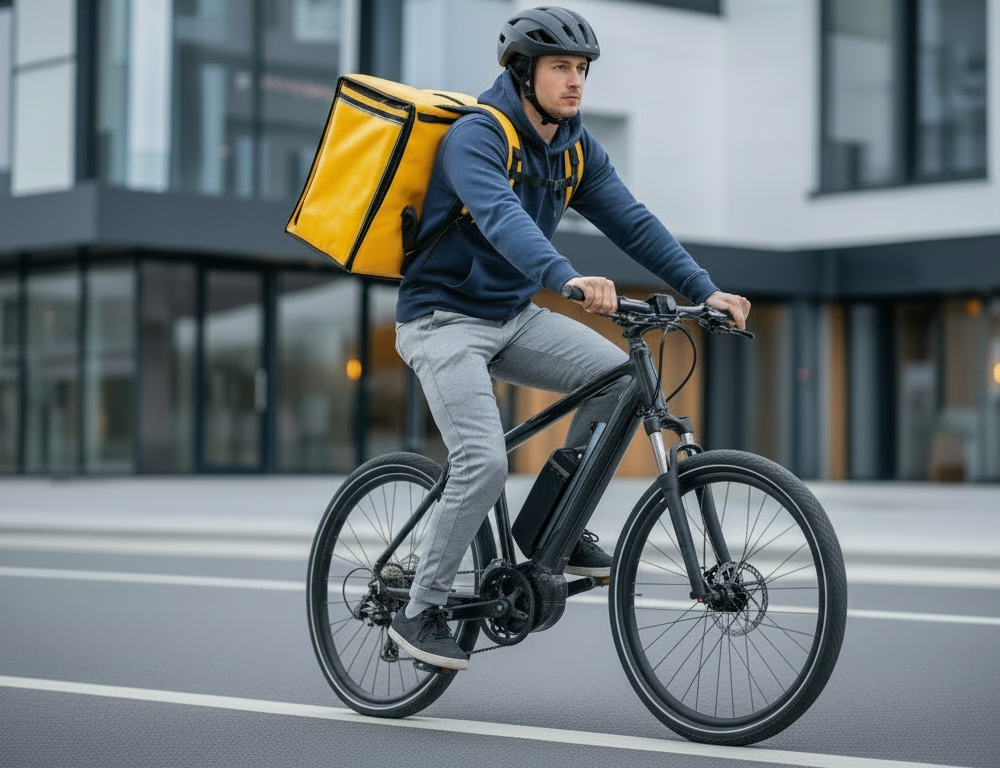
After an ebike accident, injuries can vary, and some ebike accident injuries may require follow-up care depending on severity. Some of the most reported ebike injuries include:
- Sprains and strains affecting muscles and ligaments
- Fractures involving the wrist, arm, or leg
- Back or neck discomfort following impact
- Skin injuries such as abrasions or road rash
These common bike injuries may not always be immediately noticeable. In some cases, symptoms can appear hours or even days later.
Electric Bike Safety Tips to Help Reduce Risk
Practicing consistent ebike safety habits may help reduce the risk of accidents. Consider these electric bike safety tips:
- Wear visible and properly fitted protective gear
- Follow traffic signals and local roadway rules
- Stay alert in crowded or high-speed areas
- Keep a safe distance from vehicles and obstacles
Performing a basic pre-ride check—such as confirming tire pressure, brakes, and visibility—may also help reduce the risk of mechanical issues while riding.
In New York City, ebike riders are generally required to follow a 15-mph speed limit on city streets. Following local speed regulations may help reduce the risk of accidents, especially in high-traffic areas.
Using proper electric bike safety equipment, such as lights and reflectors, may also improve visibility. In addition, understanding ebike helmet laws in your area can help ensure compliance and safety.
What to Do After an Ebike Accident
Knowing what to do after an ebike accident can help you take appropriate next steps:
- Move to a safe area if you are able
- Seek a medical evaluation, even for mild symptoms
- Document the scene and gather information
- Monitor your condition and follow up if symptoms develop
Taking these steps may help ensure that potential ebike accident injuries are properly evaluated, even when symptoms are not immediately visible, while also helping guide next steps if symptoms worsen over time.
When Should You Seek Medical Attention?
Some injuries may not be obvious right away. You may consider seeking care if you notice:
- Persistent or worsening pain
- Reduced range of motion
- Swelling or visible bruising
- Difficulty performing everyday activities
A medical evaluation can help determine whether additional care, such as imaging or physical therapy, may be appropriate.
Understanding Insurance After an Ebike Accident
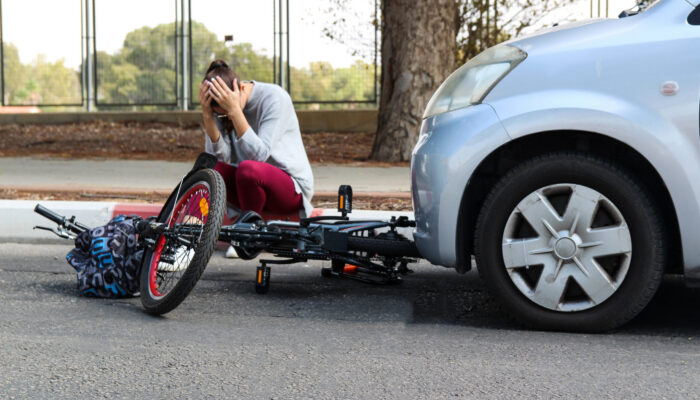
After an ebike accident, questions about insurance coverage may come up, especially if another vehicle is involved. In some situations, medical care may be covered through auto-related insurance policies or other available benefits, depending on the circumstances. If you are a delivery carrier and you were working when on the e-bike, workers’ compensation may also play a role here and may provide coverage for your medical care.
There may also be time-sensitive requirements related to insurance coverage. Because of this, seeking a medical evaluation and documenting injuries as soon as possible may help support next steps and avoid delays in addressing both care and administrative processes.
Requirements and coverage options can vary between New York and New Jersey, so understanding your situation early may help you move forward with greater clarity.
Frequently Asked Questions
What are common injuries from an ebike accident?
Ebike accidents may lead to injuries such as sprains, fractures, or back and neck discomfort. The type and severity can vary depending on the impact and how the accident occurred.
Are ebike accidents increasing?
As ebike use continues to grow in urban areas, reports suggest that accident-related injuries are becoming more common, particularly in high-traffic environments.
Do I need to follow helmet laws on an ebike?
Helmet requirements can vary depending on the state, type of ebike, and how it is used. Reviewing local regulations may help ensure compliance and support safer riding.
Understanding Your Next Steps After an Ebike Accident
While understanding ebike safety can help reduce risk, knowing what to do after an accident is just as important. If pain, stiffness, or limited movement continues after an ebike accident, learning more about your options may help you move forward with greater clarity.
PainandInjury.com connects patients with a network of board-certified providers who evaluate accident-related injuries and how they may affect daily function, including work-related activities, and help guide next steps in care.
To learn more, contact Pain and Injury at 800-949-6100 or request an appointment.