
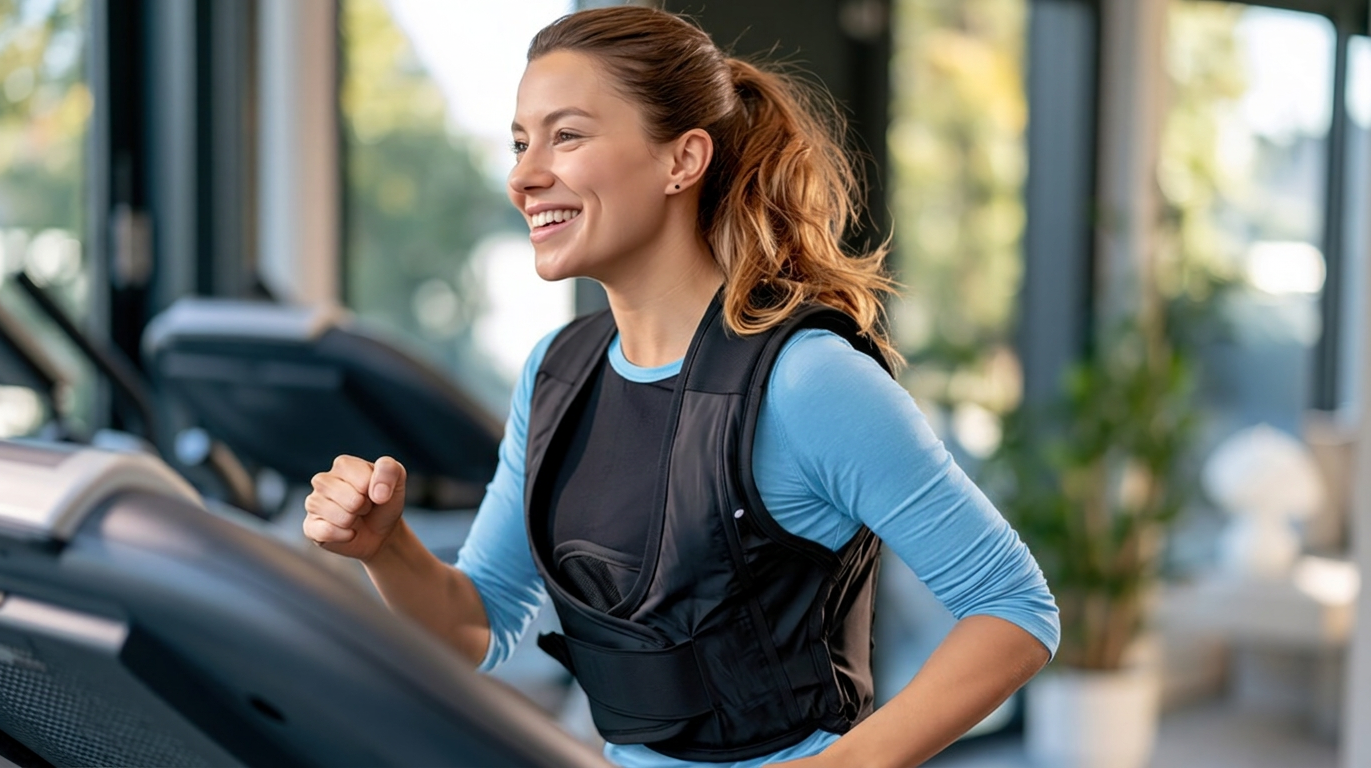
Weighted Vest Walking: Benefits, Risks, and Is It Right for You?
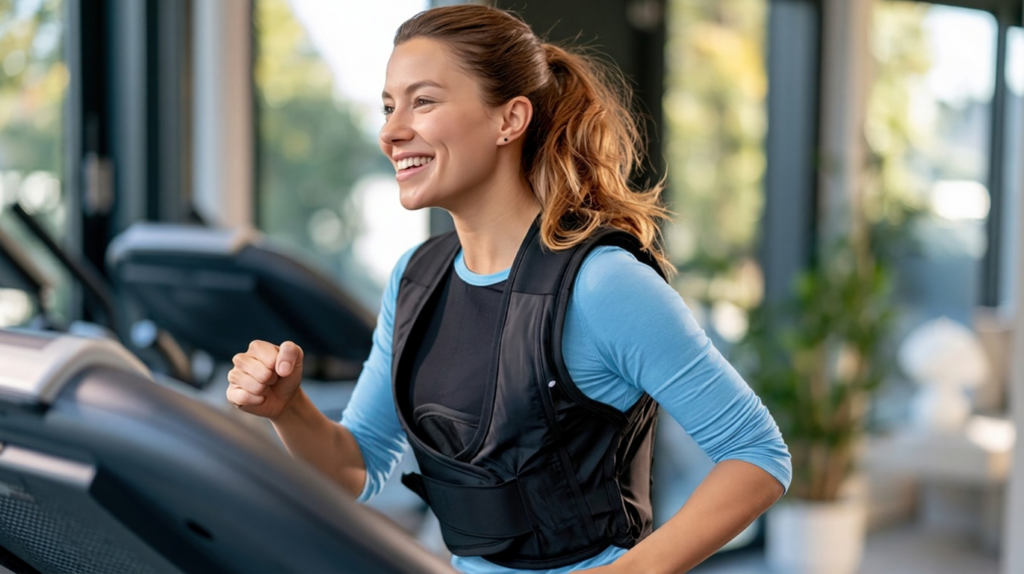
It’s the same walk around the neighborhood, the same route, and the same pace. But with a weighted vest on, that small hill at the end of the block suddenly feels steeper. If you’re thinking about buying one, the question is whether that extra challenge will help you reach your activity goals. A vest can increase the effort of walking, but it also adds load to the joints and spine. Understanding the potential benefits, the risks, and how to choose the right weight can help you decide whether it belongs in your routine.
Quick Answer
Walking with a weighted vest adds resistance to an everyday activity. Additionally, research suggests it can increase calories burned under certain walking conditions. But the extra load is not right for everyone, and the vest’s fit and weight are worth considering before buying one.
What You’ll Learn
- Whether a weighted vest is worth buying
- What a weighted vest can and can’t do
- How a weighted vest may support weight-management goals
- How a weighted vest can lead to back pain and other injuries
- How heavy a weighted vest should be
- When pain from a weighted vest should be evaluated
What Are the Benefits of Walking with a Weighted Vest?
A weighted vest can make an everyday walk more challenging without changing the activity itself. The added resistance can increase the effort required with each step, especially on hills or an incline. For someone who already walks comfortably, it can also be one way to add variety and intensity.
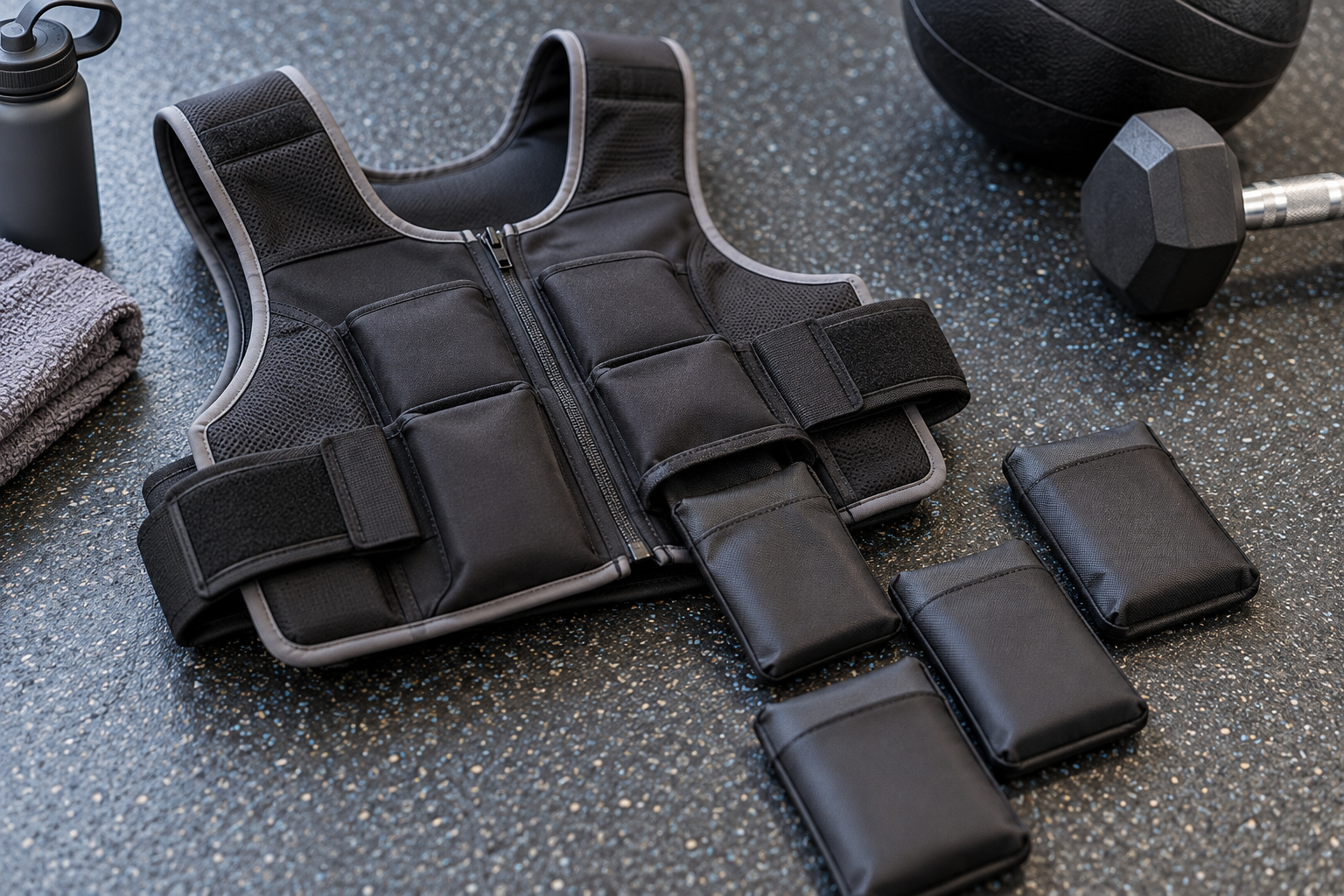
However, a vest is optional, not a requirement for an effective walk. Its value depends on your goals, comfort, and ability to carry extra weight without changing your posture or walking form. Before buying, compare fit, comfort, and whether the vest has removable weights. After all, a heavier model is not automatically a better choice.
What Can a Weighted Vest Actually Do?
A weighted vest adds load to each step, so the body has to work harder to cover the same distance. That extra effort can raise heart rate and increase the number of calories burned.
The amount of extra effort depends on the vest weight, walking speed, and incline. Inclines can increase the challenge without requiring a heavier vest.
A vest also changes how much weight you carry on a walk. That is different from a full strength-training routine, which can involve a wider range of movements and muscle groups.
Can Walking With a Weighted Vest Help With Weight Loss?
Walking with a weighted vest can increase the number of calories burned during exercise, making it one way to add intensity to a regular walking routine.
Research from the American Council on Exercise found that walkers wearing a vest equal to 10% of their body weight burned approximately 13% more calories while walking at 2.5 mph on a 5%–10% incline than when walking without one.
That extra effort can support weight-management goals over time, alongside regular activity and nutrition. The study measured calories burned during walking, not how much weight participants lost.
Added weight also changes the load carried by the body. People with an existing medical condition or concerns about exercise can ask their healthcare professional whether a weighted vest is appropriate for them.
Can a Weighted Vest Cause Back Pain or Other Injuries?
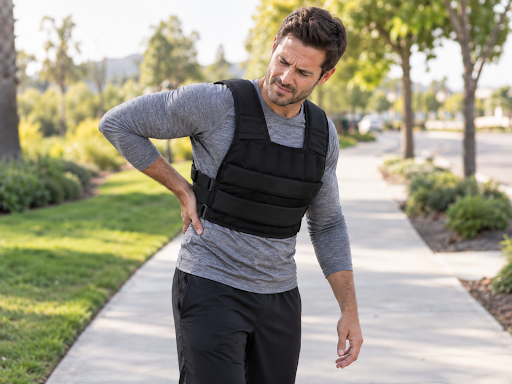
A weighted vest adds load, and a poor fit can make walking less comfortable. Extra weight or a vest that shifts while moving may change posture or walking form. The potential for discomfort is one reason to consider fit and weight before purchasing.
Where added weight may be noticeable
| Body area | Why this area carries extra load | Possible discomfort |
| Lower back | Extra load on the spine, especially with a forward lean | Aching or stiffness |
| Neck and upper back | Too much weight pulling down on the shoulders | Tight, sore muscles between the shoulders or up the neck |
| Hips | More force through the joint with every step | Hip discomfort |
| Knees | Extra pounds on each step, especially going downhill | Knee discomfort |
| Feet and ankles | More pressure on the feet during long walks | Heel or arch pain |
| Muscles | Doing too much, too soon | Muscle soreness |
A vest also shifts where the body’s weight sits, which can make balance more challenging. A shifting vest may also affect balance during quick movements or changes of direction.
For this reason, anyone with existing back, hip, or knee concerns may want to discuss added exercise weight with a healthcare professional.
How Heavy Should a Weighted Vest Be?
Published guidance varies. UCLA Health discusses around 5% of body weight as a lighter starting point, while Harvard Health describes 10% as a common upper guideline. For someone weighing 150 pounds, those figures equal 7.5 and 15 pounds. However, the chart is a math reference for comparing vest sizes—not a recommendation for how much any individual should carry. Adjustable models may offer more flexibility than fixed-weight vests.
| Body Weight | 5% of Body Weight | 10% of Body Weight |
| 100–119 lbs | 5–6 lbs | 10–12 lbs |
| 120–139 lbs | 6–7 lbs | 12–14 lbs |
| 140–159 lbs | 7–8 lbs | 14–16 lbs |
| 160–179 lbs | 8–9 lbs | 16–18 lbs |
| 180–199 lbs | 9–10 lbs | 18–20 lbs |
| 200–219 lbs | 10–11 lbs | 20–22 lbs |
| 220–239 lbs | 11–12 lbs | 22–24 lbs |
| 240–259 lbs | 12–13 lbs | 24–26 lbs |
What to consider before wearing a vest
- Fit and movement. Does the vest sit comfortably without shifting or bouncing?
- Comfort. How does the vest feel during an ordinary walk?
- Activity. Walking speed, distance, incline, and vest weight all affect how demanding a walk feels.
- Adjustability. Can the vest weight be changed without buying a different model?
- Fit across the shoulders. Is weight distributed comfortably?
- Movement. Does the added load noticeably change how you naturally walk?
Is Weighted Vest Walking Better Indoors or Outdoors?
Both can work. Outdoor walking offers fresh air and varied terrain, but heat, wet pavement, and uneven trails can make wearing a vest less comfortable or increase the risk of losing balance.
A treadmill offers a flat, steady surface and makes it easy to control speed and incline. A small incline can raise the challenge without adding more weight. Starting at a comfortable pace can help the body adjust before picking up speed.

When Should Pain From a Weighted Vest Be Checked?
Not every ache after activity means an injury. But persistent, worsening, or unusual symptoms deserve attention from a qualified healthcare professional rather than assumptions about the cause.
Symptoms worth discussing with a provider
- New or worsening pain in the back, hips, knees, or feet
- Numbness, tingling, or weakness in the legs
- Sharp pain that starts during a walk and doesn’t settle with rest
- Neck or shoulder pain that lingers after the vest comes off
- Swelling around a joint after weighted walks
- Pain that returns every time the vest goes back on
A healthcare professional can evaluate symptoms and discuss whether modifications to activity or further care are appropriate. This article cannot determine the cause of pain or recommend a treatment.
Key Takeaways
- A weighted vest can increase the intensity of a walk, with the biggest calorie boost on hills or an incline.
- The ACE study measured a change in calories burned during walking, not long-term weight loss.
- Too much weight, a poor fit, or a fast increase can place extra strain on the back, neck, hips, knees, and feet.
- Weight, fit, and the type of activity are useful considerations when choosing a vest.
- Pain that lingers or worsens, or numbness or tingling during weighted walks, should be evaluated by a provider.
Frequently Asked Questions About Weighted Vest Walking
It can add resistance to walking. Additionally, some research has found increased calorie expenditure under specific conditions, but results vary by speed, incline, and weight used. Therefore, people with medical concerns should ask a healthcare professional about their circumstances.
Not on its own. Carrying extra weight while walking differs from resistance-training exercises that target multiple muscle groups.
No, but the two are similar. Rucking uses a weighted backpack, which places the load on the back. A weighted vest spreads the load across the chest and back, which can feel more balanced.
Not necessarily. It depends on the goal. Running generally burns more calories in the same amount of time, but it also puts more impact on the joints with each step. Weighted vest walking is a different type of activity. Which one feels more manageable depends on the person and the workout.
Yes. A vest that is too heavy, fits loosely, or is added too quickly can strain the lower back, upper back, or neck. Fit and added load are worth considering when selecting a vest.
Feeling Pain After a Weighted Walk?
Ongoing back, knee, or foot discomfort can interfere with activities people enjoy. A qualified healthcare professional can evaluate symptoms and discuss appropriate next steps.
PainandInjury.com helps patients find independent doctors and learn about available care options across New York, New Jersey, and Connecticut. Call 800-949-6100 or visit the Contact Us page for more information.
This article is for educational purposes only. It is not a diagnosis, an individual treatment plan, or a replacement for an evaluation by a qualified healthcare professional. If you have a medical emergency, call 911.