
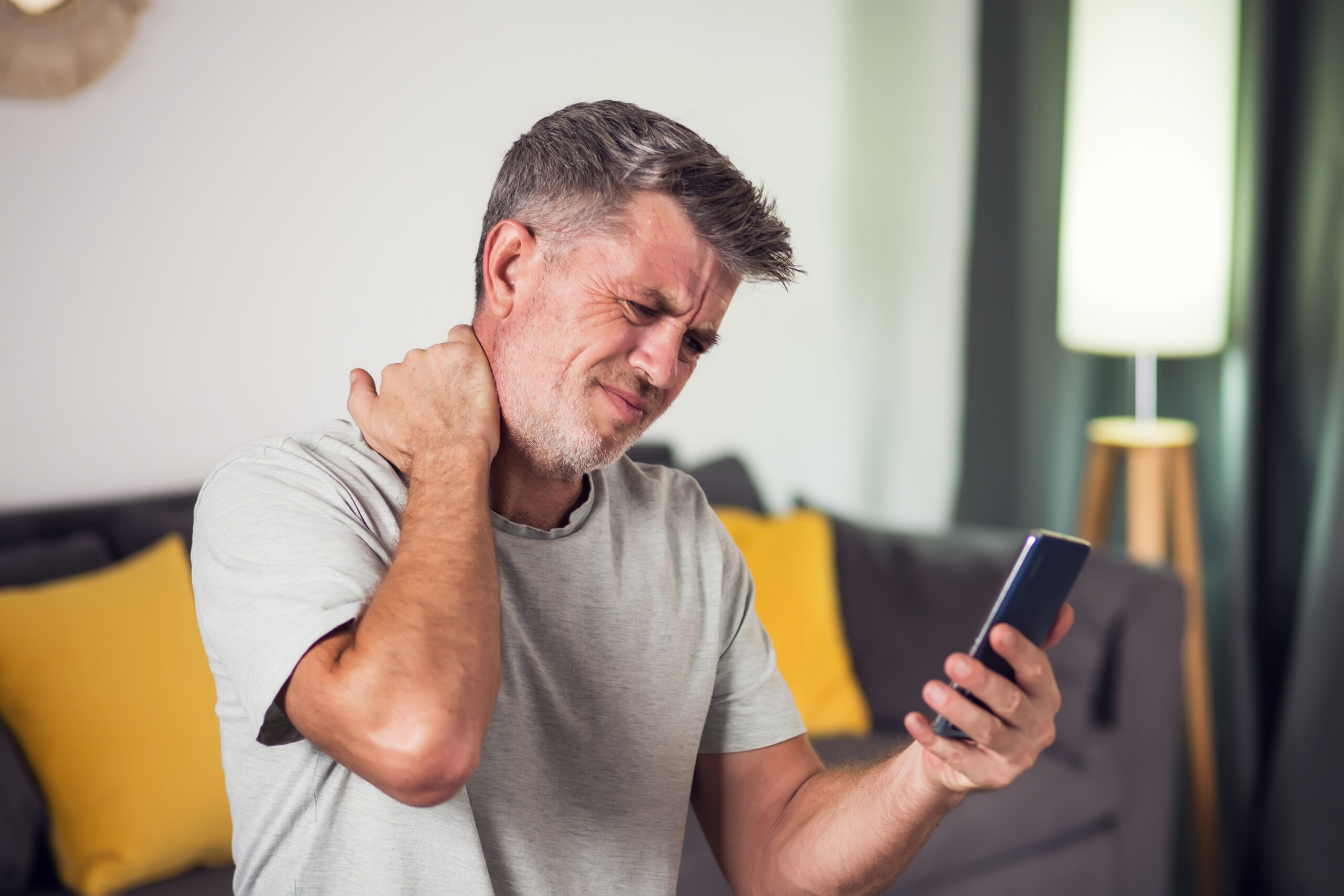
Can ChatGPT Diagnose an Injury? What AI Can and Can’t Tell You After an Accident
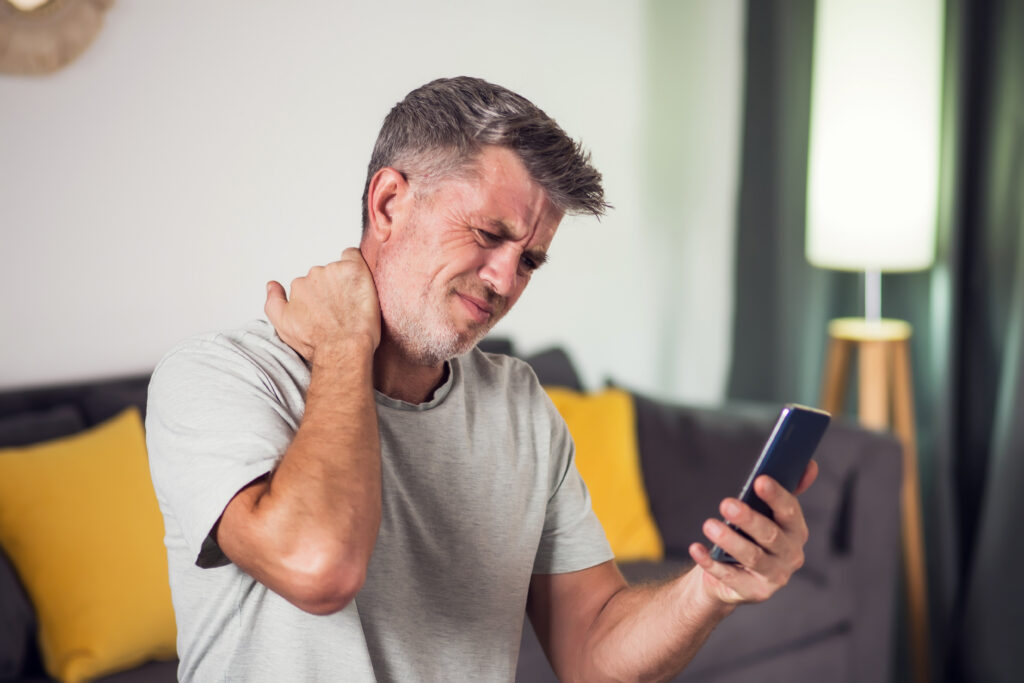
ChatGPT can explain injury symptoms, medical terms, and general health information. The answer it gives depends a lot on the question you ask and the details you include. In some cases, ChatGPT may also search the web for current information. Still, it only knows what you tell it and may not know which medical questions still need to be asked.
That is important after an accident because symptoms do not always tell the whole story. A healthcare professional has the training to know what questions to ask, what movements or symptoms to check, and when imaging or other tests are useful. Someone asking ChatGPT about neck pain after a car accident, for example, may not know which details could change how that pain is understood.
ChatGPT can be helpful for learning about symptoms, organizing what happened, or preparing questions for an appointment. It should not be used to decide what injury you have or whether an injury is minor enough to skip a medical evaluation.
What You’ll Learn
- Ways AI can help organize information after an accident
- Why the same symptom can mean different things from one person to another
- Why the details of the accident matter
- Why changes in symptoms over time matter
- What daily activities can reveal about an injury
- What an injury evaluation can add that a chatbot cannot
Can ChatGPT Diagnose an Injury?
No. ChatGPT can offer potential explanations for symptoms, but it cannot confirm what type of injury a person has. Diagnosis depends on the full picture, including medical history, physical findings, and any testing a healthcare professional considers appropriate.
That can be easy to forget because AI often sounds sure of itself. A response may be clear and reasonable while still missing a detail that can change how the symptoms are understood.
Do Other AI Chatbots Have the Same Limits?
Yes. Other popular AI chatbots, including Google Gemini, Claude, Microsoft Copilot, and Perplexity, can also explain health information, summarize sources, and answer questions based on what the user enters. Some tools may search the web or provide links to sources, while others may rely more heavily on the information available in the conversation.
The way these tools find and present information can be different, but the main limitation is the same: they cannot examine an injury or know which medical details a patient may have left out. A healthcare professional has the training to ask follow-up questions, examine the injured area, and decide whether other testing may be useful.
What Can an AI Chatbot Help with After an Accident?
Using an AI Chatbot for injury symptoms can be useful when the goal is to organize information rather than determine what injury occurred. A chatbot can help turn scattered notes into a timeline, explain an unfamiliar medical term in plain language, or help someone prepare questions for a healthcare provider.
For example, someone who felt relatively comfortable right after an accident may later wonder why pain or stiffness showed up hours or days later. An AI chatbot can explain general reasons delayed symptoms may happen, such as inflammation or soft tissue irritation becoming more noticeable over time. However, it cannot tell whether those explanations apply to that person’s injury or what may be causing the symptoms.
AI can also make general health information easier to understand, especially when someone encounters an unfamiliar medical term or wants to prepare questions before an appointment.
Why AI Needs More Than Just a List of Symptoms
A symptom by itself does not tell the whole story. Two people can both describe shoulder pain while the circumstances surrounding that pain may be very different. How the accident happened, where the discomfort is located, when it began, how it has changed, and what movements affect it all add context.
This is one limitation of using an AI chatbot for health questions. It only knows what is entered into the conversation. It cannot independently notice something the person forgot to mention or gather physical findings that could change how a healthcare professional looks at the complaint.
Details That Add More Context After an Accident
| Detail | Why It Matters | What AI Cannot Do |
| How the accident happened | The direction of impact, body movement, or whether a body part made contact can help explain the circumstances surrounding the symptoms. | A chatbot only knows these details if the person includes them in the conversation. |
| When symptoms started or changed | Pain, stiffness, numbness, tingling, or other symptoms can change over time. Tracking those changes helps create a clearer symptom history. | An earlier AI response cannot account for symptoms that appeared or changed after the conversation. |
| How daily activities are affected | Difficulty turning the head while driving, walking normally, gripping an object, sleeping, or completing usual activities can show how symptoms are affecting everyday function. | AI cannot watch someone move or measure how much their function has changed. |
These details do not diagnose an injury on their own. They help create a fuller picture that a healthcare professional can consider along with medical history and physical findings.

What Can AI Help With After an Injury?
- Use it to organize what happened, when symptoms started, and what has changed since the accident.
- Ask it to explain unfamiliar medical terms or help prepare questions for a healthcare professional.
- Avoid sharing personal or identifying information that is not needed for the question.
- Do not rely on a reassuring AI response if symptoms are changing or affecting daily function.
A better prompt can make an AI response clearer, but it cannot replace the information a healthcare professional may gather through an examination or testing.
When Should You Stop Relying on AI and Consider Injury Care?
If pain or other symptoms continue, change over time, or begin interfering with normal activities, discussing those changes with a healthcare professional will provide more useful information than continuing to ask a chatbot.
Someone should consider an injury evaluation if they notice:
- Pain or stiffness that is not getting better
- Pain that becomes more noticeable or begins affecting another area
- Numbness or tingling
- Difficulty moving comfortably
- Symptoms that interfere with work, sleep, driving, exercise, or other daily activities
What Can an Injury Evaluation Clarify?
An injury evaluation brings several pieces of the story together: how the accident happened, when symptoms began, how they changed, and whether they are affecting movement or everyday activities.
Depending on the concern, a healthcare professional can examine movement, tenderness, swelling, strength, sensation, or other physical findings. These findings add information beyond what someone can describe through a text conversation.
Imaging is not automatically needed for every painful area after an accident. Whether an X-ray, MRI, CT scan, or another test may be useful depends on the individual situation and clinical findings.
Key Takeaways
- ChatGPT can help organize symptoms and questions, it cannot accurately diagnose an injury.
- How the injury happened, when symptoms appeared, and how daily activities are affected can add important context.
- AI only works with the information entered into the conversation and may miss details that matter during an evaluation.
- Changes in pain, movement, numbness, tingling, or daily function can be useful to discuss with a doctor.
- An injury evaluation can add physical findings that a chatbot cannot gather through text alone.
Frequently Asked Questions About AI and Injury Symptoms
No. Pain, swelling, bruising, and difficulty using a limb can occur with fractures and with other injuries. A healthcare provider can examine the area and decide whether an X-ray or other imaging is appropriate.
AI symptom checkers can provide general possibilities, but their answers depend on the information entered and the tool being used. After an accident, important details about movement, symptom changes, and physical findings may not be available to the chatbot.
No. Similar symptoms can occur with different injuries. ChatGPT can explain possible reasons for a symptom, but it cannot examine the injured area or confirm what is causing it.
Avoid uploading sensitive records unless you understand the tool’s privacy terms and have a clear reason to share them. A chatbot summary does not replace the clinician who ordered the study or a healthcare provider who can interpret the report in the context of your symptoms and examination.
Yes. A chatbot can help organize questions, explain unfamiliar medical terms, and create a simple timeline of what happened after an incident. The information should reflect what the person actually experienced rather than being treated as a diagnosis.
Use AI for Questions, Then Ground the Next Step in Care
ChatGPT and other AI chatbots can help organize symptoms, explain medical terms, and make injury questions easier to understand. Details such as how the injury happened, when symptoms appeared, and how pain or movement has changed can add context that a chatbot cannot evaluate on its own.
If pain, stiffness, numbness, tingling, or changes in movement continue to affect daily activities, an injury evaluation can help provide more information about what may be contributing to those symptoms. The Pain and Injury network connects patients throughout New York, New Jersey, and Connecticut with providers offering injury evaluations, orthopedic care, diagnostic imaging, rehabilitation services, pain management, and physical therapy for accident-related pain and injuries.
Call 800-949-6100 or request an appointment online to learn more about available injury evaluation and care options.
*This article is for educational purposes only and is not a diagnosis or treatment plan. Every injury and medical condition is different. A qualified healthcare professional can evaluate symptoms in the context of medical history and individual needs. If symptoms feel severe or urgent, seek emergency medical care.