
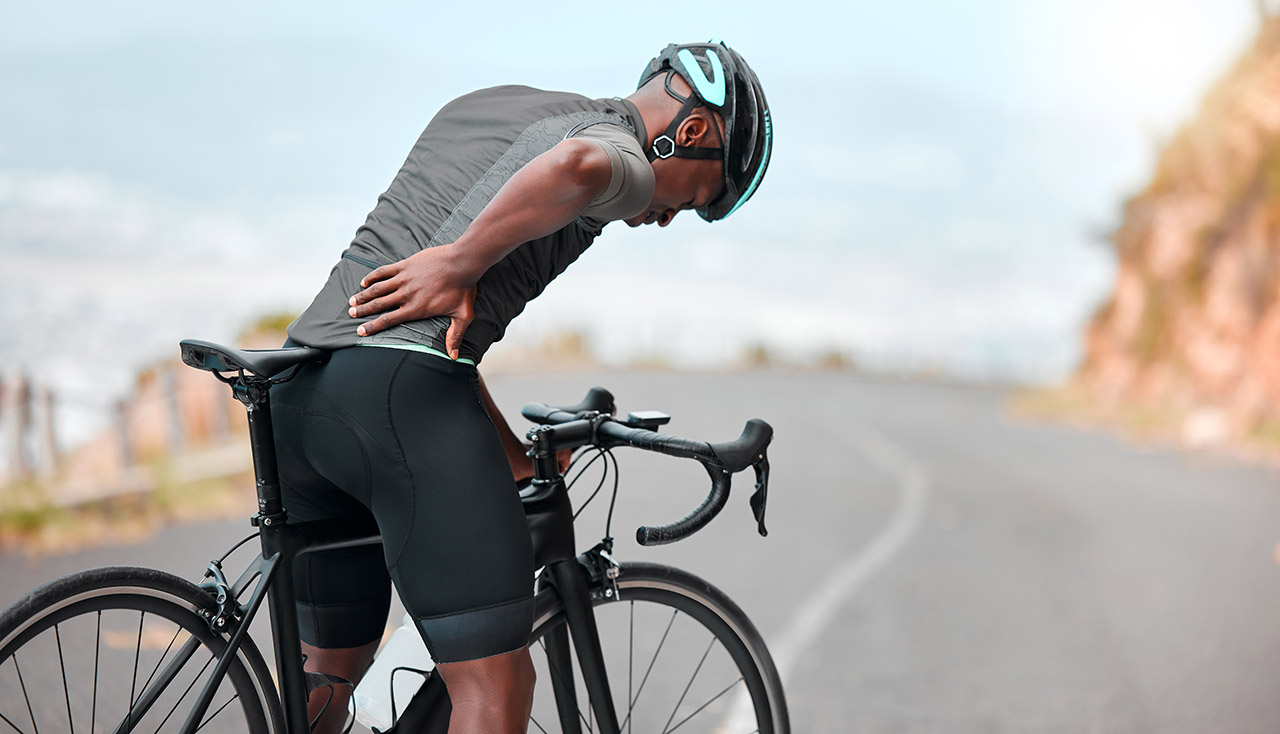
Living with Chronic Pain?

Living with chronic pain can feel overwhelming, but even small lifestyle changes may help reduce discomfort and improve your daily life. While medical treatment is important, making adjustments at home—like exercising, sleeping well, and practicing healthy habits—can make a real difference.
1. Keep Moving with Gentle Exercise
Staying active is one of the most effective ways to support your body when living with chronic pain. Low-impact activities like walking, stretching, or light yoga can:
-
Increase blood flow to muscles and joints
-
Reduce stiffness and inflammation
-
Strengthen the body to better support painful areas
Aim to move a little every day—consistency is more important than intensity.
2. Prioritize Quality Sleep
Sleep is essential for pain management and overall health. Poor sleep can make pain feel worse, while good rest helps the body repair and recharge. Try these tips for better sleep:
-
Turn off TVs, phones, and electronics an hour before bed
-
Keep your bedroom dark and cool
-
Maintain a consistent sleep schedule
Good sleep supports immune function, energy, and even pain tolerance.
3. Quit Smoking for Better Health
Studies show that smokers often report higher levels of pain than non-smokers. Quitting smoking can benefit nearly every system in your body, including:
-
Improved circulation and oxygen delivery
-
Better immune system function
-
Reduced inflammation
If quitting feels difficult, talk to your doctor about resources and support programs.
4. Break Up Long Periods of Sitting
Sitting for long hours—especially at work—can contribute to chronic back and neck pain. Try these simple changes:
-
Stand up and stretch every 30–60 minutes
-
Walk during breaks or take calls while standing
-
Use a supportive chair or consider a standing desk
Movement helps keep your spine aligned and reduces muscle strain.
Taking the Next Step
If you’ve been living with chronic pain, know that you don’t have to face it alone. Combining lifestyle changes with guidance from a pain management specialist may help you find relief and restore quality of life.
This blog is for informational purposes only and is not a substitute for professional medical advice, diagnosis, or treatment. Every patients recovery journey is different. Always consult a qualified healthcare provider with any questions you may have regarding a medical condition or before starting a new health regimen.