

Is an Epidural Steroid Injection Right for Me?

Epidural steroid injections (ESIs) are non-surgical injections used to help reduce inflammation around irritated spinal nerves. They may be considered for conditions such as sciatica, herniated discs, and spinal stenosis when nerve-related back or neck pain continues despite conservative treatment.
If back or neck pain has started traveling into your arms or legs, even simple activities can become frustrating. Sitting for long periods, walking, driving, or trying to sleep comfortably may feel more difficult when nerve pain becomes part of everyday life. For some patients, an epidural steroid injection (ESI) may help reduce inflammation around irritated spinal nerves and provide temporary symptom relief.
These injections are commonly used for conditions like sciatica, herniated discs, and spinal stenosis when conservative treatments have not provided enough improvement. While an ESI does not repair the underlying spinal condition, it may help patients move more comfortably and continue rehabilitation or physical therapy.
What Is an Epidural Steroid Injection?
An epidural steroid injection is a minimally invasive procedure that delivers anti-inflammatory medication into the area surrounding spinal nerves.
When spinal discs or joints place pressure on nearby nerves, inflammation may develop and contribute to symptoms such as:
- Sharp or radiating pain
- Tingling sensations
- Numbness
- Weakness in the arms or legs
The goal of an ESI is to help reduce inflammation and may help patients participate more comfortably in daily activities and conservative treatment.
Some studies suggest epidural steroid injections may provide short-term symptom relief for certain patients with nerve-related spine pain.

What Conditions May Respond to an ESI?
Epidural steroid injections are often considered for patients experiencing nerve irritation caused by spinal conditions.
Herniated Disc
A herniated disc may place pressure on nearby nerves and lead to lower back pain, leg pain, or numbness.
Sciatica
Sciatica typically causes pain that travels from the lower back into the buttock and leg along the sciatic nerve pathway.
Spinal Stenosis
Spinal stenosis occurs when narrowing in the spine compresses nerves and contributes to pain, tingling, or difficulty walking.
Post-Surgical Spine Pain
Some patients continue experiencing inflammation or nerve irritation after spine surgery. In certain cases, an ESI may be part of a comprehensive pain management plan.
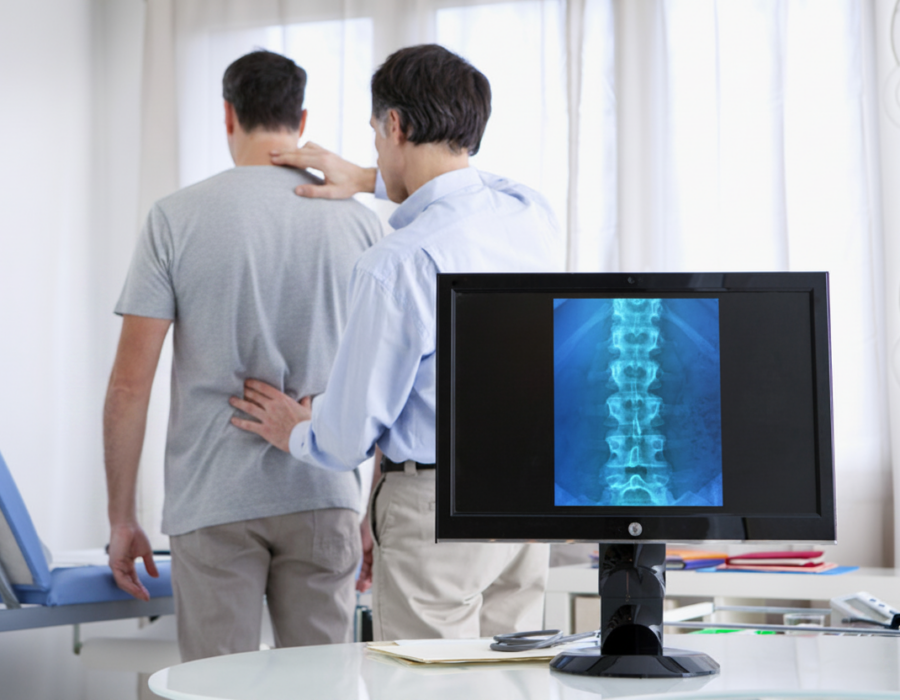
Who May Be a Candidate for an Epidural Steroid Injection?
An ESI may be appropriate for patients with persistent radiating pain that has not improved after conservative treatment.
A pain management specialist may evaluate:
- Whether symptoms match diagnostic imaging findings
- How long the pain has been present
- Response to physical therapy or other conservative treatments
- Overall health history and medical conditions
Benefits and Risks of Epidural Steroid Injections
For some patients, epidural steroid injections may help reduce inflammation and improve comfort during daily activities. These injections are often used to support movement, physical therapy, and other non-surgical treatment plans.
Potential benefits may include:
- Reduced nerve-related pain
- Improved mobility and activity tolerance
- Temporary symptom relief
- Support participation in rehabilitation or physical therapy efforts
Every patient responds differently, and the amount of relief can vary depending on the underlying condition being treated.
Providers commonly use fluoroscopic imaging guidance during the procedure to support accurate medication placement and patient safety.
How Long Does an Epidural Steroid Injection Last?
Pain relief timelines vary depending on the underlying condition and the patient’s response to treatment.
Some patients notice changes in their symptoms after an epidural steroid injection, while others may experience more limited improvement. Recent research has also explored treatments such as platelet-rich plasma (PRP) for certain spine conditions.
A pain management specialist can evaluate your symptoms and discuss whether an epidural steroid injection or another non-surgical treatment option may be appropriate for your condition.
Frequently Asked Questions:
Are epidural steroid injections painful?
Patients may experience mild pressure or discomfort during the procedure. Providers commonly use imaging guidance and local anesthetic techniques to support patient comfort and procedural accuracy.
How quickly does an ESI work?
Response times vary. Some patients may notice symptom changes within several days, while others may not experience significant improvement.
Can an epidural steroid injection cure a herniated disc?
Epidural steroid injections are intended to help reduce inflammation associated with irritated spinal nerves. They do not repair or reverse a herniated disc.
What are epidural steroid injection side effects?
Possible side effects may vary. A provider can discuss potential risks and whether the procedure may be appropriate for your condition.
Learn More About Your Non-Surgical Pain Relief Options
Persistent neck or back pain that radiates into the arms or legs may indicate spinal nerve irritation. If symptoms continue despite conservative treatment, an epidural steroid injection may be one option to discuss with a pain management specialist.
Painandinjury.com can connect patients with specialists offering evaluations for non-surgical pain management options throughout New York, New Jersey, and Connecticut, including support for workers’ compensation and no-fault injuries.
To learn more, contact Pain and Injury at 800-949-6100 or request an appointment.