
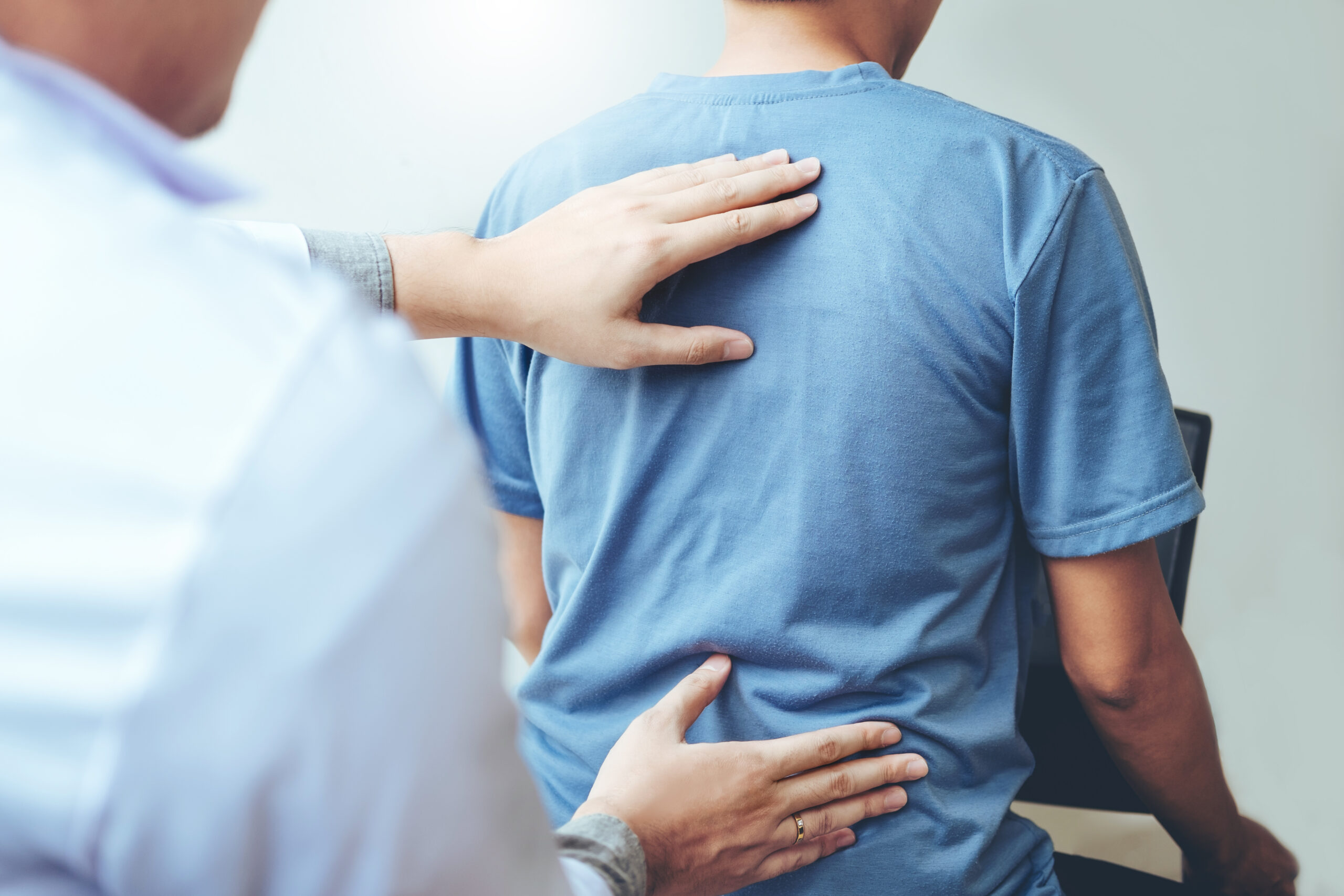
Lower Back Pain Is Often Treated the Wrong Way—Here’s What You Should Know
Lower back pain affects millions of Americans every year and is one of the most common reasons for medical visits. Unfortunately, treatment often defaults to opioids, which mask pain rather than address the underlying cause. That’s why more patients are looking toward evidence-based, non-opioid care to manage pain safely—whether from car accidents, work injuries, sports strain, or everyday posture issues.
Why Opioids Are Not the Answer
Many people prescribed opioids for back pain end up facing long-term risks. According to the CDC, opioid-related overdoses remain a leading cause of preventable death among U.S. adults ages 18–44, even though provisional 2024 data shows the largest year-over-year decline in overdose deaths ever recorded.
The bottom line: opioids may provide short-term relief, but safer, targeted options are often more effective for long-term outcomes.
Common Causes of Lower Back Pain
-
Muscle or ligament strain from accidents, lifting, or sudden movement
-
Herniated or bulging discs from trauma or repetitive stress
-
Poor posture or prolonged sitting (common in office jobs and trucking)
-
Sports injuries and repetitive strain at work
-
Pregnancy or weight changes affecting spinal alignment
-
Referred pain from conditions such as ovarian cysts or urinary tract infections
Lower Back Pain Symptoms to Watch For

-
Persistent dull or aching pain along the spine
-
Stiffness after waking or long periods of sitting
-
Pain that worsens with bending, lifting, or twisting
-
Radiating discomfort into hips, buttocks, or legs
-
Muscle spasms or tightness
If symptoms persist, evaluation from a qualified provider is essential.
Non-Opioid Options for Back Pain
Decades of research highlight safer, below are strategies that may help:
Physical therapy – builds strength and flexibility
Targeted stretches – improves mobility and reduces stiffness
Massage therapy – helps circulation and muscle tension
Active rehabilitation – supports safe return to activity
Self-care strategies include walking, proper sleep positioning, and alternating heat/ice depending on whether the pain is acute or chronic.
Special Considerations
-
Women & Pregnancy: Hormonal changes and posture shifts can contribute to pain. Safe, supportive care options are available.
-
Weight Factors: Excess weight may add spinal stress, but guided strengthening and posture support can help.
Where to Get the Right Care
Urgent care centers may provide short-term relief, but lasting solutions usually require specialists. MSR Injury Doctors connects patients with a network of board-certified providers across NY, NJ, and CT, including: pain management specialists, physical therapists and rehabilitation experts, physicians trained in non-opioid, evidence-based approaches. Same-day and next-day appointments are available for patients with accident-related or workplace injuries.
Click here to Request an Appointment
Connect with trusted providers through MSR’s injury care network. This information is for educational purposes only and is not a substitute for professional medical advice, diagnosis, or treatment. Statistics are based on the most recently available data from reputable sources such as the CDC and published research.