

Common Cycling Injuries

Table of Contents:
- Why Cycling Injuries Happen
- Common Cycling Injuries
- Other Cycling Injuries to Watch for
- How to Prevent Cycling Injuries
- Getting the Right Care
- Ready to Schedule?
- Frequently Asked Questions
Cycling is a great way to stay active, strengthen your heart, and decompress. Nonetheless, the sport can present a number of physical difficulties for many riders, both amateur and professional. Even the most committed cyclists can be sidelined by injuries, whether it’s lower back pain from extended rides, knee pain while riding, or discomfort following a fall.
Recognizing and addressing these injuries early is essential to supporting a safer return to biking and enjoying your rides more comfortably.
Why Cycling Injuries Happen
Cycling is generally classified as a low-impact exercise, and many people wonder: Is cycling good for knee pain? It may improve muscle strength and mobility, but technique, equipment, and training intensity play a key role in preventing added strain.
Common causes of cycling-related injuries may include:
- Poor bike fit or incorrect saddle height
- Weak core and muscle imbalances
- Repetitive strain without adequate rest and recovery
- Falls, slips or collisions on the road or trail
- Riding with preexisting conditions such as sciatica or arthritis
Common Cycling Injuries
Cycling often engages specific muscle groups and joints. It’s important to recognize the difference between normal post-exercise soreness and signs of a possible injury.
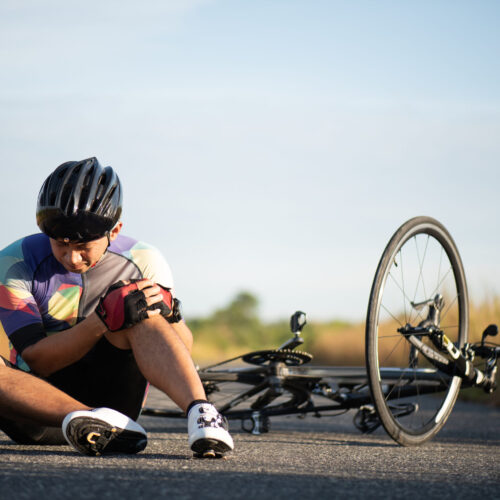
1. Knee Pain
One of the most commonly reported issues among cyclists is knee pain. Overuse, misalignment, or even incorrect gear settings may contribute to discomfort.
Types of cycling-related knee pain can include:
- Anterior knee pain: Discomfort around the kneecap is often linked to repetitive movement or improper bike setup.
- IT band syndrome: Irritation of the iliotibial band that may cause pain on the outer side of the knee.
- Medial or lateral knee pain: Pain on the inner or outer knee, sometimes related to pedal stroke mechanics or foot positioning.
Are you wondering how to treat cycling-related knee pain? Approaches often include physical therapy, stretching, strengthening, and bike fit adjustments.
2. Lower Back Pain
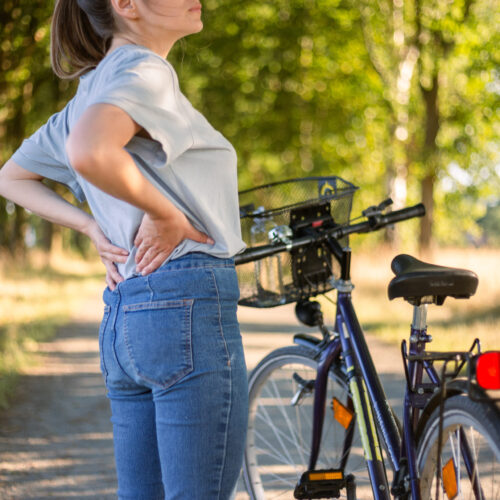
Many people experience stiffness or aches after lengthy rides. Many cyclists experience lower back pain, and may be related to posture issues, a weak core, or spending extended time bent forward on the bike.
You might ask: Is cycling good for lower back pain? Or even: Is stationary cycling good for lower back pain? It depends. A properly adjusted stationary bike may offer a gentler option than road riding. Poor form, even on a stationary bike, can sometimes worsen pain.
3. Sciatica and Nerve Pain
“Is cycling good for sciatica pain?” is a common question among people with sciatic nerve irritation. Cycling may improve muscle tone and blood flow, which can ease sciatica symptoms. In other cases, the riding position might worsen discomfort by putting pressure on the lower spine. Experiences vary, the best way to know what’s right for you is to consult a medical professional.

Other Cycling Injuries to Watch for
Beyond knees and backs, other parts of the body can suffer from repetitive stress or sudden trauma.
- Wrist and hand pain from prolonged gripping
- Neck pain due to head and shoulder positioning
- Muscle strains in the legs, back or arms
- Shoulder and clavicle injuries from falls
- Fractures or contusions from impact
If you experience any of these concerns, it’s important to seek a medical evaluation.
How to Prevent Cycling Injuries
Prevention is key—especially for those who ride multiple times a week. If you’re wondering, how can you prevent injury while cycling, consider the following bicycle safety tips:
- Get a professional bike fit to support proper alignment
- Warm up before and stretch after each ride
- Crosstrain to balance muscle strength
- Take rest days between rides to allow the body to recover
- Wear appropriate gear, such as padded shorts and supportive shoes
- Listen to your body: avoid ignoring sudden or persistent pain.
What to Do After a Cycling Injury
Whether you’re recovering from overuse or a crash, early intervention is very important. Pain that isn’t addressed can worsen over time and contribute to long-term mobility challenges.
Healthcare providers who specialize in sports and cycling-related injuries can:
- Diagnose joint, muscle and soft tissue injuries
- Create treatment plans tailored to your activity level
- Offer physical therapy and pain management options
- Provide proper documentation for injury-related claims
If your injury occurred during a road accident or while on the job, you may be eligible for insurance benefits or workers’ compensation. Many people ask: How long does a cycling injury claim take? The timeline can vary depending on the type of insurance, required documentation, and how quickly medical records are submitted. Working with healthcare providers who are familiar with injury claims can help streamline the process through accurate, HIPAA-compliant reporting.
Getting the Right Care
It is best not to ignore pain that interferes with your daily routine. Whether discomfort stems from a fall, poor bike ergonomics, or ongoing wear and tear, specialized care may be available close to home.
Ready to Schedule?
Painandinjury.com can connect you with Board-Certified providers across New York, New Jersey and Connecticut who specialize in:
- Sports medicine and cycling-related injuries
- Rehabilitation for joints and muscles
- Non-surgical pain management
- Support with insurance documentation for injury claims
Reach out today if you’re dealing with pain after a ride or need help with a cycling injury claim.
Frequently Asked Questions
Yes, cycling may contribute to Achilles tendon pain especially if the saddle height is too high. When this happens, your ankle bends too far at the bottom of the pedal stroke which can put more strain on the tendon. Overuse, poor pedal stroke mechanics or training too hard without adequate rest may lead to tendinopathy. In addition, wearing cycling shoes that lack proper support can worsen your symptoms.
Yes, cycling can contribute to ankle pain if your shoes lack proper arch or ankle support or if the bike is not fitted correctly (for example, with misaligned cleats). When the foot and ankle are misaligned during pedaling, the surrounding joints and ligaments may be placed under extra stress, which over time can lead to inflammation or discomfort. Repetitive movement without adequate recovery may worsen symptoms and may aggravate pre-existing ankle instability or previous injuries.
Cycling may occasionally be associated with chest pain, though it is less common. This can happen if your breathing mechanics are restricted because of tight upper body posture or poor form, sometimes leading to rib or chest muscle strain. Chest pain can also signal more serious conditions, it’s important to seek medical evaluation if you have severe or ongoing chest pain.