
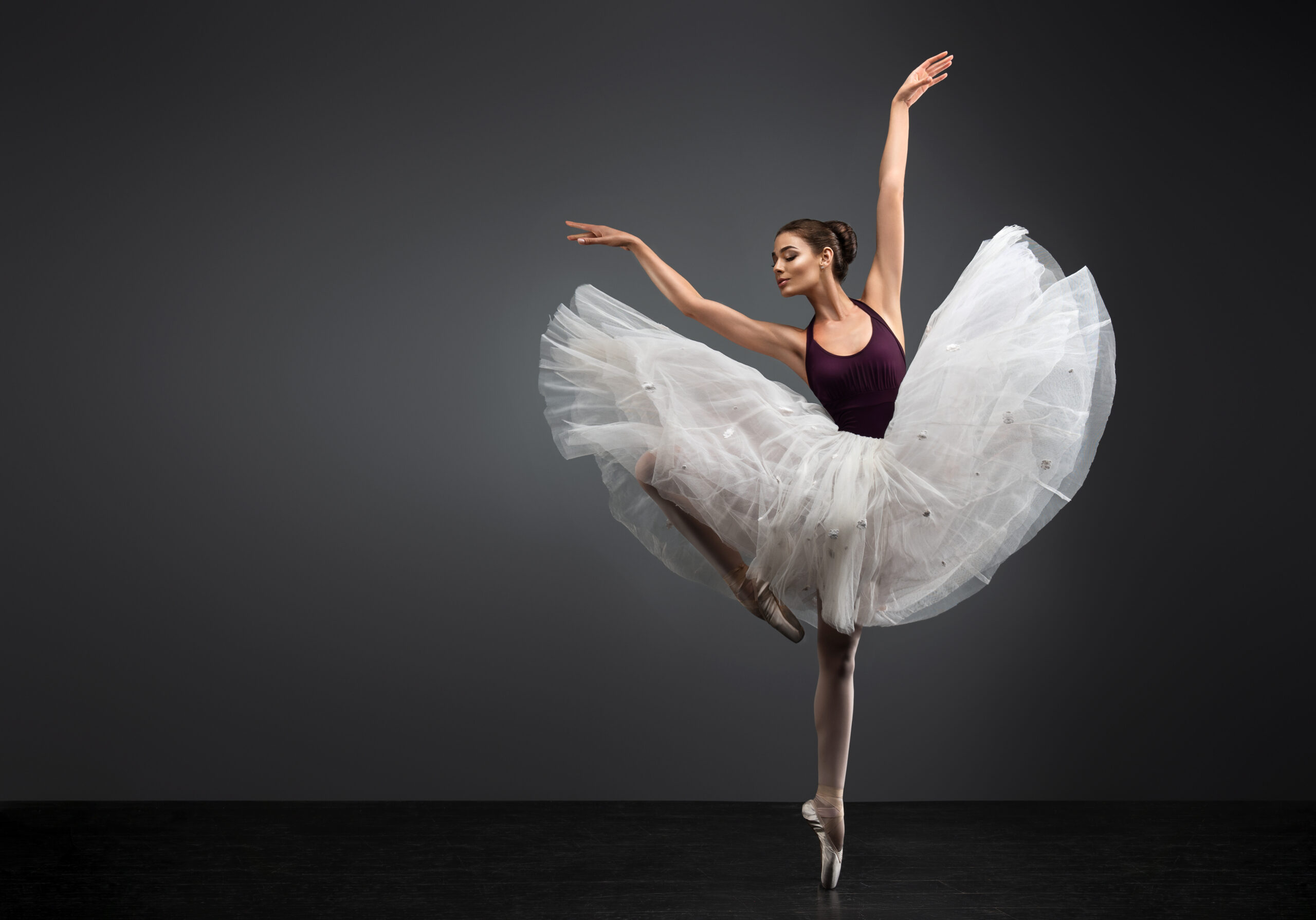
A Ballerina’s Challenge
Athletes and dancers often face physical and emotional challenges throughout their careers. Injuries are a common reality, requiring proper care and rehabilitation. Wendy Whelan, a celebrated ballerina, experienced this firsthand in 2013 when she underwent reconstructive hip surgery at age 46. Facing uncertainty about her ability to dance again, Whelan committed to months of rehabilitation and physical therapy, ultimately returning briefly to the New York City Ballet before transitioning to contemporary dance.

The documentary Restless Creature chronicles Whelan’s injury to recovery and final performance with her company.
The Hip Injury That Changed Everything
Whelan describes her injury as sudden: a slip in September 2012 that caused significant pain in her hip and hamstring. Initial treatments included acupuncture, therapy, massage, injections, and MRIs. Eventually, imaging revealed a complex labral tear, requiring reconstructive surgery eight months later.
Hamstring and hip injuries are common in athletes and dancers, often occurring during high-intensity movements or repetitive strain. Timely diagnosis and intervention are crucial for recovery.
Documenting Recovery
Whelan’s journey was captured in the documentary Restless Creature, which chronicles her injury, rehabilitation, and final performances. Filming provided both a challenge and a support system, helping her share her vulnerability and resilience with the world.
She recalls the difficulty of showing pain on camera: “My leg wouldn’t accept the weight without a buckle, so dancing was a really big question… I needed some space.” Through the process, Whelan embraced her authentic self and discovered new creative freedom in contemporary dance.
Life After Ballet
After three decades with the New York City Ballet, Whelan retired from classical ballet in 2014. Today, she continues performing contemporary dance and reflects on the liberation of moving beyond the strict constraints of ballet.
Her story highlights a broader lesson for athletes: career-ending injuries are possible, making access to rehabilitation, worker’s compensation, and medical support essential. Recovery is not just physical; it involves emotional resilience, creativity, and adaptability.
Lessons for Athletes/Dancers
-
Injuries may happen unexpectedly, even to elite performers.
-
Comprehensive medical care, including physical therapy and specialist consultation, is key.
-
Documenting the journey can provide emotional support and encourage growth.
-
Long-term career planning and insurance protections are important for high-risk professions.