

The Hidden Risks of Airport Jobs: What to Know if You’re Injured at Work
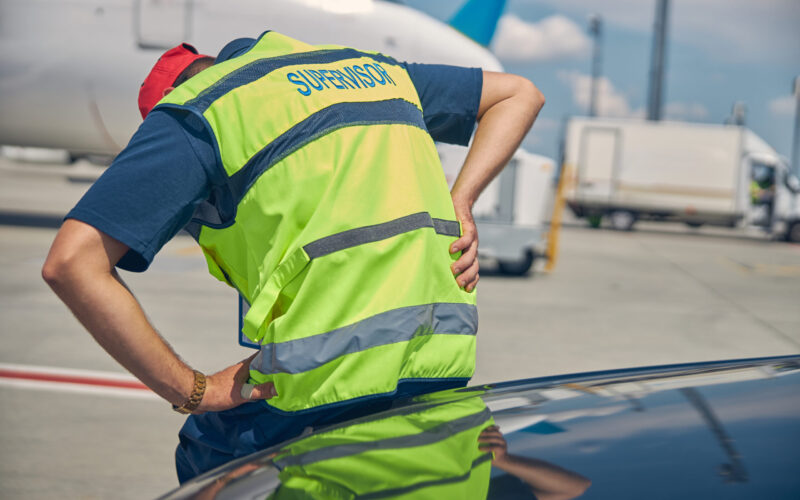
Table of Content:
- Common Airport Job Roles and Associated Risks
- Why Injuries in Airport Jobs Are Often Overlooked?
- What to Do If You’re Hurt Working at an Airport
- How MSR Injury Doctors Can Help
- Don’t Ignore Airport Workplace Injuries—Take Action Now
Airports never sleep—and neither do the workers who keep them running. From ground crew members loading baggage in all kinds of weather to terminal staff helping travelers navigate delays and crowds, the people behind the scenes at airports are essential to the travel industry. But the risks of airport jobs often include significant physical and environmental hazards that aren’t always immediately apparent.
If you work in or around an airport, it’s important to understand the unique hazards of your job—and what to do if you get hurt on the clock. At MSR Injury Doctors, we specialize in connecting injured workers with the expert care they need through a trusted network of medical professionals. Here’s what every airport employee should know about job-related injuries and their next steps.
Common Airport Job Roles and Associated Risks
Whether you’re part of a major hub or a smaller regional airport, many job functions expose workers to injury risks. These are some of the most common:
1. Baggage Handlers and Ramp Agents
These workers are on the front lines of heavy lifting, operating conveyor belts, loading/unloading cargo, and braving extreme weather conditions. The frequent use of force, awkward postures, and repetitive motions often lead to:
- Lower back injuries
- Shoulder strains
- Herniated discs
- Slip and fall accidents on wet or icy tarmac surfaces
According to the Occupational Safety and Health Administration (OSHA), musculoskeletal injuries are one of the leading causes of missed workdays in the airline ground operations sector.
2. Aircraft Maintenance Crews
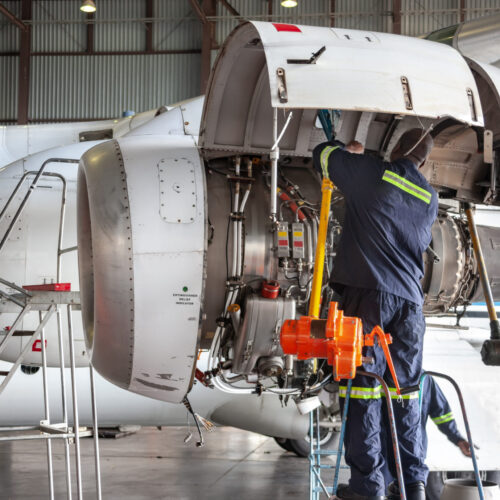
These roles often require work at heights, exposure to moving parts, and contact with hazardous materials. Maintenance personnel may face:
- Lacerations and crush injuries
- Exposure to fumes and chemicals
- Electrical burns
- Falls from ladders or aircraft structures
3. Security and Terminal Staff
Working long shifts in high-traffic environments, security and terminal employees face constant mental and physical stress. Risks include:
- Workplace violence incidents
- Repetitive strain from scanning equipment
- Slips, trips, and falls on slick floors
4. Food Service and Retail Workers
Though less visible, these employees are crucial to airport operations and also vulnerable to:
- Burns from kitchen equipment
- Cuts and strains from food prep
- Injuries from moving merchandise or working long hours without rest
Why Injuries in Airport Jobs Are Often Overlooked?
Because airports run on tight schedules, injured workers sometimes push through pain to avoid disrupting operations. Unfortunately, these choices often lead to long-term health consequences.
Many also don’t realize that certain injuries may not appear immediately. For instance, repetitive strain injuries (RSIs) or herniated discs may develop over weeks or months. Mental health concerns, such as post-traumatic stress following a workplace accident, are even more likely to be minimized or ignored.
What to Do If You’re Hurt Working at an Airport
If you’ve sustained an injury while working at an airport, early action is critical. Here’s what you should do:
1. Report the Injury Promptly
Even if the injury seems minor, report it to your supervisor immediately. This creates a formal record that can be crucial if your condition worsens later.
2. Document Everything
Keep copies of incident reports, take photos if relevant, and note the names of any witnesses. Accurate documentation can help support your claim.
3. Seek Medical Attention
Even if you’re unsure about the severity, it’s vital to get evaluated by a specialist. Delaying care can affect your long-term health and your workers’ compensation claim.
4. Know Your Rights
Injured workers in New York and New Jersey have the right to receive care and wage replacement under workers’ compensation laws. You do not need to prove fault to receive benefits.
How MSR Injury Doctors Can Help
Navigating injury care and workers’ compensation paperwork can be overwhelming—especially when dealing with pain. MSR Injury Doctors connects injured workers with a trusted network of specialized medical providers who are experienced in handling workplace-related injuries.
This network includes orthopedic specialists, pain management doctors, physical therapists, and other experts skilled in treating:
- Back and neck injuries
- Joint and ligament damage
- Nerve pain and carpal tunnel
- Repetitive strain and stress-related conditions
Through MSR Injury Doctors, individuals can access care options that align with their workers’ comp case and medical needs. Additionally, we provide dedicated administrative support to simplify the workers’ compensation claim process. We assist with managing medical records, including HIPAA-compliant, detailed reports necessary for your claim.
Want to know what kinds of treatments are available? Read more on our Specialties and Services page.
Don’t Ignore Airport Workplace Injuries—Take Action Now
Airport jobs may be behind-the-scenes, but the injuries you can sustain can have a major impact on your life. Whether you’re working the tarmac or managing crowds at security, your health matters.
If you or someone you know has been injured while working at an airport, don’t wait. Get the support you need today. Let MSR Injury Doctors connect you with the right medical professionals to begin your recovery process the right way.
Contact MSR Injury Doctors today to get started—your health comes first.