
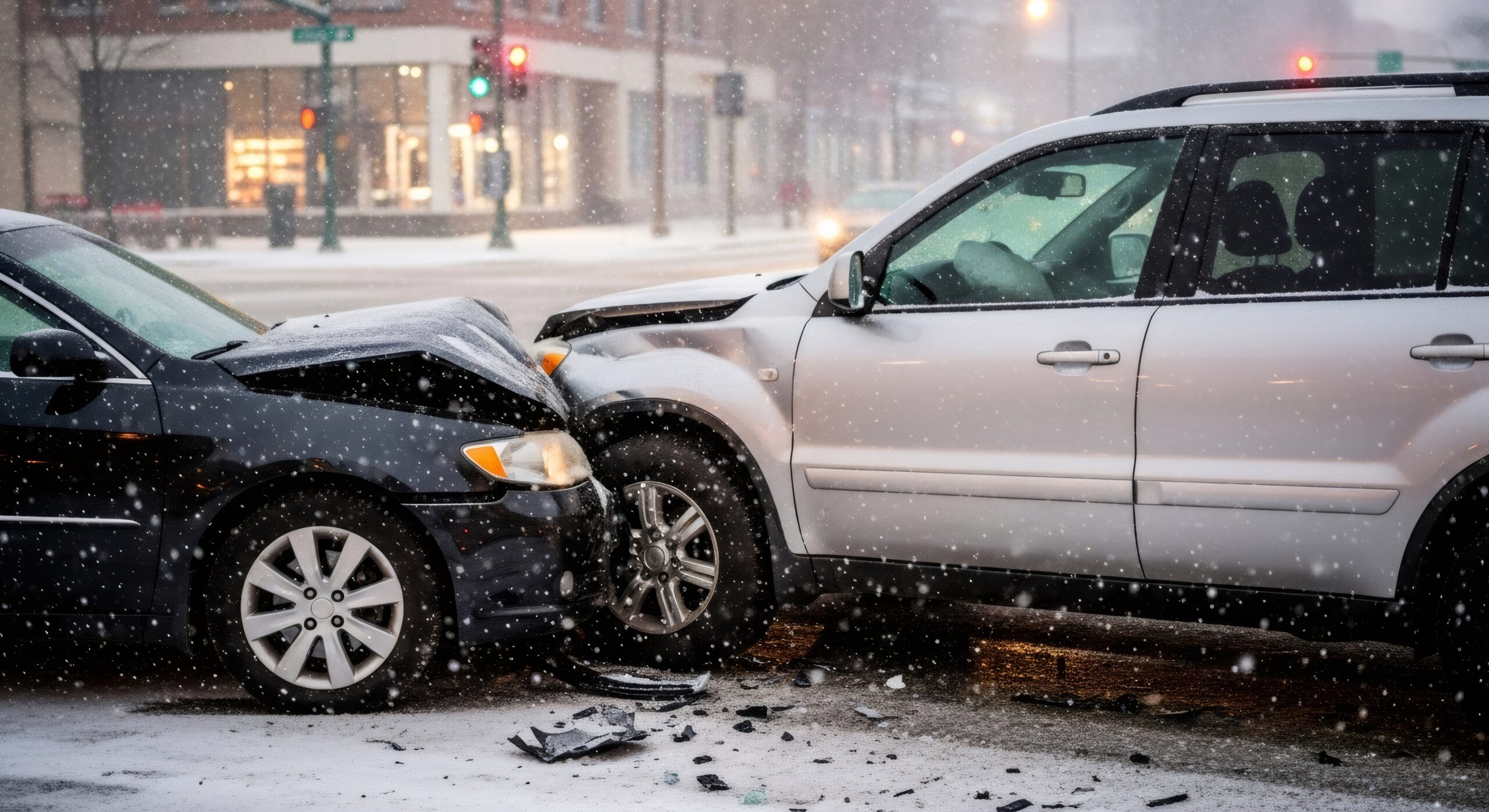
Snow Car Accidents: Injury Risks, Fault, and What to Know After a Winter Crash
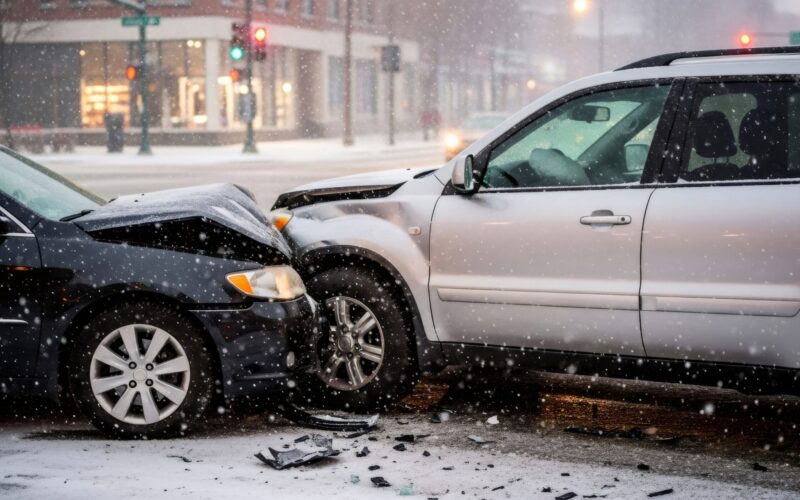
Snow-covered roads can quickly turn a routine drive into a dangerous situation. Snow car accidents are common during winter months, especially during storms when visibility drops and roads become icy. Understanding how these crashes happen and what may follow can help you make informed decisions after a winter accident.
Why Car Accidents in the Snow Are So Common
Snow and ice significantly change how vehicles respond on the road. Car accidents on icy roads are especially common because even small patches of ice can cause drivers to lose traction without warning. In regions that experience frequent winter weather—such as periods of snow in New York, snow in New Jersey, and snow in Connecticut—drivers may face these hazardous conditions multiple times each winter. Recent large snowstorms across the Northeast have highlighted how quickly icy road conditions can develop, increasing the risk of crashes even on familiar routes.
Driving conditions change dramatically when snow and ice are present. Car accidents in the snow often occur due to:
- Reduced traction on icy or snow-packed roads
- Longer stopping distances
- Limited visibility during snowfall or blowing snow
- Drivers traveling too fast for conditions
- Sudden skids or loss of control
Even cautious drivers can be involved in a car accident due to snow, especially when road conditions worsen quickly. Taking appropriate precautions during dangerous winter weather can help reduce risk.
Winter Snow Storm Car Accidents and Injury Risk
Heavy snowfall and rapidly changing conditions often lead to snow storm accidents, particularly when drivers are caught off guard by worsening weather. Following recent major snowstorms in the Northeast, many drivers encountered untreated roads, refreezing slush, and poor visibility that contributed to a surge in winter-related crashes. During periods of intense winter weather, crash risk rises due to untreated roads and sudden ice formation. These winter snow storm car accidents often involve multiple vehicles and can lead to more severe injuries due to:
- Chain-reaction collisions
- Vehicles sliding into opposing lanes
- Rollovers caused by loss of control
A bad car accident in snow may result in injuries such as whiplash, back injuries, concussions, fractures, or soft tissue damage. Symptoms may not appear immediately, as some types of pain can develop gradually in the hours or days following a winter crash. Because of this possibility, some individuals choose to seek medical evaluation to better understand their condition.
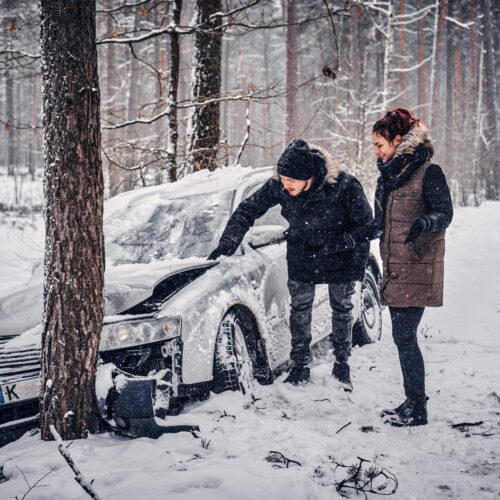
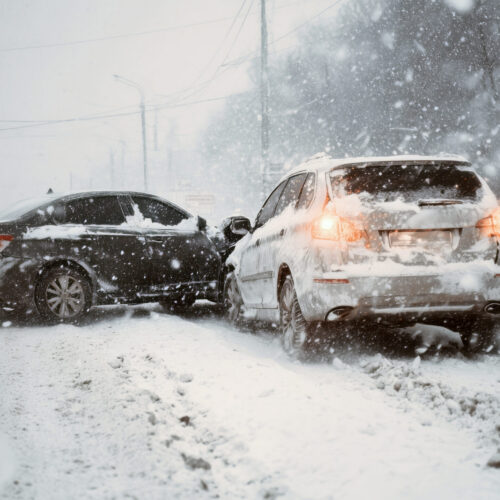
Car Accident in Snow Insurance
Navigating insurance after a winter crash can be confusing, particularly when road conditions play a role. With no-fault insurance, coverage may be available for medical evaluation and treatment following snowstorm-related collisions, even if another driver was involved or fault is unclear.
Insurance companies may still review the circumstances of the crash, so documentation can be important, including:
- Photos of the accident scene and road conditions
- Police reports
- Medical records related to injuries
Understanding how no-fault insurance applies after can help reduce delays and clarify available benefits.
Ice or Snow Car Accident Compensation
In some cases, compensation related to ice or snow car accidents may be available for medical care, rehabilitation services, and other accident-related costs. Coverage depends on factors such as:
- Insurance type and policy terms
- Injury severity
- Applicable no-fault benefits
Because pain and injury symptoms can be delayed after winter crashes, some individuals choose to seek medical evaluation to better understand their condition and document injuries.
Car Accidents in Snow Statistics
According to the Federal Highway Administration, adverse weather conditions such as snow and ice significantly affect roadway safety and contribute to an increased risk of motor vehicle crashes during winter months.
Car accidents in snow statistics consistently show higher crash rates during winter months, particularly during active snowfall and icy conditions. These accidents often result in a higher number of multi-vehicle crashes compared to dry-weather incidents.
When to Seek Medical Care After a Snow Car Accident
After any snow-related crash, some individuals seek medical evaluation if they notice:
- Neck, back, or shoulder pain
- Numbness or tingling
- Limited range of motion
Some injuries develop gradually, even after low-speed crashes in snowy conditions.
Moving Forward After Snow Car Accidents
Recovering after snow car accidents often involves addressing both physical injuries and logistical challenges. A rehabilitation-focused medical provider can help assess injuries, manage symptoms, and guide next steps based on individual needs.
If you were involved in a winter crash, timely evaluation and proper documentation may help clarify your condition and support appropriate care planning, especially when icy road conditions contribute to injury risk.
Request an Appointment
PainandInjury.com connects patients across New York, New Jersey, and Connecticut with a network of board-certified providers experienced in evaluating pain after an injury. If you’re unsure what’s causing your symptoms following a snow car accident, a professional assessment may help clarify your condition and outline appropriate next steps.