
Understanding Reinjury After an Accident: Why It Happens and How you can Lower Your Risk
After a car accident, workplace injury, or slip and fall, it’s understandable to hope that recovery will improve over time. In reality, many people notice changes in symptoms or worry about the possibility of reinjury when they resume regular activities. These concerns can include not only discomfort but also uncertainty about what a symptom flare may mean. This guide provides general information about why reinjury may occur, what these experiences can feel like, and common factors that may influence risk after an accident.
What Is Reinjury?
A reinjury occurs when healing tissues are stressed before they’re ready. After an accident, muscles, ligaments, and joints may be less stable than they seem. Everyday tasks, like lifting a box or stepping awkwardly off a curb, can lead to reinjuring the same spot.
Many people wonder whether moderate pain might naturally limit movement enough to reduce the chance of reinjury. While discomfort may lead someone to slow down, it does not necessarily prevent overuse. In some situations, changes in symptoms may not appear until after additional strain has already occurred. Because pain levels can vary widely, concerns about reinjury are best discussed with a qualified healthcare professional.
Why Reinjury Is Common After Accidents
Accidents can create forceful, unexpected movements that strain multiple body areas at once. Even after symptoms improve, those tissues may still be vulnerable.
For example, someone who felt fine initially after a car accident may experience muscle guarding or stiffness later. If they return to work or household activities too quickly, it can lead to reinjury—especially in the neck, back, or shoulders. The same is true for a workplace incident where repetitive lifting, twisting, or bending caused the original injury.
Slip-and-falls are another major source of reinjured muscles and joints because the sudden impact can affect balance, stability, and muscle control.
Back Reinjuries
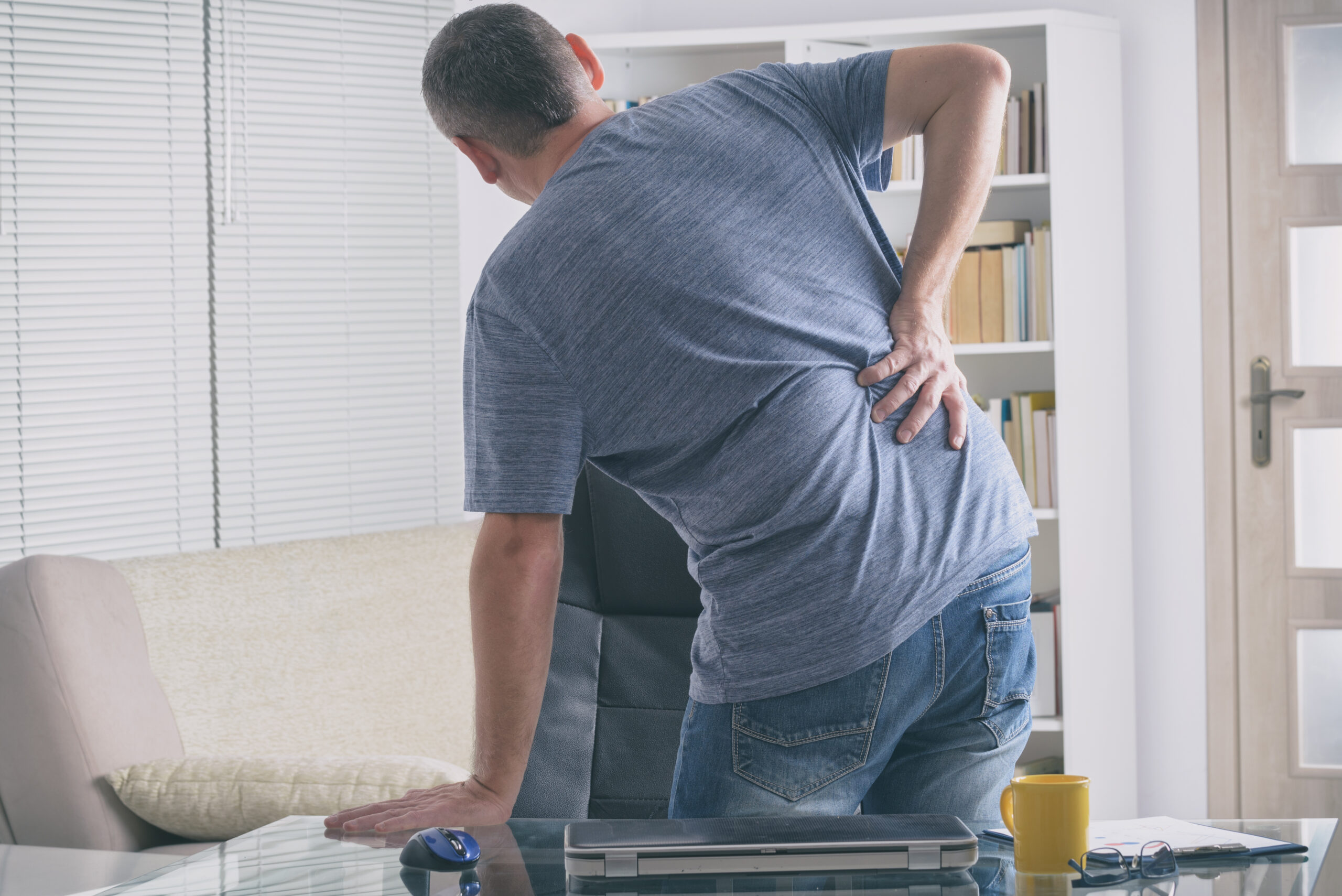
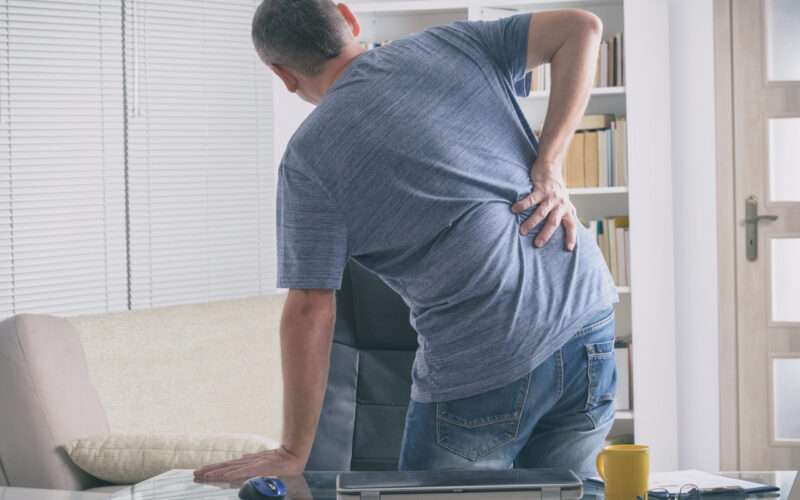
Back injuries may be more vulnerable to symptom changes or setbacks during recovery. Many patients wonder how to avoid reinjury in the back, especially when they begin returning to work or resume tasks that involve more physical effort.
In some cases, a back reinjury may occur when stiff or irritated muscles respond to sudden movements such as turning, bending, lifting groceries, or reaching overhead. After a car accident or workplace incident, the back may also be more sensitive due to inflammation, which can increase the likelihood of symptom flare-ups.
Gradual movement, and mindful body mechanics may help support comfort during recovery, and many people find that guided strengthening programs recommended by a qualified professional can reduce the likelihood of setbacks.
Sprained Ankle Reinjury and Lower Body Setbacks
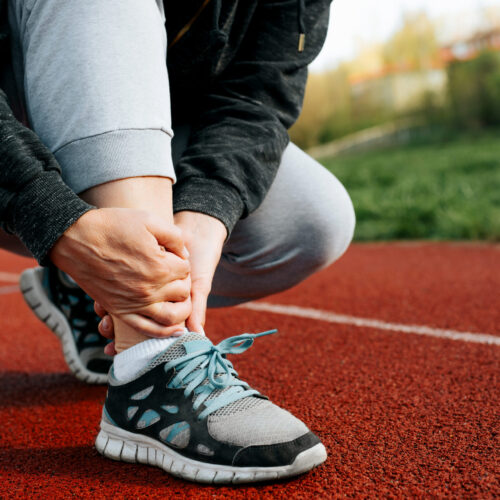
A sprained ankle reinjury is one of the most frequent issues after slip-and-fall accidents. Even if pain improves, ligaments can stay loose for weeks. An unsteady step, uneven sidewalk, or quick pivot can stress the joint again.
Lower-body reinjuries can also affect the hamstrings, especially in people returning to sports or physical work. Hamstring injuries are known to have a higher chance of symptom recurrence because these muscles can respond strongly to sudden or forceful activity. Movements such as sprinting, lowering into a squat quickly, or lifting heavy objects may place added strain on healing tissue and can contribute to irritation or flare-ups.
Knee and ACL Reinjury Concerns
Knee injuries—particularly after falls or car accidents—can take time to stabilize. Patients recovering from ACL surgery often worry about the risk of reinjury after ACL surgery. Weak muscles, swelling, and decreased coordination all increase the chance of strain.
Because of this, ACL injuries can be sensitive during recovery, many rehabilitation programs emphasize balance training, joint control, and gradually building strength under professional supervision. Early activity often focuses on gentle, low-impact movements that support comfort and stability, with progression determined on an individual basis. A qualified healthcare professional can help identify which activities may be appropriate as someone works to reduce the likelihood of knee-related setbacks.
Reinjury After a Car Accident
If you think you’ve reinjured something after a car accident, the timing of when symptoms change can feel important. New pain, increased stiffness, swelling, or difficulty moving may be a reason to pause activity and consider seeking an evaluation from a qualified healthcare professional.
People often ask, “What are the best steps to take if I get reinjured in a car accident?” It’s important to stop the activity that caused the pain, monitor symptoms, and seek medical care. A rehabilitation physician can help determine whether the pain is irritation from overuse or a new injury that needs further treatment.

Reinjuring a Workers’ Compensation Injury
Accidents at work may already involve repetitive motions, heavy lifting, or awkward positioning. This makes workers compensation reinjury more likely if you return to full duty too quickly.
If you think you’re reinjuring a workers comp injury, notify your employer and medical provider right away. Early documentation and evaluation can help identify what went wrong.
How You Can Lower Your Risk of Reinjury
While no approach can remove all risk, there are general strategies that may help lower the likelihood of a setback. Individual needs vary, so discussing options with a qualified healthcare professional can be helpful.
- Gradually increase activity rather than jumping back into full effort
- Pay attention to early warning signs like swelling, sharp pain, or stiffness
- Strengthen surrounding muscles to support healing tissues
- Work on balance, joint control, and posture
- Follow return-to-work or return-to-activity guidelines from your provider
- Avoid rushing back into sports, heavy lifting, or strenuous workouts
Reinjury Rehabilitation: What Can I Do Next?
Reinjury is common after accidents so many patients search for, “Where can I find clinics specializing in reinjury rehabilitation near me?” Physiatry and rehabilitation clinics often focus on helping individuals improve movement and stability after car accidents, workplace injuries, or slip-and-fall incidents. These clinics can provide evaluations and are intended to support safer movement patterns and help lower the likelihood of muscle or joint-related setbacks.
If you’ve experienced a reinjury or worry about reinjuring the same area, you’re not alone. Setbacks can occur during recovery, and early evaluation may help you understand what your body needs moving forward.
PainandInjury.com connects patients with rehabilitation specialists in New York, New Jersey, and Connecticut who understand the complexities of reinjury after accidents. Scheduling a consultation may be a helpful next step in your recovery journey.