

Post-Surgical Rehab for Seniors: What’s Different?
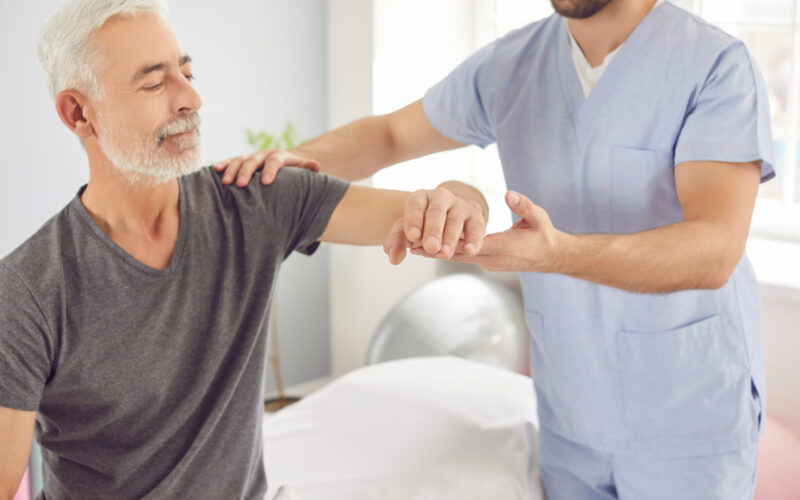
Table of Contents:
- Why Older Adults Need Specialized Rehab
- What Is Post-Surgical Rehab?
- Common Types of Post-Surgical Rehab
- Physical Rehab for Older Adults
- Surgery-Specific Rehab for Seniors
- Why the Right Facility Matters
- When Does Rehab Begin After Surgery?
- The Next Step in Your Care
Recovering from surgery becomes more complex with age. Post-surgical rehabilitation for older adults aims to promote long-term health, lower the risk of complications, and improve daily function. A custom rehab strategy can make all the difference, whether it’s following a spinal operation, joint replacement, or hospitalization due to a fall.
Why Older Adults Need Specialized Rehab
Aging can affect everything from healing time to mobility and energy levels. Older adults often face:
- Reduced muscle mass and flexibility
- Slower wound healing
- Chronic health conditions (arthritis, diabetes, heart disease)
- Higher risk of falls and balance issues
This means rehab for older adults should be designed around these factors with a focus on safe and gradual improvement.
What Is Post-Surgical Rehab?
Post-surgical rehab is a structured recovery plan that begins shortly after surgery. It can include physical therapy, occupational therapy, and medical monitoring. The goal is to:
- Support physical function
- Monitor and help prevent complications like blood clots or infections
- Rebuild strength and mobility
- Support safe return to independent living
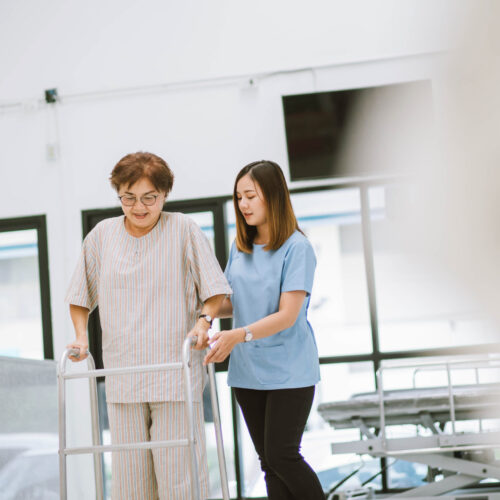
Post-surgical rehab protocols for older adults can include caregiver support, fall-prevention strategies, and mobility aids like walkers or grab bars.
Common Types of Post-Surgical Rehab
Rehabilitation options vary depending on the type of surgery and the patient’s overall health, but one of the most effective formats for many seniors is outpatient rehab. This type of care can involve regular visits to a physical therapy clinic, where trained rehabilitation specialists work closely with the patient.
For people with moderate rehabilitation needs who can travel to and from appointments independently or with family assistance, outpatient rehab is often a good option. Outpatient rehab is both structured and adaptable, seniors can recuperate in the convenience of their own homes in between sessions. For procedures like joint replacement, spinal surgery, or fracture recovery, rehab programs are often customized to follow specific post-surgical protocols.
If you’re searching online for post-surgical rehab facilities near me, especially those that understand the needs of older adults, look for options that offer physical therapy designed for seniors.
Physical Rehab for Older Adults
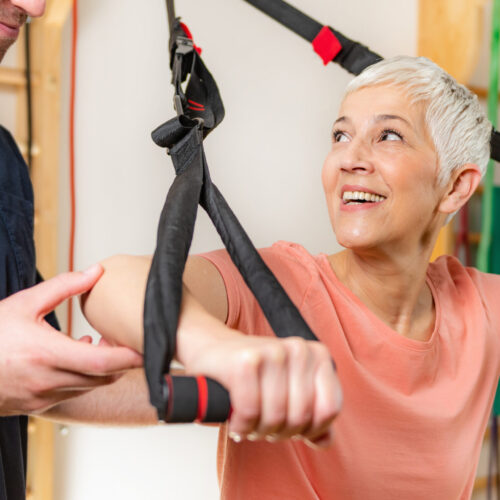
Post-surgical rehab physical therapy aims to gradually improve strength, balance, and range of motion. For older adults, this process includes:
- Adjusting the pace to avoid risk of overexertion
- Monitoring pain levels and fatigue closely
- Emphasizing functional movements (e.g., getting in/out of bed, walking stairs)
- Incorporating fall-prevention strategies tailored to the home or facility environment
Therapists may also educate family members or caregivers on how to safely support the exercises.
Surgery-Specific Rehab for Seniors
Recovery needs vary based on the type of surgery. Here’s how rehab is typically modified for seniors:
Joint Replacement (Hip or Knee)
- Early use of assistive devices like walkers used early
- Physical therapy focused on helping with strength and balance
- Gradual practice with Stairs and bed transfers
Spinal Surgery
- Emphasis on posture and core support
- Modified activity and lifting guidelines
- Ongoing monitoring for changes in symptoms affecting the nerves
Why the Right Facility Matters
Rehab environments designed for older adults support a safe and more effective recovery. For example, facilities and providers that offer care for older adults often provide:
- Geriatric expertise
- Accessible spaces and equipment
- Coordination with primary care and surgical teams
When Does Rehab Begin After Surgery?
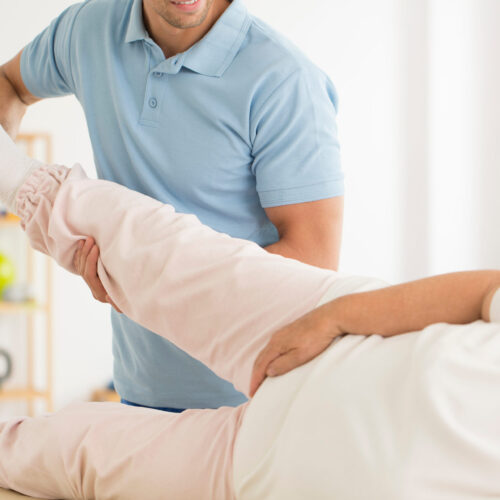
Rehabilitation often starts within 24–48 hours after surgery. Early rehab can help reduce stiffness, prevent complications, and start basic movements again gradually.
Seniors may begin with gentle movements like bed mobility exercises or deep breathing techniques and can slowly progress to walking and more structured therapy as advised by the physical therapist.
The Next Step in Your Care
If you or a loved one is recovering from surgery, planning for rehabilitation as soon as possible can make the transition smoother. Painandinjury.com can connect you with post-surgical rehab providers who understand the unique needs of aging adults. Contact us today to explore post-operative rehab options available in your area.