
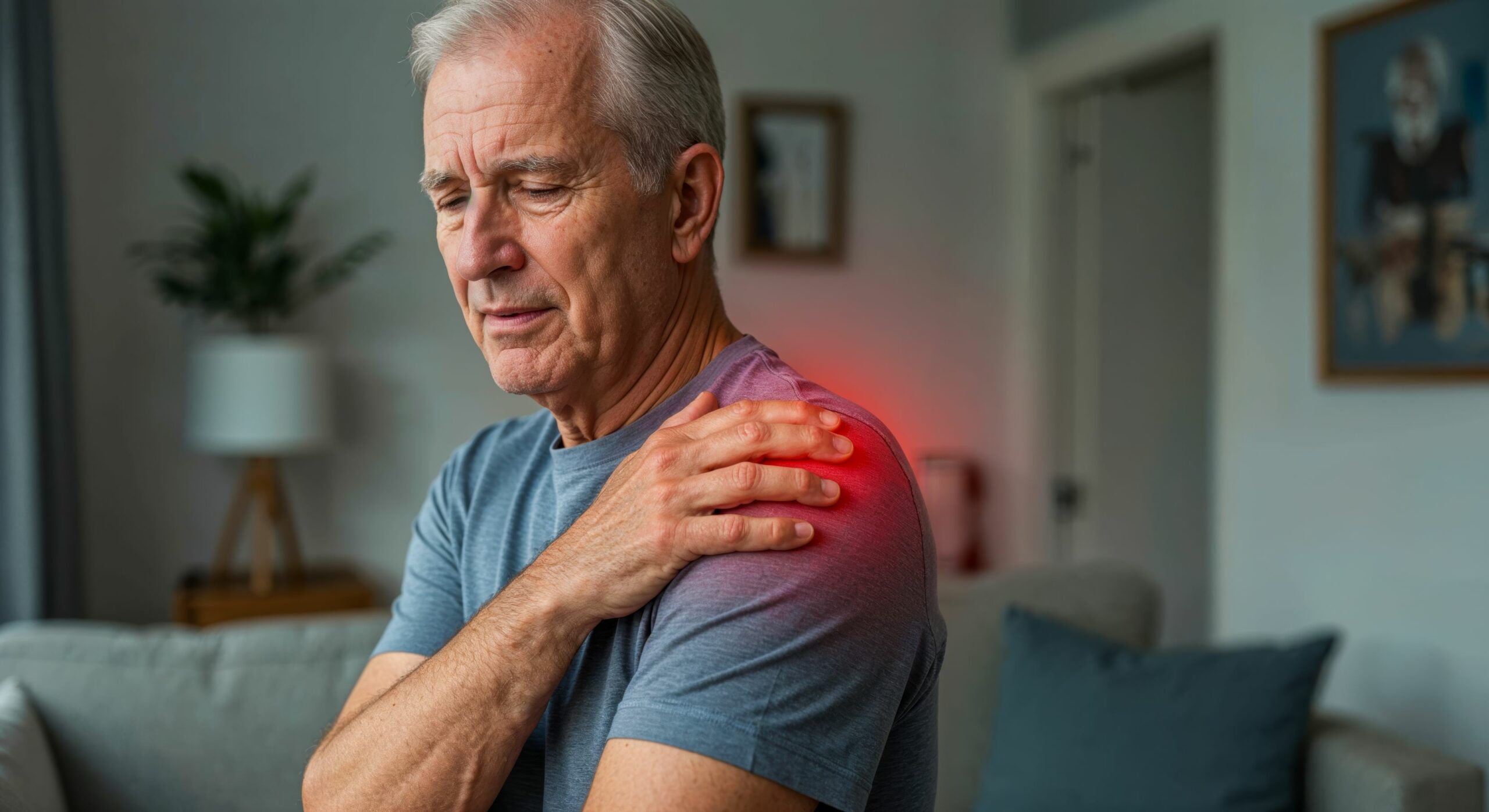
Musculoskeletal Pain Explained: Causes, Symptoms & How to Get Relief

Table of Contents:
- What Is Musculoskeletal Pain?
- Common Causes of Musculoskeletal Pain
- Symptoms to Watch For
- Treatment Options That Work
- Why Choose Musculoskeletal Resources—and When to Seek Help
- Ready to Feel Better?
Musculoskeletal pain is one of the most common types of pain that people experience. However, many don’t realize what’s causing it or how to effectively treat it. For example, have you experienced a sharp pain in your back, aching joints, or sore muscles after an injury? If so, that is considered musculoskeletal conditions that can significantly affect your quality of life. In this post, we’ll explain what musculoskeletal pain is, explore its causes and symptoms, and share expert treatment options that can help you feel better.
What Is Musculoskeletal Pain?
Musculoskeletal pain refers to pain that affects the bones, muscles, ligaments, tendons, and nerves. It can occur in one specific area—like your lower back or neck—or affect multiple areas of the body. Additionally, this type of pain may be acute (sudden and short-term) or chronic (lasting more than three months).
Many adults in the U.S. suffer from a musculoskeletal condition such as arthritis or back pain, making it a leading cause of disability and lost productivity.
According to the National Institute of Neurological Disorders and Stroke (NINDS), pain is a neurological signal designed to alert your body to injury or illness. It can be either:
- Acute pain – often the result of a sudden injury and resolves as the body heals
- Chronic pain – lasting longer than the expected healing period, often without an obvious cause
Understanding these classifications is critical for identifying and treating musculoskeletal pain appropriately. Otherwise, untreated or poorly managed pain can lead to long-term disability, emotional distress, and reduced quality of life.
Common Causes of Musculoskeletal Pain
Musculoskeletal pain can be caused by a variety of factors, including:
- Injury or trauma: Accidents, falls, or sports injuries can strain muscles and ligaments or cause fractures.
- Repetitive motion: Workplace overuse injuries—such as carpal tunnel syndrome or tendonitis—are frequent contributors. According to the CDC’s National Institute for Occupational Safety and Health (NIOSH), these types of injuries can develop when physical tasks exceed the body’s capabilities or involve repetitive tasks and awkward postures over time.
- Poor posture: Long hours of sitting or standing incorrectly can lead to chronic back, neck, or shoulder pain.
- Arthritis: Inflammation of the joints, such as in osteoarthritis or rheumatoid arthritis, can result in persistent discomfort.
- Degenerative conditions: Herniated discs, spinal stenosis, or degenerative joint disease can all lead to chronic musculoskeletal pain.
Symptoms to Watch For
Musculoskeletal pain may vary depending on the underlying cause. However, common symptoms include:
- Aching or stiffness in the joints or muscles
- Sharp or stabbing pain, especially after activity or injury
- Muscle spasms or cramping
- Swelling, redness, or tenderness in the affected area
- Fatigue or sleep disturbances due to chronic pain
If you’re experiencing these symptoms, especially after a car accident, work-related injury, or sudden trauma, then it’s important to see a specialist.

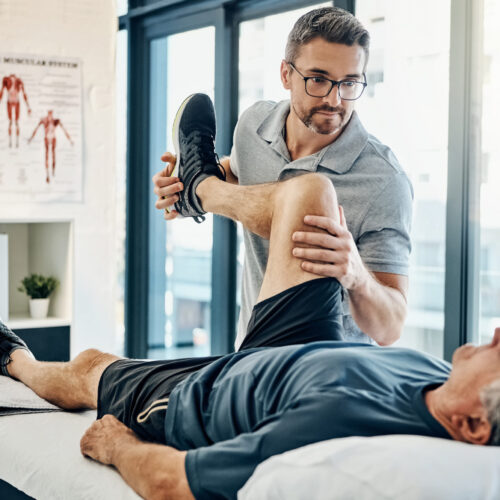
Treatment Options That Work for Musculoskeletal Pain
At MSR Injury Doctors, our network of board-certified injury doctors, orthopedic surgeons, and pain management specialists offers a comprehensive range of treatment options. Specifically:
1. Pain Management: Through the use of injections, nerve blocks and more, these pain management doctors focus on targeted relief that improves function and reduces discomfort.
2. Physical Therapy and Rehabilitation: Customized physical therapy programs help strengthen muscles, improve mobility, and promote healing after injury or surgery.
3. Minimally Invasive Surgery: When needed, the orthopedic specialists perform minimally invasive procedures to support repairing injuries and reduce recovery time.
4. Advanced Imaging and Diagnostics: Early diagnosis is key. Access to MRIs, EMGs, and other diagnostic tools is available at convenient locations in New York, New Jersey, and Connecticut.
Why Choose Musculoskeletal Resources—and When to Seek Help
At MSR Injury Doctors, we make expert injury care easy and accessible. With many locations across New York, New Jersey, and Connecticut, quality care is always just around the corner. If you’ve been injured in a car accident, slip and fall, or at work, our network of injury doctors offers care focused on restoring function.
We offer:
- Convenient access to top-rated specialists near you
- Insurance-friendly options, including No-Fault, Workers’ Compensation, and PIP plans
- Compassionate, experienced network who walk you through every step of your recovery
- Simple scheduling—just one call or click connects you to expert care
Our team offers specialized administrative assistance to make the insurance claim process easier. We help manage medical records, ensuring HIPAA-compliant, thorough reports are prepared for your claim.
Not sure if you need to see a doctor? Don’t wait if you’re experiencing:
- Persistent or worsening musculoskeletal pain
- Injury-related pain after a motor vehicle accident or slip and fall
- Numbness, tingling, or weakness in your limbs
- Difficulty moving or completing daily activities
Importantly, early diagnosis and treatment are key to preventing further damage and promoting long-term recovery. Therefore, if you’re in pain, don’t delay seeking treatment.
Ready to Feel Better?
Musculoskeletal pain can be frustrating—but you don’t have to manage it alone. At MSR Injury Doctor, our network of providers specialize in comprehensive, compassionate care to treat pain and injuries so you can feel like yourself again.
If you’re searching for a back pain doctor, spine specialist, pain management expert, and more, we’re here to help.
Contact us today to take the first step toward recovery. Relief is just around the corner.