

Botox Injections as a Treatment Option for Chronic Pain

Table of Contents:
- How Botox Injections Work in Pain Management
- Conditions Where Botox Injections Are Being Studied
- Side Effects and Safety Considerations
- Integrating Botox Injection Therapy into a Treatment Plan
- Are You Considering Botox for Pain Management?
- FAQs About Botox
Chronic pain can take a toll on anyone, whether you are an athlete, an active professional, or someone dealing with the everyday wear and tear of life. Injuries to bones, joints, muscles, tendons, ligaments, or nerves may trigger pain that lingers long after the initial event. For some individuals, this discomfort can escalate into chronic pain that interferes with movement, work performance, and overall quality of life.
Traditional approaches to pain management include physical therapy, medications, and in some cases, surgery. In recent years, researchers and specialists have been exploring the role of Botox injections as a potential option that may be considered for certain chronic conditions. While many people know Botox for its cosmetic uses, it also has medical applications that are being studied and used in some treatment settings.
How Botox Injections Work in Pain Management
Botulinum toxin, commonly known as Botox, works by blocking the release of a chemical messenger called acetylcholine, which is responsible for triggering muscle contractions. When injected in small, controlled doses, Botox temporarily relaxes overactive or tight muscles.
For pain management, this mechanism may help:
- Reduce muscle spasms that may contribute to discomfort
- Improve mobility in affected areas
- Decrease muscle tension that may place stress on joints
- Support rehabilitation when paired with physical therapy
The procedure is minimally invasive and usually performed in an outpatient setting by a trained specialist. Patients are often able to return to their regular daily activities shortly after treatment.
Conditions Where Botox Injections Are Being Studied
Although Botox was first introduced in medicine for eye muscle disorders, its use has expanded into pain management. Ongoing research and clinical practice have explored Botox as a potential option for certain types of musculoskeletal and nerve-related conditions. Below are some of the areas currently being studied:
1. Chronic Back Pain
Chronic low back pain is one of the most common reasons people seek medical care. In some studies, patients getting Botox injections for back pain reported temporary relief from muscle tightness and noted improvements in lumbar movement. While not a universal solution, Botox injections for chronic back pain are being studied and may be considered as part of multimodal treatment strategies.
2. Neck and Shoulder Pain
Muscle spasms in the neck and shoulders can cause stiffness and discomfort. Some patients have participated in studies or clinical use of Botox injections for neck pain or Botox injections for neck shoulder pain as a way to reduce tension in these regions. By relaxing muscles, Botox may help support posture and mobility, especially when combined with stretching and therapy.
3. Hip and Knee Pain
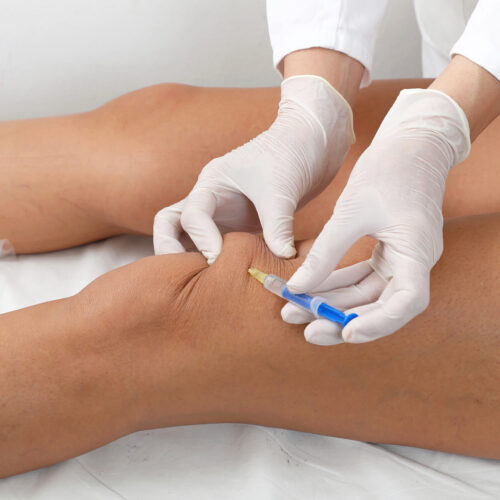
Some studies have investigated the use of Botox injection for knee pain and Botox injections for hip pain in individuals with joint-related discomfort. By reducing muscle overactivity around these joints, Botox may provide supportive benefits when other treatments have not provided adequate relief for some patients.

Side Effects and Safety Considerations
While Botox is generally well tolerated, side effects are possible and can vary depending on the site of injection and the individual’s health history. Common side effects may include:
- Mild pain or swelling at the injection site
- Temporary muscle weakness in the treated area
- Localized bruising
- Headache or fatigue in some cases
There have also been reports of Botox injections for back pain side effects, Botox injections for muscle pain side effects, and Botox injections for nerve pain side effects. These highlight the importance of discussing risks and benefits with a qualified specialist who can determine if the procedure may be appropriate in individual cases.
Integrating Botox Injection Therapy into a Treatment Plan
It is important to emphasize that Botox injection therapy is not a stand-alone solution for chronic pain. Instead, it may serve as one potential component of a comprehensive plan that could also include:
- Physical therapy to restore mobility and strength
- Exercise programs to improve flexibility and reduce strain
- Lifestyle changes such as posture correction and ergonomic adjustments
- Other non-surgical therapies tailored to the individual
The potential for best outcomes may be seen when Botox is combined with these supportive measures under the guidance of a pain management specialist.
Are You Considering Botox for Pain Management?
Botox injections for pain relief represent a growing area of interest in pain management. From back pain to neck and shoulder pain and even certain types of joint-related discomfort, Botox is being studied as a potential supportive option in carefully selected cases.
Because every patient’s condition is unique, the decision to pursue Botox injections should always involve a thorough consultation with a trained physician. By understanding the potential benefits and side effects, patients can make informed decisions about whether Botox injection therapy may fit into their overall pain management strategy.
Take the next step toward addressing your symptoms
MSR Injury Doctors can connect you with a trusted team of non-surgical experts who can evaluate your needs and recommend appropriate options that may help support mobility and function.
Call today at 800-949-6100 or click here to request an appointment with a local non-surgical back or neck pain specialist.
Frequently Asked Questions
Relief, when achieved, is typically temporary, lasting anywhere from a few weeks to a few months. Follow-up treatments may be considered in some cases if the initial response is positive.
Most patients describe the injections as a quick pinch with minimal discomfort. The procedure is usually performed in an outpatient setting and does not require a hospital stay.
Individuals with certain neurological conditions, allergies to Botox ingredients, or infections at the planned injection site may not be candidates. A consultation with a specialist is the most appropriate way to determine eligibility.
No. Botox should not be seen as a replacement but rather as a possible supportive addition to a broader treatment plan that may include therapy, exercise, or other interventions.