

Common Office Injuries Eligible for Workers’ Compensation
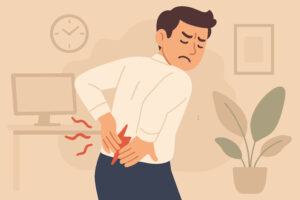
It’s easy to assume that working in an office or cubicle is safe compared to physically demanding jobs like construction or heavy machinery But here’s the reality: serious injuries can still happen in an office environment—and many of them may qualify for workers’ compensation.
Injuries That Often Lead to Workers’ Compensation Claims
Even in a desk-based workplace, employees face risks that can result in legitimate claims. Some of the most common include:
-
Slips, Trips, and Falls – wet floors, loose carpeting, cluttered hallways, or poor lighting can all lead to back, neck, or head injuries.
-
Repetitive Strain Injuries (RSIs) – conditions such as carpal tunnel syndrome, trigger finger, or tendonitis caused by long hours of typing, mouse use, or poor ergonomics.
-
Lifting and Carrying Injuries – even moving office supplies, boxes, or equipment can result in back strains, herniated discs, or shoulder injuries.
-
Falling Objects – items falling from shelves or cabinets can cause injuries to the head, arms, feet, or shoulders.
Why These Injuries Matter
According to the Centers for Disease Control and Prevention (CDC), falls are the leading cause of disabling office injuries. In fact, office workers are 2 to 2.5 times more likely to suffer a disabling fall compared to non-office workers.
Repetitive strain injuries, on the other hand, often develop slowly but can become chronic without proper treatment—making workers’ compensation benefits crucial for covering medical care and recovery time.
Taking Action After a Work Injury
If you’ve been injured at work—whether from a fall, repetitive strain, or lifting accident—you may be entitled to workers’ compensation benefits to cover treatment and lost wages. A board-certified physician who understands work-related injuries can evaluate your condition, document restrictions, and help guide your recovery.
This blog is for educational purposes only and does not guarantee eligibility for workers’ compensation benefits. Each case is reviewed individually according to New York State Workers’ Compensation Board rules. Pain and Injury connects patients with board-certified physicians in New York, New Jersey, and Connecticut.