
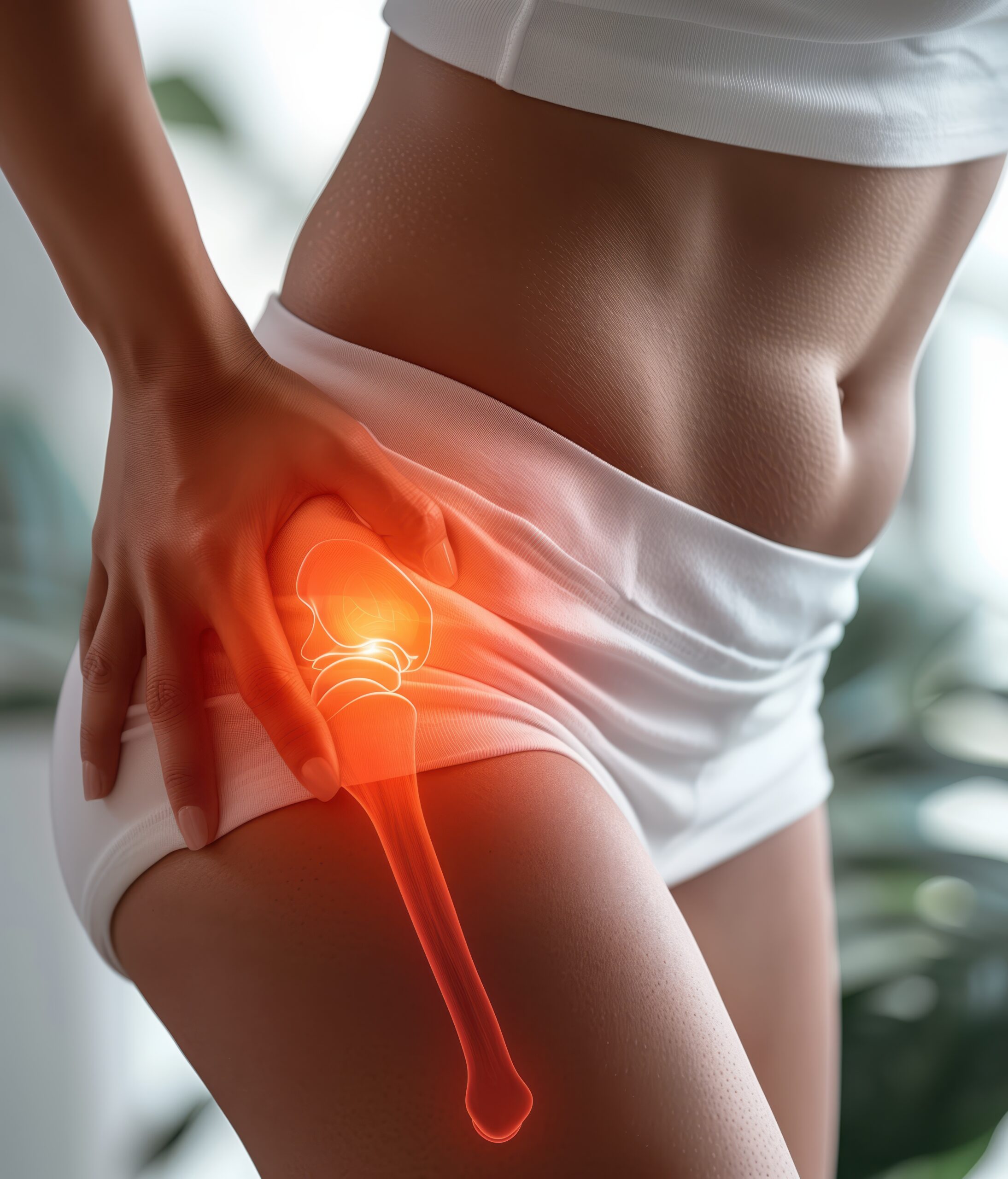
Understanding Musculoskeletal Pain: Causes, Types, and Treatment
Musculoskeletal pain is one of the most common reasons people visit a doctor. It can range from something as simple as carpal tunnel syndrome from typing all day to more serious injuries, such as back or neck pain after a car accident or a work-related injury.
The musculoskeletal system includes your bones, muscles, joints, tendons, ligaments, and nerves. For the body to function properly, all of these components must work together. When one part is injured or strained, it can cause pain, discomfort, or limited movement.
What Do Pain Specialists Do?
Pain specialists evaluate, diagnose, and help manage musculoskeletal pain and injury. Their focus may include:
-
Identifying the source of pain
-
Recommending rehabilitation or physical therapy
-
Managing chronic conditions like arthritis
-
Supporting recovery after accidents, falls, or workplace injuries
Rehabilitation is often an important part of treatment. Targeted exercises help restore mobility, rebuild strength, and improve function after injury.
Common Types of Musculoskeletal Pain
Musculoskeletal pain can develop from sudden injuries, overuse, or poor posture. Some of the most common types include:
Back pain
The leading cause of musculoskeletal discomfort, often linked to injury, strain, or poor posture.
Bone pain
Usually deep, dull, or penetrating; often related to fractures or trauma.
Muscle spasms and cramps
Caused by overuse, loss of blood flow, or autoimmune conditions.
Tendon and ligament injuries
Sprains or strains that worsen with movement.
Fibromyalgia
Widespread pain in muscles, tendons, or ligaments, often paired with fatigue or sleep issues.
Joint pain and arthritis
Stiffness, swelling, and aching that may worsen with activity.
Nerve compression syndromes
Such as carpal tunnel, cubital tunnel, or tarsal tunnel syndrome, often resulting in burning or tingling pain.
Causes of Musculoskeletal Pain

Musculoskeletal pain is commonly linked to:
-
Workplace injuries (fractures, sprains, repetitive stress injuries)
-
Auto accidents and slip-and-fall incidents
-
Repetitive movements or overuse injuries
-
Poor posture or prolonged sitting at work
-
Direct blows to muscles, joints, or bones
Next Steps
Musculoskeletal pain can affect anyone, from office workers to individuals recovering from serious injuries. Early evaluation, accurate diagnosis, and appropriate treatment—such as rehabilitation or therapy—are key to improving function and preventing long-term complications.
This content is for educational purposes only. Pain and Injury connects patients with board-certified physicians in New York, New Jersey, and Connecticut. Patient recovery is not guaranteed, and results may vary for each individual.