
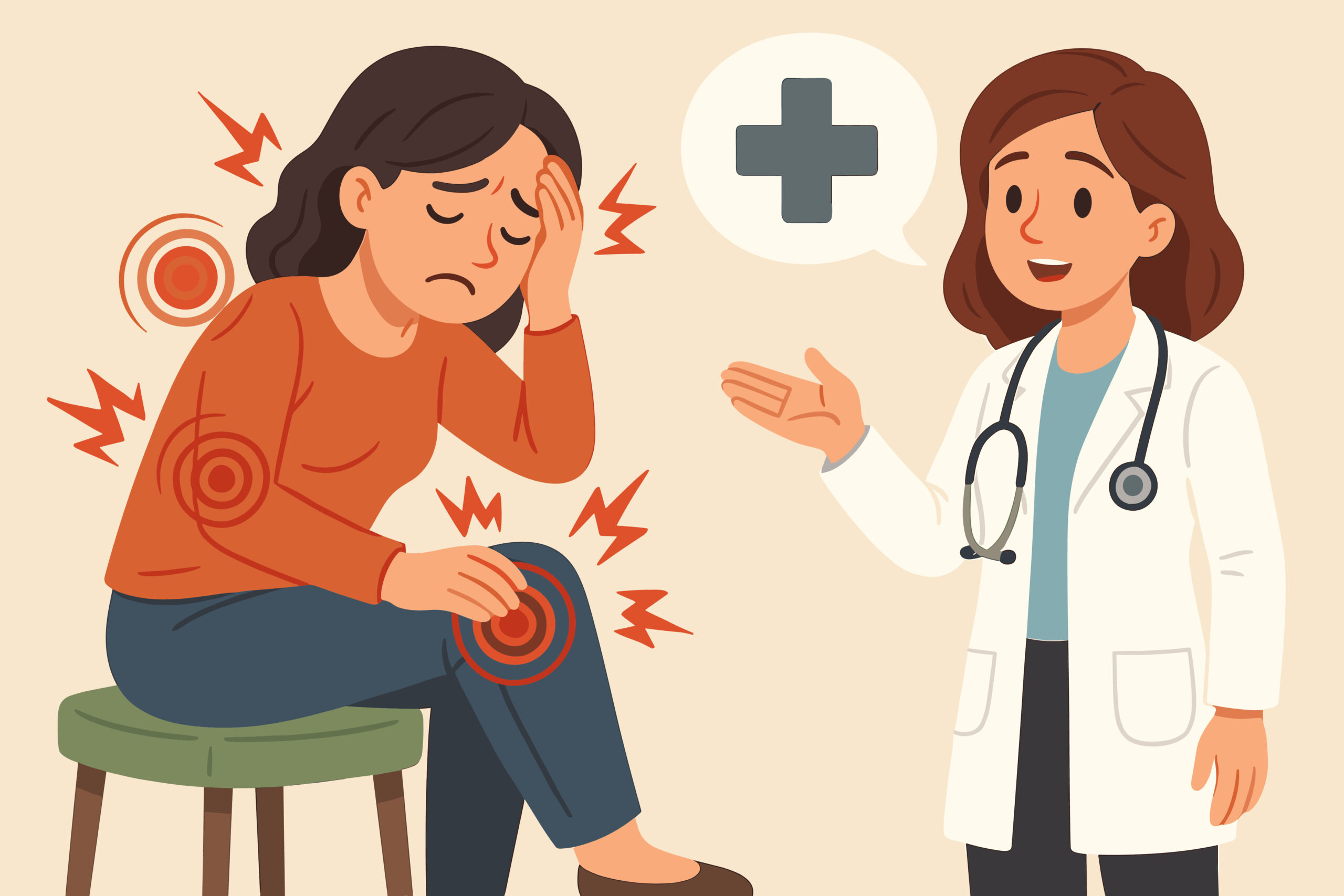
What Are Pain Doctors and How Can They Help You?

Chronic pain affects millions of Americans every year, from back and neck pain to nerve injuries and post-surgical discomfort. Pain doctors—also known as pain management physicians—specialize in diagnosing and treating these conditions, helping patients regain function, improve quality of life, and reduce dependence on medications.
Whether your pain stems from an auto accident, workplace injury, or a chronic condition, seeing a pain specialist ensures you get personalized care tailored to your situation.
What Conditions Do Pain Doctors Treat?
Pain doctors manage a wide range of musculoskeletal, nerve, and joint problems. Common conditions include:
Back and Neck Pain
Herniated discs, sciatica, degenerative disc disease
Arthritis and Joint Pain
Osteoarthritis, post-surgical joint pain
Nerve Injuries
Neuropathy, pinched nerves, complex regional pain syndrome (CRPS)
Workplace and Auto Injuries
Sprains, strains, fractures, whiplash
Post-Surgical Pain
Recovery from orthopedic or spinal procedures
According to research published by the National Institutes of Health (NIH), early intervention with pain specialists can improve functional outcomes and reduce long-term disability.
What Treatments Do Pain Doctors Offer?
Pain management physicians use a combination of non-surgical and interventional treatments to address pain at its source. Treatment may include:
Physical Therapy & Rehabilitation
Strengthens muscles, improves mobility, and reduces pain
Medication Management
Non-opioid and opioid strategies tailored to each patient
Trigger Point and Epidural Injections
Targeted therapy for nerve or muscle-related pain
Radiofrequency Ablation or Nerve Blocks
Minimally invasive procedures for chronic nerve pain
Lifestyle and Activity Modifications
Guidance to prevent future injuries and maintain long-term health
The specific approach depends on the patient’s condition, medical history, and recovery goals. Each patient’s results may vary.
When Should You See a Pain Specialist?
If you experience persistent pain that affects your daily activities, sleep, or ability to work, it may be time to consult a pain doctor. Other signs include:
-
Pain lasting longer than three months despite home remedies or over-the-counter medications
-
Pain following an accident or workplace injury
-
Numbness, tingling, or weakness in the limbs
-
Recurrent headaches or joint pain
Early evaluation by a pain specialist can help identify the underlying cause and prevent further complications.
How to Find Pain Doctors Near You
Finding the right pain doctor is key to effective recovery. Look for:
-
Board-certified physicians in physical medicine, rehabilitation, or pain management
-
Providers who offer both diagnostic evaluation and interventional treatments
-
Clinics with a multidisciplinary approach, including physical therapy, occupational therapy, and lifestyle guidance
If you’ve been searching for “pain specialists near me,” our network at Pain and Injury connects patients with trusted, board-certified pain doctors across New York, New Jersey, and Connecticut.
Next Steps
You don’t have to manage chronic pain alone. Pain doctors at Pain and Injury work with you to develop a personalized, non-surgical treatment plan that fits your lifestyle and recovery goals.
Request an appointment today to explore treatment options and take control of your recovery safely and effectively.
This blog from Pain and Injury is intended for educational purposes only. It is not a substitute for professional medical advice, diagnosis, or treatment. Patient recovery is not guaranteed, and each patient’s results may vary. Always consult a qualified healthcare professional for a personalized care plan.