
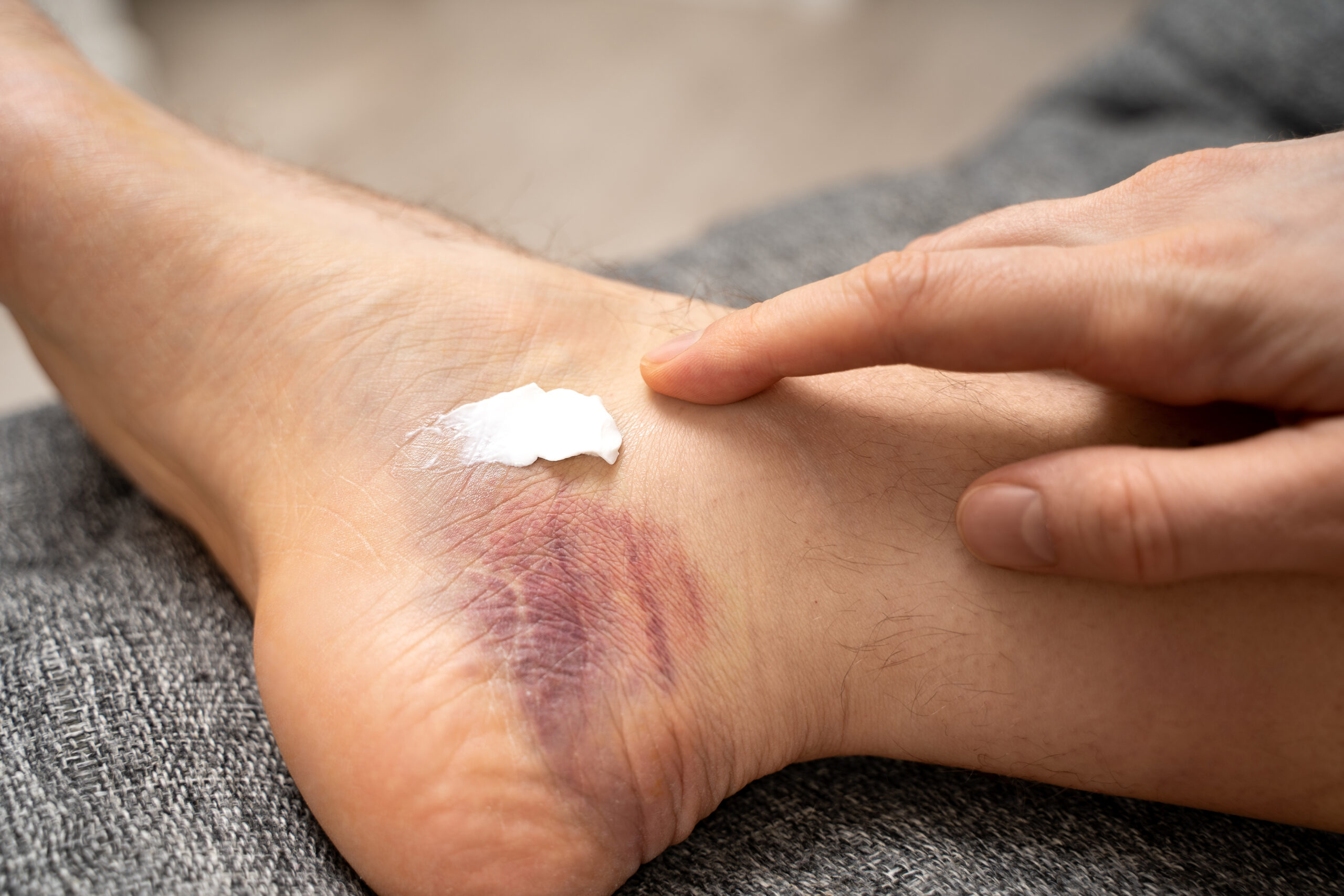
What is a Soft Tissue Injury and How Does it Happen?
A soft tissue injury involves damage to muscles, ligaments, or tendons. These injuries often happen due to trauma, overuse, or sudden movements. Common causes include workplace accidents, sports injuries, motor vehicle accidents, or repetitive stress. Even minor injuries can interfere with daily life, while more severe cases may lead to long-term limitations if left untreated. According to the National Institutes of Health (NIH), early assessment and treatment are crucial (NIH PMC Article).

Signs and Symptoms of a Soft Tissue Injury
Soft tissue injuries typically cause pain, swelling, and tenderness near the affected area. You may notice bruising, limited mobility, or weakness in joints, and in some cases, warmth or redness around the injury. Even seemingly minor injuries, like a mild strain or sprain, can become chronic if ignored.
Types of Soft Tissue Injuries
Soft tissue injuries include strains, which affect muscles or tendons and often occur from overstretching, and sprains, which involve ligaments and are common in knees, ankles, and wrists. Bruising or contusions happen when tissue is damaged from direct impact. Tendonitis is inflammation caused by repetitive motion, and bursitis occurs when the fluid-filled sacs cushioning joints become inflamed.
Diagnosing Soft Tissue Injuries
Diagnosis begins with a detailed medical history and physical examination to assess pain, swelling, and movement. Imaging tests like X-rays or MRIs may be used to rule out fractures or severe tears. Early evaluation by a board-certified pain specialist or physiatrist can help identify the underlying cause and develop an effective treatment plan.
Treatment and Recovery
Treatment depends on the severity of the injury. Rest and activity modification often allow tissues to heal, while physical therapy helps restore strength, flexibility, and function. Ice or heat therapy can reduce inflammation and relieve muscle tension. Medications, such as anti-inflammatories, may be prescribed to manage pain. In more severe cases, injections or minimally invasive procedures can help control inflammation and support recovery (NIH PMC Article).
Recovery is gradual, and patients are encouraged to follow medical guidance closely, including supervised exercise and lifestyle modifications, to regain function and prevent re-injury.
How Can You Prevent Soft Tissue Injuries?
Soft tissue injuries can often be prevented by maintaining proper form during physical activity, gradually increasing exercise intensity, practicing ergonomic techniques at work, and stretching or strengthening muscles regularly. Awareness of your surroundings and using protective gear during activities can also reduce risk.
When Should You See a Pain Specialist?
If pain persists, swelling worsens, or daily activities are affected, consulting a pain specialist is essential. Early intervention can prevent further damage and support a smoother recovery.
Take the Next Step
Living with a soft tissue injury doesn’t mean you have to endure pain alone. A pain specialist can create a treatment plan that works for your body and lifestyle, helping you regain function safely and effectively. MSR Injury Doctors can connect you with a board-certified pain specialist near you who provides non-surgical options, physical therapy guidance, and coordinated care.
This blog from Pain and Injury is intended for educational purposes only. It is not a substitute for professional medical advice, diagnosis, or treatment. Patient recovery is not guaranteed, and each patient’s results may vary. Always consult a qualified healthcare professional for a personalized care plan.