

National Exercise Day: A Simple Reminder That Movement Matters

It starts the same way for many people – you wake up feeling a little stiff. Maybe your schedule is full, or maybe it’s been a while since you’ve felt motivated to move. You tell yourself, “I’ll start exercising tomorrow.”
Created to promote staying active, this day is a reminder to build healthy habits. It encourages simple steps like going for a walk, trying a new workout, or getting at least 30 minutes of movement to support overall health. National Exercise Day isn’t about doing everything at once, it is a reminder that even small moments of movement also count!
Why National Exercise Day Matters More Than You Think
National Exercise Day isn’t about pushing limits or trying something extreme. Instead, it highlights something much simpler—the importance of physical activity in everyday life.
For many people, exercise can feel like something that requires time, energy, or motivation they don’t always have. However, movement doesn’t need to be complicated to be meaningful. Even light activity may support how the body feels day to day. Over time, consistent movement can contribute to flexibility, mobility, and overall physical wellness.
It doesn’t have to be perfect or all at once, what matters is finding a way to keep moving little by little.
How to Exercise Safely (Without Overthinking It)
Starting an exercise routine doesn’t need to feel overwhelming. Keeping things simple can make it easier to get started. It’s common to wonder if you’re doing it “right.” In reality, safe movement often comes down to paying attention and keeping things gradual.
A few simple principles can help guide the process:
- Start with movements that feel comfortable and realistic
- Build gradually rather than doing too much at once
- Focus on how your body feels during and after activity
- Allow time for rest as your routine develops
These habits may help support a more sustainable and comfortable approach to exercise over time.
Choosing Movement That Fits Your Life
Not every form of exercise needs to be high intensity to be effective. Many people find that low impact exercises are easier to stick with, especially in the beginning.
A walk through your neighborhood, a few minutes of stretching in the morning, or gentle range of motion exercises can all be meaningful ways to stay active. These types of movements are often more approachable and may feel less intimidating for those just getting started.
You may also consider focusing on different areas of the body with simple, approachable movements:
- Gentle neck and shoulder stretches to support flexibility
- Light walking or cycling to encourage lower body movement
- Core-focused movements that may help support stability
- Range of motion exercises for joints like the hips and knees
The goal should not be perfection. It’s finding something that fits into your day and feels doable.
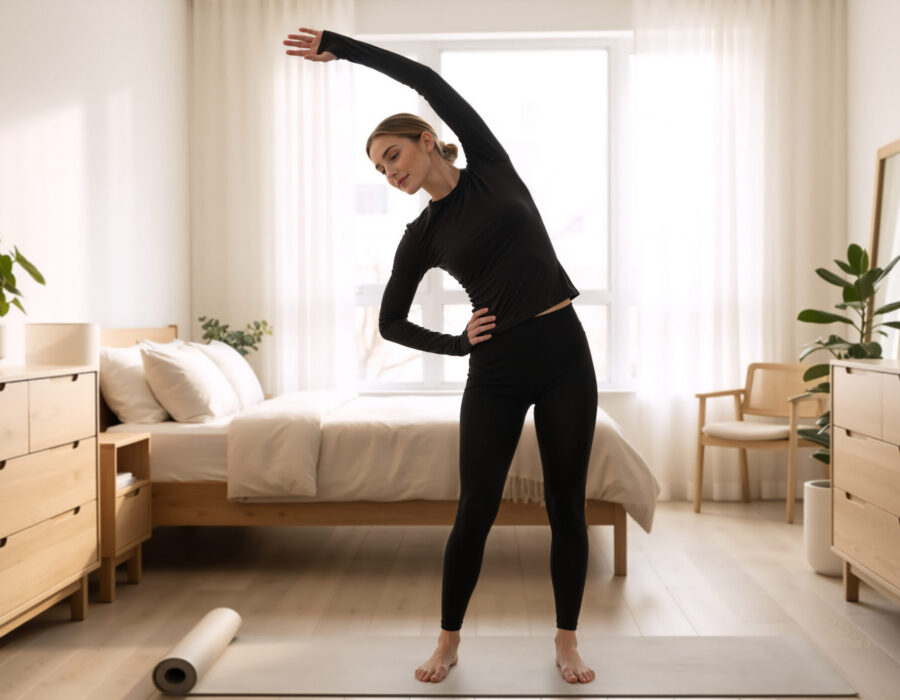
Building a Routine That Lasts
Consistency is often the hardest part of staying active. Many routines start strong but fade because they feel too rigid or demanding.
Instead of aiming for a perfect schedule, it can help to focus on flexibility and small wins:
- Pick a time of day that naturally fits your routine
- Start with a short, manageable amount of movement
- Adjust as needed based on how your body feels
- Keep expectations realistic as you build momentum
Over time, these small efforts can build into a rhythm that feels easier to keep up with.
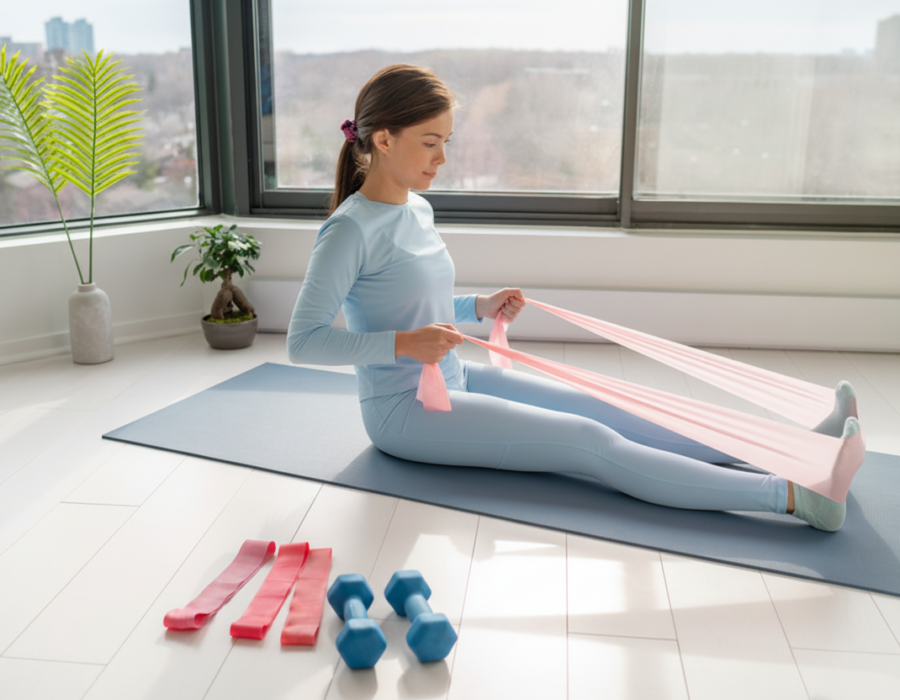
Listening to Your Body Along the Way
As you begin to move more regularly, paying attention to how your body feels can help guide your routine. Some soreness may occur when trying something new, but ongoing discomfort may suggest it’s time to slow down or make adjustments.
Approaching exercise with awareness may help support injury prevention and long-term comfort, including the health of muscles and joints. Small adjustments can make a meaningful difference in how the body responds over time.
For individuals who have experienced an accident or prior injury, this awareness can be especially important. Movement may feel different, and certain activities may require a more gradual return. Paying attention to these signals can help guide safer, more comfortable progress. In some cases, structured support such as physical therapy may be considered to help individuals better understand their movement patterns and return to activity at a manageable pace.
When Movement Feels More Difficult
There are moments when staying active feels more challenging. Whether it’s stiffness, limited mobility, or lingering pain, those experiences can make it harder to stay consistent.
This can be particularly true after an accident, when the body may still be recovering in ways that aren’t always immediately visible. In these situations, movement may need to be approached more carefully and at a pace that feels manageable.
Sometimes, a more personal approach to movement can make it easier to feel comfortable getting active again. Learning more about how your body responds can make it easier to return to regular movement safely.
A Different Way to Think About National Exercise Day
National Exercise Day is an important reminder to prioritize movement but that doesn’t mean it has to feel overwhelming.
Sometimes, it’s simply a reminder to take one small step: a short walk, a stretch, or a moment to move in a way that feels right.
Because in the end, movement isn’t about doing everything perfectly.
It’s about continuing to show up, one day at a time.
Frequently Asked Questions:
What is National Exercise Day?
National Exercise Day is a wellness awareness day that encourages people to prioritize movement and physical activity in their daily lives.
When is National Exercise Day?
This year, National Exercise Day is on Saturday, April 18th, 2026. It serves as a reminder to focus on healthy habits and consistent movement.
What are simple ways to participate in National Exercise Day?
Light activities like walking, stretching, or trying a beginner-friendly routine at home can be accessible ways to take part.
How can I start exercising safely?
Starting gradually, choosing low impact movements, and paying attention to how your body responds may help support a safer experience.
Take the First Step Toward Movement
National Exercise Day can be a simple starting point—a reminder that even small changes can add up over time.
If movement feels uncomfortable or challenging, learning more about your options may help you move forward with greater confidence.
PainandInjury.com connects patients with a network of board-certified providers experienced in evaluating conditions that may affect movement, including those related to accidents or periods of inactivity. A medical evaluation may help identify underlying concerns and provide guidance on safe, appropriate next steps based on individual needs.
To learn more, contact Pain and Injury at 800-949-6100 or request an appointment.