
Why Do My Joints Crack? The Real Cause of Crepitus and Joint Popping
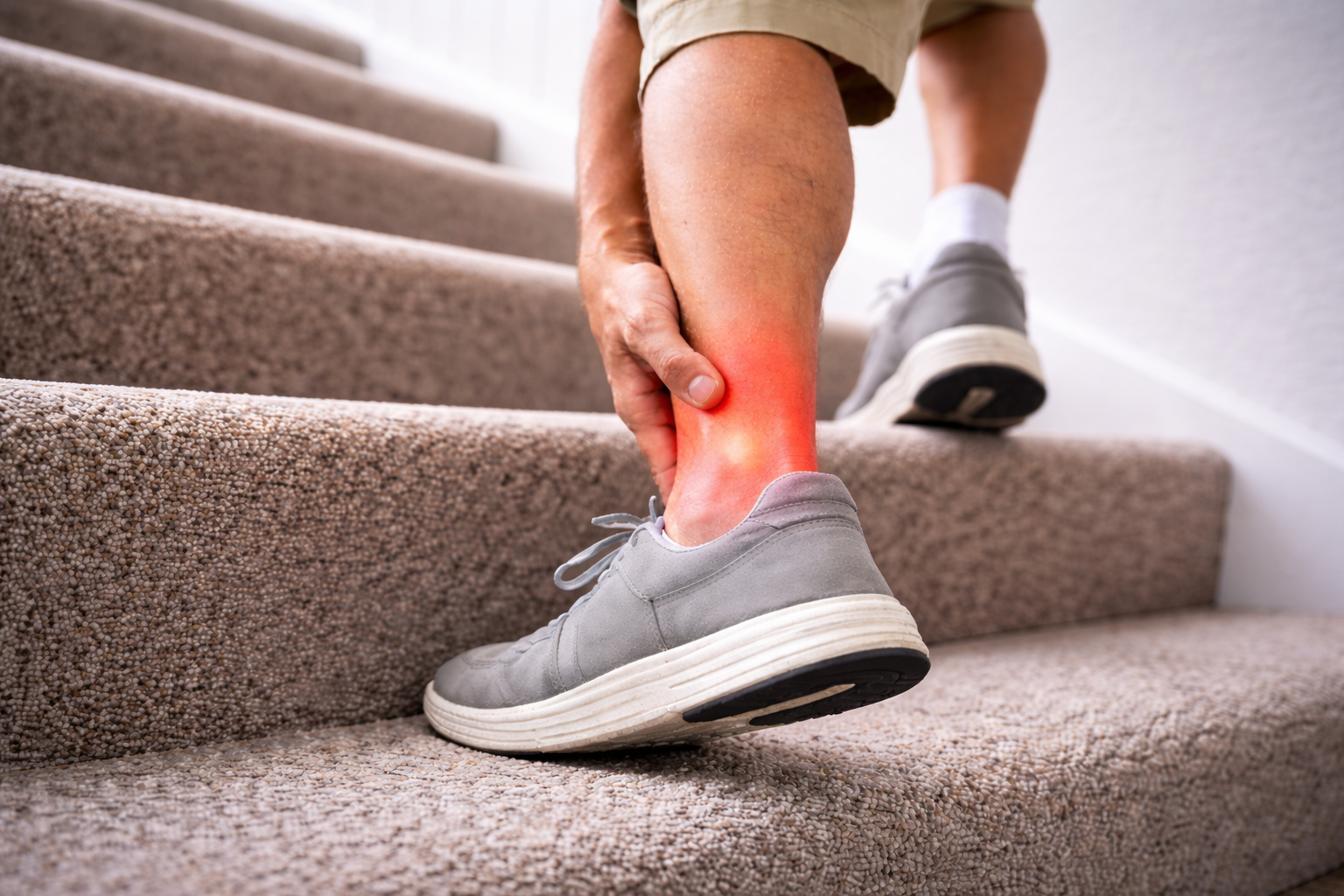
Many people notice popping or cracking sounds during everyday movement and wonder what causes them.
Someone stands up from a chair and hears a small pop from their knee. Another person rotates their ankle after a long day and notices a cracking sound. These moments are common during everyday movement, yet they often raise the same question: why do my joints crack?
This type of sound is often called crepitus, a term used to describe joint popping and cracking during movement.
Joint sounds can be surprising, especially if they appear suddenly or happen frequently. In many cases, joint popping or cracking is a common mechanical event that occurs during normal movement.
What is Crepitus?
Crepitus is the medical term for cracking, popping, grinding, or crunching sounds that happen in a joint during movement. Crepitus occurs in several joints and is most commonly noticed in the knees, ankles, shoulders, and fingers during everyday movement.
One explanation for crepitus involves gas bubbles in joints. Joints contain synovial fluid, which helps lubricate movement between bones. When pressure inside the joint changes, small gas bubbles can form and collapse. This process is called cavitation and can create a popping sound.
In other cases, crepitus of a joint may occur when tissues glide across structures inside the joint, or when cartilage surfaces are not perfectly smooth.
What Causes Joint Popping and Cracking?
Many people wonder “what causes joints popping” because the sensation can feel unusual. In reality, several common factors can contribute.
-
Gas Bubbles in Joints
- Gas bubbles inside the joint are one of the most common causes of painless joint cracking. The sound may occur during stretching, standing, or rotating a joint. If the pop is not associated with pain or swelling, it may simply be a normal mechanical change in joint pressure.
-
Tendons or Ligaments Moving
-
Irritation After Injury
- After a sprain, strain, or impact, swelling and tissue irritation can alter how the joint moves. This can lead to increased joint popping or cracking until the tissues settle.
Does Joint Popping Mean Damage?
A cracking sound alone does not always mean something is wrong.
Many people experience occasional joints cracking throughout their lives without developing joint damage. However, the context around the sound matters.
Symptoms that may suggest evaluation is helpful include:
- Pain during movement
- Swelling around the joint
- Reduced range of motion
- Catching, locking, or instability
These symptoms can sometimes appear after falls, sports injuries, or auto accidents, when soft tissues or cartilage structures are stressed.
Why Does My Knee Pop When I Walk or Stand Up?
Because the knee supports body weight and moves through a large range of motion, it is one of the joints where people most commonly notice crepitus.
When someone asks, “why does my knee pop?” several factors can be involved. The kneecap must glide smoothly across the femur as the knee bends and straightens. If the movement pattern changes — even slightly — it may create popping sensations.
In some situations, knee popping can be associated with:
- Changes in patellar tracking
- Soft tissue movement around the joint
- Mild cartilage irregularities
- Irritation following an injury
If popping begins after trauma or occurs alongside swelling or pain, an evaluation can help determine what may be contributing.

Ankle Cracking: Why It Happens
Ankle cracking is another common experience, particularly when walking, rotating the ankle, or standing after sitting for long periods.
As with other joints, the sound is often related to gas bubbles, tendon movement, or subtle mechanical changes.
However, if ankle cracking appears after a sprain and is accompanied by swelling, pain, or the feeling that the ankle might “give way,” it may be helpful to have the joint assessed.
What Can Help Reduce Joint Cracking?
When joint sounds occur without pain, they often do not require treatment. However, if cracking is paired with discomfort, stiffness, or instability, a clinician may evaluate how the joint is moving and whether irritation or inflammation is present.
Clinicians may evaluate joint stability, muscle strength, and movement patterns to understand what may be contributing to persistent symptoms. Improving strength, flexibility, and movement patterns may support smoother joint mechanics over time.
Frequently Asked Questions
When cracking happens without pain or swelling, it may simply be related to gas bubbles in joints or normal movement of soft tissues around the joint.
As joints age, cartilage surfaces and flexibility may gradually change. These changes may make crepitus more noticeable for some people.
After a sprain, strain, or impact, swelling and tissue irritation can affect how the joint glides, which may lead to increased popping sensations.
If joint crepitus occurs with pain, swelling, locking, catching, or instability, an evaluation may help identify the cause.
Request an Evaluation if Symptoms Persist
If you are experiencing painful crepitus, swelling, or joint instability, or if your symptoms began after an injury, an evaluation may help clarify what may be contributing.
Pain and Injury can connect patients with a network of providers who evaluate accident-related and musculoskeletal conditions.
To learn more, contact Pain and Injury at 800-949-6100 or request an appointment.