
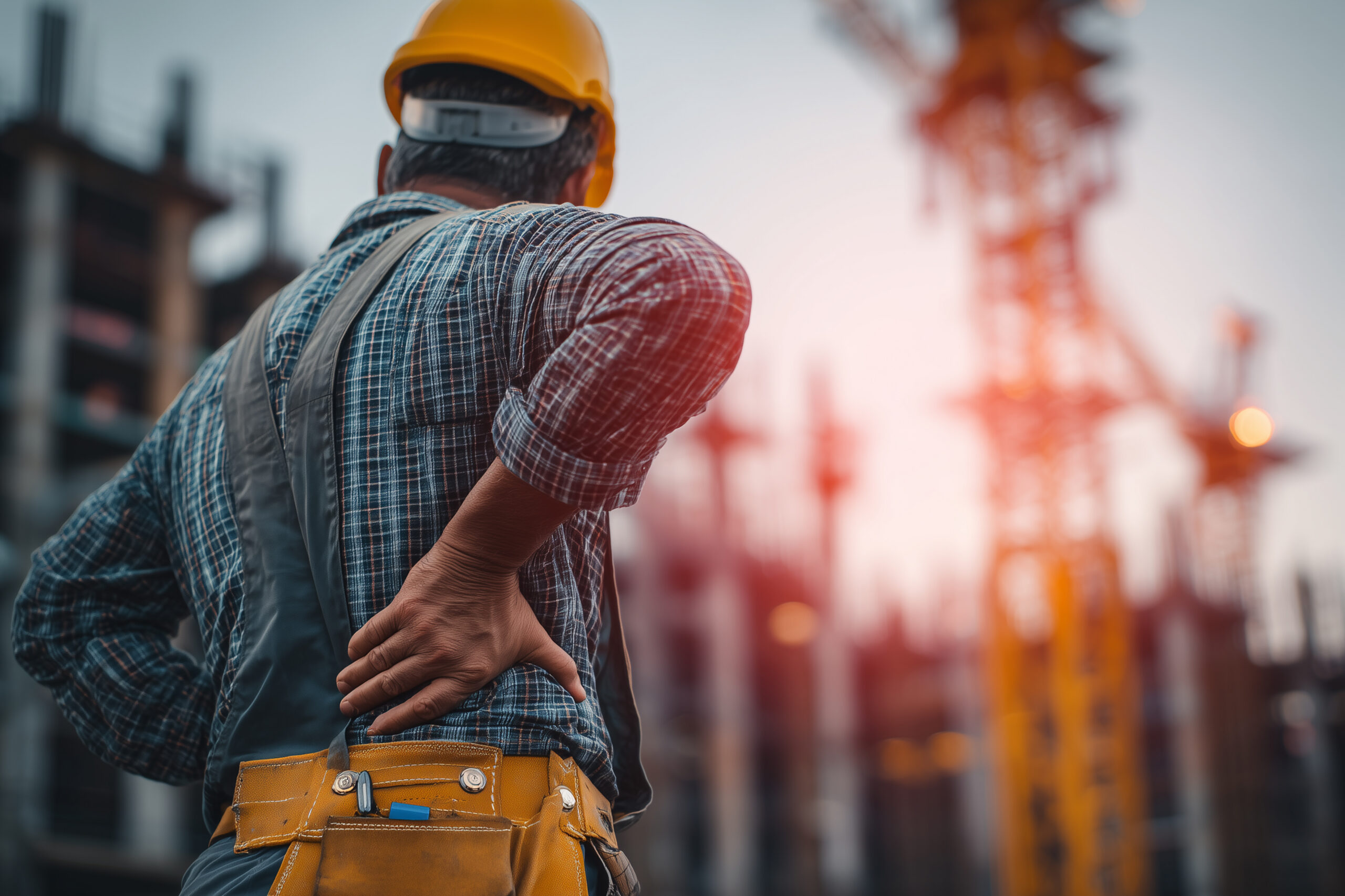
Construction Site Injuries in NYC: Causes, Symptoms, and Next Steps
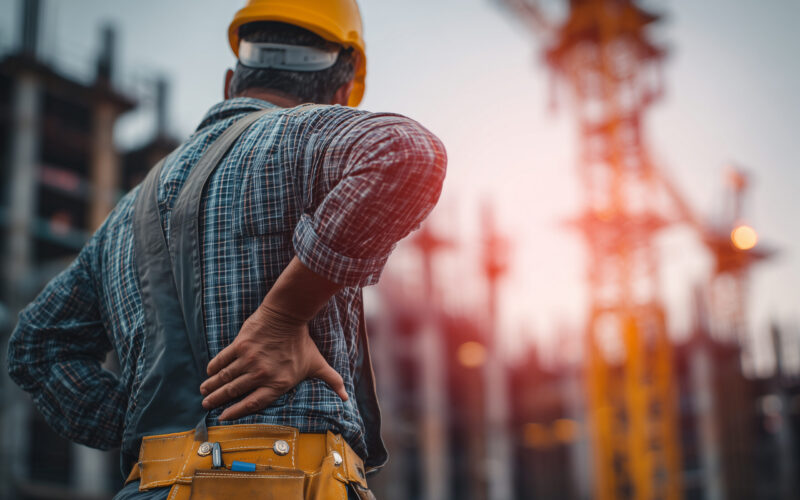
Construction site injuries in NYC account for a significant portion of workplace injuries, particularly in physically demanding and high-risk environments. From falls to equipment-related incidents, job site hazards can affect workers across the city.
In a busy city like New York, construction workplace injuries are a serious concern. Understanding both the most common construction injuries and what steps may help protect your health can support informed decisions after an incident.
Why Construction Site Injuries Are So Common
Construction sites often involve heavy machinery, elevated surfaces, power tools, and busy schedules. According to the U.S. Bureau of Labor Statistics, falls, slips, and trips account for thousands of nonfatal injuries in construction each year. Falls from heights are also recognized as a leading cause of fatal incidents in the industry.
In addition to fall-related incidents, repetitive strain injuries, falling objects, and equipment-related events contribute significantly to injury reports on job sites. Because many tasks require lifting, climbing, bending, or operating tools for extended periods, workers may experience both sudden severe injuries and gradual overuse conditions.
Common Body Areas Affected by Construction Site Injuries
Construction site injuries can affect different parts of the body depending on the type of incident. Some of the most frequently involved areas include:
- Back and spine, often due to lifting, falls, or heavy equipment use
- Shoulders and knees, which may be stressed during climbing or repetitive movement
- Hands and fingers, frequently injured while operating tools or handling materials
- Fractures, which may occur in high-impact incidents
The severity of injury can vary depending on the force involved and whether protective equipment was used. Some injuries cause immediate pain, while others may develop gradually over time.
Steps to Take After a Construction Site Injury
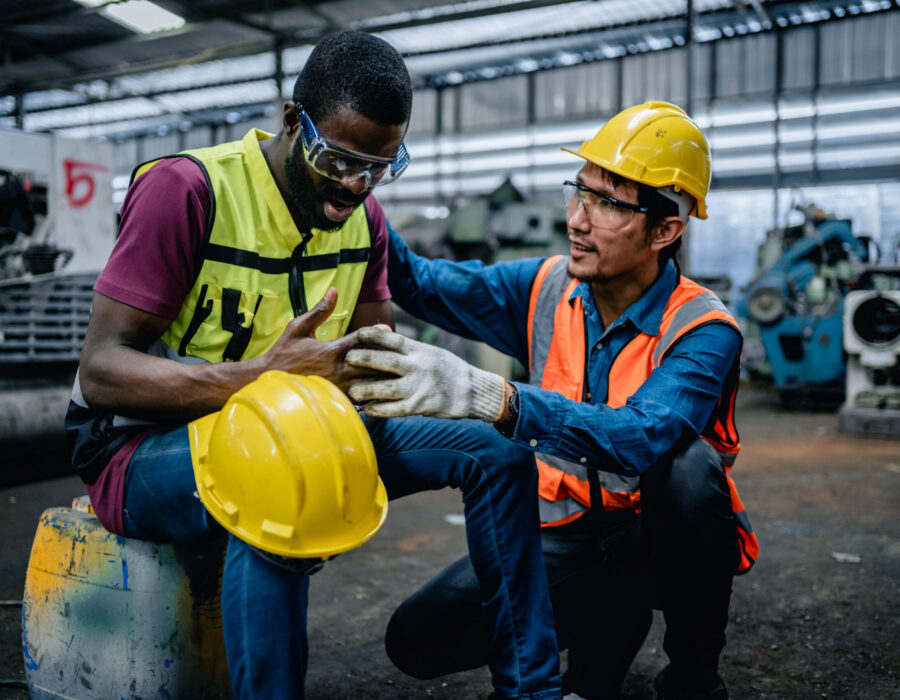
Many construction workers wonder what to do after an injury. Knowing what actions to take after an incident may help protect your health and create a clear record of what happened.
- Report the incident to a supervisor or site manager.
- Document visible injuries and how the accident occurred.
- If symptoms such as pain or difficulty moving develop, getting a prompt medical evaluation can help assess the injury.
- Employers typically provide information about workers’ compensation procedures and available resources. Workers may also consider speaking with a legal professional for guidance about their specific situation.
Understanding how to report construction site injuries properly may also be important for workplace records and potential construction injury claims. Reporting procedures may vary by employer and state regulations.
In New York, most employers are required to carry workers’ compensation insurance for job-related injuries. Construction site injuries that occur while performing work duties may fall under New York workers’ compensation coverage. However, reporting requirements and who qualifies for benefits can vary.
Keeping copies of incident reports, medical records, and related communication may help maintain accurate records if a workers’ compensation review is initiated.
When to See a Construction Injury Doctor in NYC
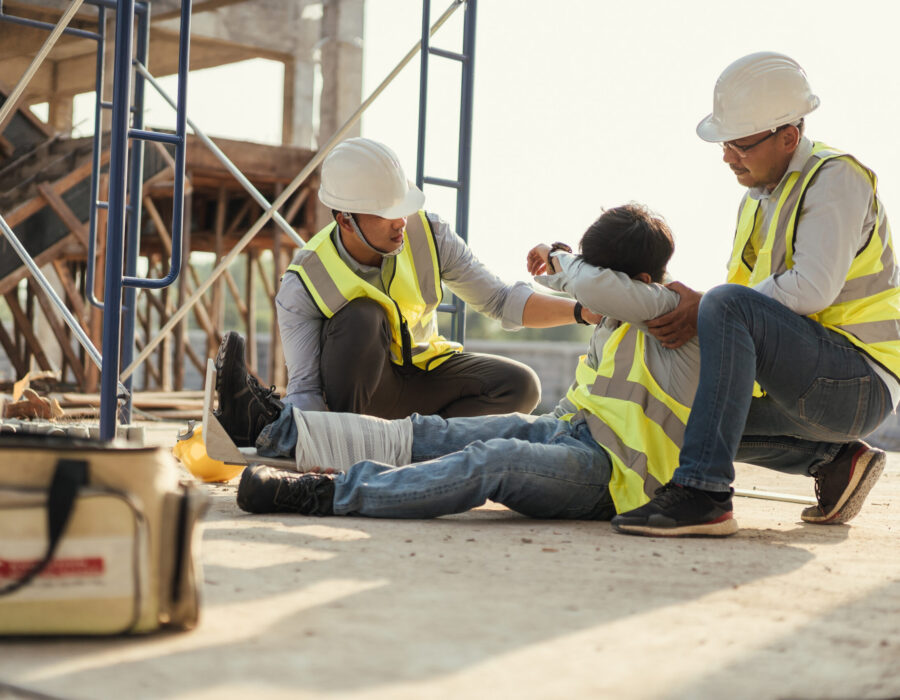
Workers in New York City who experience ongoing pain after a construction injury may consider evaluation at a construction injury clinic in NYC. Symptoms such as ongoing back pain, neck stiffness, joint swelling, numbness, or reduced mobility may be discussed with a physician.
Depending on the nature and severity of the injury, evaluation may involve a physical examination, diagnostic imaging, or referral to appropriate specialists. This may include Physical Medicine and Rehabilitation (PM&R) providers, who evaluate muscle, joint, and nerve-related conditions and focus on functional recovery. Orthopedic specialists can assess bone and structural joint injuries. Physical therapists aim to improve strength, flexibility, and ability to move following musculoskeletal injury. [/vc_column_text]
Construction Injury Prevention on Job Sites
While not all accidents can be avoided, construction injury prevention efforts may reduce risk. Employers often implement safety protocols, protective equipment requirements, and training programs designed to support worker safety.
According to OSHA, proper fall protection and site safety protocols are among the key measures recommended to reduce construction-related injuries.
Even with safety measures in place, construction accidents may still occur. Prompt attention to symptoms may help doctors better understand how serious the injury is.
FAQs About Construction Injuries
Workers should report a construction site injury to a supervisor as soon as possible. Reporting the incident documents the event and allows the employer to start the workplace injury reporting process. Even if symptoms seem minor at first, documenting the incident early can help avoid confusion later.
Some construction injuries do not cause immediate symptoms. Pain, stiffness, or reduced mobility may develop hours or even days after the incident. If symptoms appear after a workplace accident, it is still important to report the incident and seek medical evaluation.
Depending on the state and the workers’ compensation process, injured workers may have options for where they receive medical care. Some states require employers to delegate case managers who will provide approved providers, while other states allow workers to choose doctors of their choice that are able to accept and treat workplace injuries.
Whether a construction worker can continue working after an injury depends on the type and severity of the injury. Some workers may be able to return to the job with modified duties or restrictions, while others may need time away from physically demanding tasks to allow the injury to be evaluated and managed. A medical provider can assess the injury, document any limitations, and help determine when it may be appropriate to return to work activities.
Schedule an Evaluation for Construction Injuries in NYC
Construction injuries can affect mobility, comfort, and daily function. Whether the injury involves the back, neck, hands, or other body parts, professional evaluation may help clarify the extent of physical strain after a construction accident injury.
Pain and Injury connects patients throughout New York City with a network of providers who evaluate muscle pain, joint injuries, and nerve-related symptoms following workplace incidents.
To learn more, contact Pain and Injury at 800-949-6100 or request an appointment.