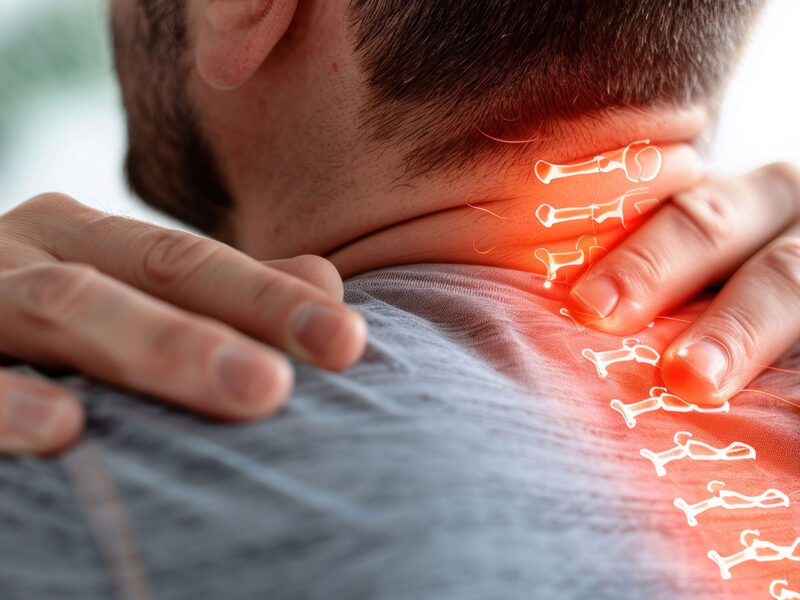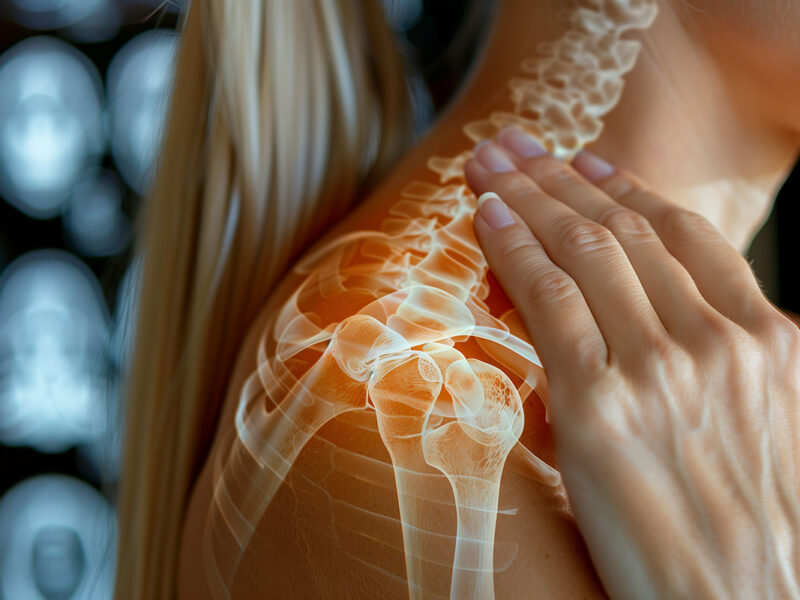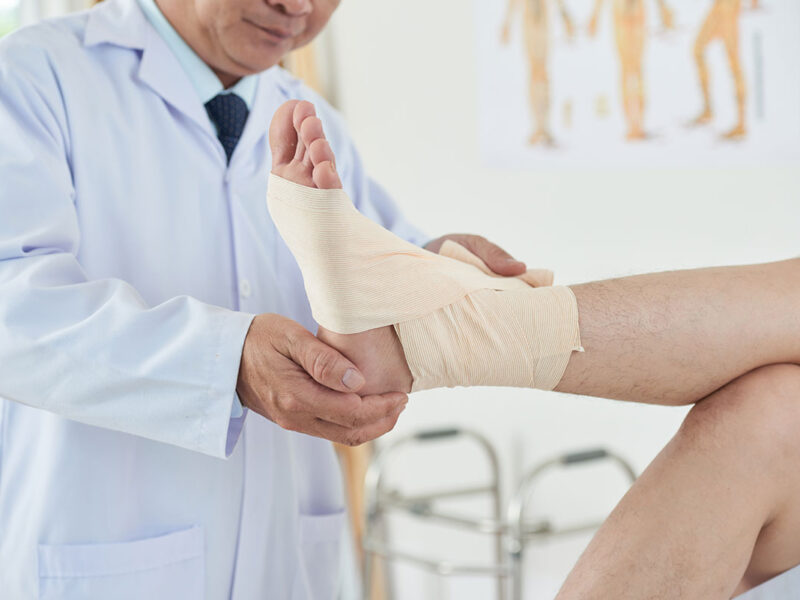

The physicians that Musculoskeletal Resources (MSR) supports work closely with patients, assessing their individual conditions, to decrease pain and restore function without surgery whenever possible. Combined with an experienced, caring office staff that offers assistance with the logistics of your visits, MSR supported physicians provide the highest level of service possible, and make it easy for you to complete your non-surgical treatment program.
Physical Medicine & Rehabilitation Services
The goal of a physiatrist is to restore your optimal health and quality of life. He or she functions as the supervisor of a team of healthcare professionals that includes other medical specialists, physical therapists and occupational therapists. Services available include…
Myofascial Release
- Myofascial Release is a technique used to stretch fascia. Fascia is the interwoven connective tissue that surrounds our muscles and organs, and when we experience physical trauma, scarring or inflammation, the fascia may become tight and restricted causing pain and restriction of motion. This hands-on therapeutic stretching technique helps to reduce pain and restore motion by releasing restriction of the injured fascia and restore its structure.
Ice/Cryotherapy
- Cold packs are applied to the area of pain and inflammation where cold is transferred to the patient's skin, muscle and tissue which reduces the inflammation and decreases pain and swelling.
Hot Packs
- Moist heat packs are used to relax tight muscles causing tissues to relax, which decreases pain caused by muscle tension or spasm, and allows for more effective stretching and mobilization.
Ultrasound
- Ultrasound uses high frequency sound waves that penetrate heat into human tissue deeper than any other heat modality. This deep heat promotes muscle relaxation and circulation while helping to relieve inflammation, muscle spasm and pain.
Electrical Stimulation
- Electrical stimulation uses an electrical current to cause a single muscle or group of muscles to contract which helps relax or strengthen the affected muscle and promotes blood supply to the area which assists in healing.
Traction
- Therapeutic spinal traction uses manual or mechanical tension created by a gentle pulling force to stretch and mobilize the spine to help increase the space between vertebrae and relieve nerve compression, pain and spasm.
Paraffin Bath
- Paraffin is a hot wax, used primarily in hand therapy, that provides soothing moist heat to warm joints, tissue and skin. Paraffin is ideal for the treatment of patients suffering from pain associated with arthritis, strains, sprains, joint stiffness, and it is also used to increase range of motion.
Therapeutic Exercise
- Therapeutic Exercise including: Active Range of Motion (AROM), Active Assistive Range of Motion (A/AROM ), Passive Range of Motion (PROM), Static Stretching, Isometrics/Isotonics, Regressive Resistant Exercises (RRE's), Gait & Balance Exercises.
Trigger Point Injections
- Trigger Point Injection (TPI) is used to treat painful areas of muscle. When muscles do not relax, they tighten or knot causing spasm. These knots/spasms of muscle are called a trigger point, which may irritate the surrounding nerves causing pain to be felt in another part of the body - also known as referred pain. Using a small needle, a local anesthetic is injected into the trigger point, which inactivates the trigger point and alleviates the pain.
Facet Joint Injections
- Facet joints, which are located at the back of the spine, provide stability to the spine and help guide motion. An anesthetic is injected into the facet joint, which numbs the joint and reduces inflammation and/or swelling of the tissue in the joint space.
Prolotherapy
- Prolotherapy, which is also known as non-surgical ligament/tendon reconstruction, is a treatment used for many different types of musculoskeletal pain. When tendon or ligament is stretched, due to a trauma or overuse, it becomes pain sensitive. This type of injection stimulates the tissue to repair itself tightening the stretched ligament or tendon making it stronger.
Epidural Steroid Injections
- Epidural Steroid Injection (ESI) is a common nonsurgical procedure used to treat pain caused by spinal nerve irritation. The ESI delivers a long-lasting steroid medication and a local anesthetic to the epidural space reducing inflammation or swelling of the nerves.
Electrodiagnostic Studies (EMG and NCS)
- Electromyography (EMG) and Nerve Conduction Studies (NCS) are used to study diseases of nerves and muscles by recording the electrical activity of the nerves and muscles, which help physicians arrive at a diagnosis. There are two parts to these studies. Nerve conduction studies will measure the health of the nerve by applying small electrical impulses to the nerves, measuring the speed and intensity of electrical signals that travel along those nerves. During the EMG, a small, thin needle is inserted into specific muscles, one at a time, and visual and auditory information is collected through the electrical signals that travel from the needle to the EMG machine. This test usually takes 30-60 minutes and normal activities can resume after the test.
An MSR-supported physician will use a combination of the above treatments and diagnostic tests to develop a custom treatment plan to address your specific type of pain and injury, with the desired goal of getting you back to your 100% as soon as possible.
A More Comprehensive Approach
Even if you've tried other treatment options in the past without favorable results, give us a minute to explain why it'll be different this time…really.
Individualized Treatment Programs
Physiatrists treat the whole person, not just a condition, so they are better able to meet the specific and unique needs of each patient.
Understanding the Impact of a Diagnosis
Physiatrists look beyond the medical issues to understand the impact to your mobility and activities of daily living.
It's About Personalized Results, Not Cookie-cutter Treatment Plans
Physiatrists understand your desire to return to the life you knew before pain or injury. As a result, all of the physicians who MSR supports will continue your treatment until you achieve your desired results (not simply until you've completed x-number of sessions).
It's Safe
PM&R specialists (physiatrists) are licensed physicians, and MSR only supports physicians who have impeccable reputations, outstanding academic credentials and at least five years of post-residency practice experience - diagnosing and treating injuries to the spine, joints and extremities.
It's Affordable
Because physiatrists treat you and not your symptoms, they can opt for lower cost treatments if necessary. What's more, physicians who MSR supports have knowledgeable staff that can help you understand the full scope of your insurance benefits.